

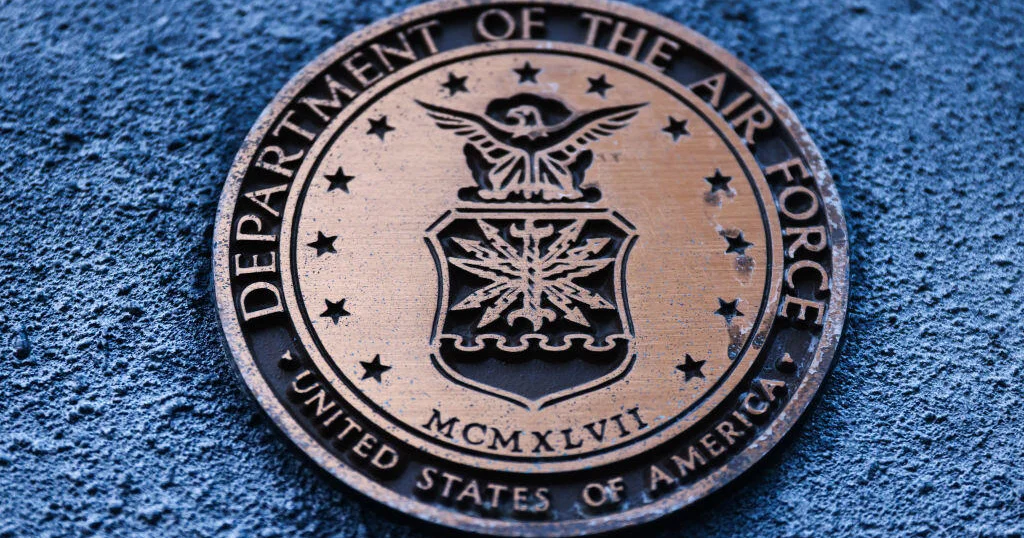

The U.S. Air Force’s cloud computing platform, known as Cloud One, suffered a breach in a recent cyberattack, raising concerns about the security of sensitive military data. This breach, reported by multiple sources, potentially exposed classified personnel information. Officials stated that the issue came to light during system upgrades last month, although the Air Force and the Defense Department have not confirmed specific details pertaining to the breach.
| Article Subheadings |
|---|
| 1) Overview of the Cyberattack |
| 2) Official Responses to the Breach |
| 3) Context of Recent Federal Cybersecurity Incidents |
| 4) Implications for National Security |
| 5) Future Outlook and Response Strategies |
Overview of the Cyberattack
The breach of Cloud One, the flagship cloud platform of the U.S. Air Force, has raised significant alarms regarding the exposure of military and personnel information. Cloud One is integral to the Air Force’s operations, providing essential services such as data management and analytics. The breach was first identified during a routine system upgrade last month, highlighting ongoing vulnerabilities in military cybersecurity frameworks.
Multiple sources specified that the extent of information compromised may involve sensitive military data, although the Air Force has not disclosed specific details. As cyber threats become increasingly sophisticated, this incident underscores the urgent need for enhanced cybersecurity measures across all levels of federal operations.
Official Responses to the Breach
The Air Force has issued a statement, saying it does not provide specifics on the security and operational status of its networks, nor has it confirmed the breach definitively. “Ensuring the security, resilience and availability of our most critical war-fighting assets remains a top priority,” remarked an Air Force spokesperson. This statement reflects the military branch’s commitment to maintaining high cybersecurity standards, even amidst challenges.
The Department of Defense echoed this commitment, asserting that its systems are “safe, secure, and managed 24-7 by the best experts and teams in the world.” Although the officials have not elaborated on the specifics surrounding the breach, they emphasized their focus on safeguarding mission-critical operations and applications.
Leidos, the main contractor that has managed Cloud One since May, did not provide comment on the breach itself but noted its earlier contract worth $454.9 million aimed at modernizing and securing the Air Force’s cloud infrastructure. The firm’s silence on the hack has spurred questions regarding the effectiveness of current cybersecurity measures in place.
Context of Recent Federal Cybersecurity Incidents
This breach comes amid a troubling pattern of cybersecurity incidents affecting various federal agencies, including high-profile entities like the National Security Agency (NSA), the CIA, the FBI, and the Federal Aviation Administration (FAA). The recent series of breaches raises concerns about the vulnerability of federal networks in an increasingly hostile cyber landscape.
Earlier this month, the FAA experienced a nationwide ground stop as a result of a network disruption, causing chaos for countless travelers at U.S. airports. Furthermore, the FBI reported that hackers gained unauthorized access to a sizeable database utilized by law enforcement to access criminal records. Each incident appears to point towards systemic weaknesses across federal cybersecurity protocols.
The NSA was also impacted recently due to a network outage that coincided with vulnerability repairs in the PHP programming language, revealing how vital updates can lead to substantial operational disruptions. In this context, the breach of the Air Force’s Cloud One application demonstrates the urgent need for thorough evaluations and upgrades of federal cybersecurity defenses.
Implications for National Security
The ramifications of these breaches transcend technical inconveniences; they pose real implications for national security. The exposure of sensitive military personnel information can undermine operational security and lead to potential risks for those whose information is compromised. Cybersecurity breaches in governmental systems can also embolden adversarial nations or actors seeking to exploit weaknesses.
As incidents escalate, the risk of espionage, data leaks, and manipulation of military operations grows increasingly significant. Security experts are calling for an urgent reassessment of federal cybersecurity strategies, emphasizing that cyber resilience must be elevated to a national priority to protect critical infrastructure and sensitive information from unauthorized access.
Future Outlook and Response Strategies
Looking ahead, enhancing cybersecurity measures will be crucial for the Air Force and other federal agencies. It is imperative to invest in robust threat detection systems, continuous employee training, and agile response mechanisms capable of addressing emerging threats. This cycle of assessment, training, and adjustment needs to be holistic in scope, encompassing not only technology but also policy and user engagement.
Moreover, collaboration with technology firms, as demonstrated by Leidos’ commitment to modernizing Cloud One, is essential. Tracking emerging trends in cyber attack methodologies and adapting technical solutions to address them can potentially deter future incidents. The integration of innovative solutions such as AI for continuous monitoring and quick response can significantly enhance cybersecurity resilience.
Lastly, to fortify defenses, regular audits of software and systems, combined with the development of comprehensive incident response plans, can equip agencies with the necessary tools to mitigate impacts from potential breaches swiftly.
| No. | Key Points |
|---|---|
| 1 | A cybersecurity breach involving the Air Force’s Cloud One platform may have exposed sensitive military information. |
| 2 | The Air Force has not confirmed the breach’s details, maintaining its focus on security and resilience. |
| 3 | This incident aligns with a wave of breaches affecting other federal agencies, raising serious national security concerns. |
| 4 | Collaboration with tech firms is paramount to modernize federal cybersecurity frameworks. |
| 5 | Investing in advanced threat detection, response measures, and regular audits is crucial for improving cybersecurity resilience. |
Summary
The reported cyberattack on the U.S. Air Force’s Cloud One platform raises critical issues regarding the cybersecurity of sensitive military operations. With multiple federal agencies experiencing breaches recently, the need for reinforced security protocols is apparent. The Air Force’s commitment to safeguarding data, coupled with potential investments in modern cybersecurity frameworks, will be vital as authorities work to prevent such incursions in the future.
Frequently Asked Questions
Question: What is Cloud One?
Cloud One is the United States Air Force’s cloud computing platform that supports various military and operational applications.
Question: Why are cybersecurity breaches concerning for national security?
Cybersecurity breaches can expose sensitive data that may jeopardize military operations and compromise the safety of personnel involved.
Question: How can federal agencies improve their cybersecurity measures?
Agencies can enhance cybersecurity by investing in advanced threat detection technologies, conducting regular audits, and fostering collaboration with private sector tech firms.
