

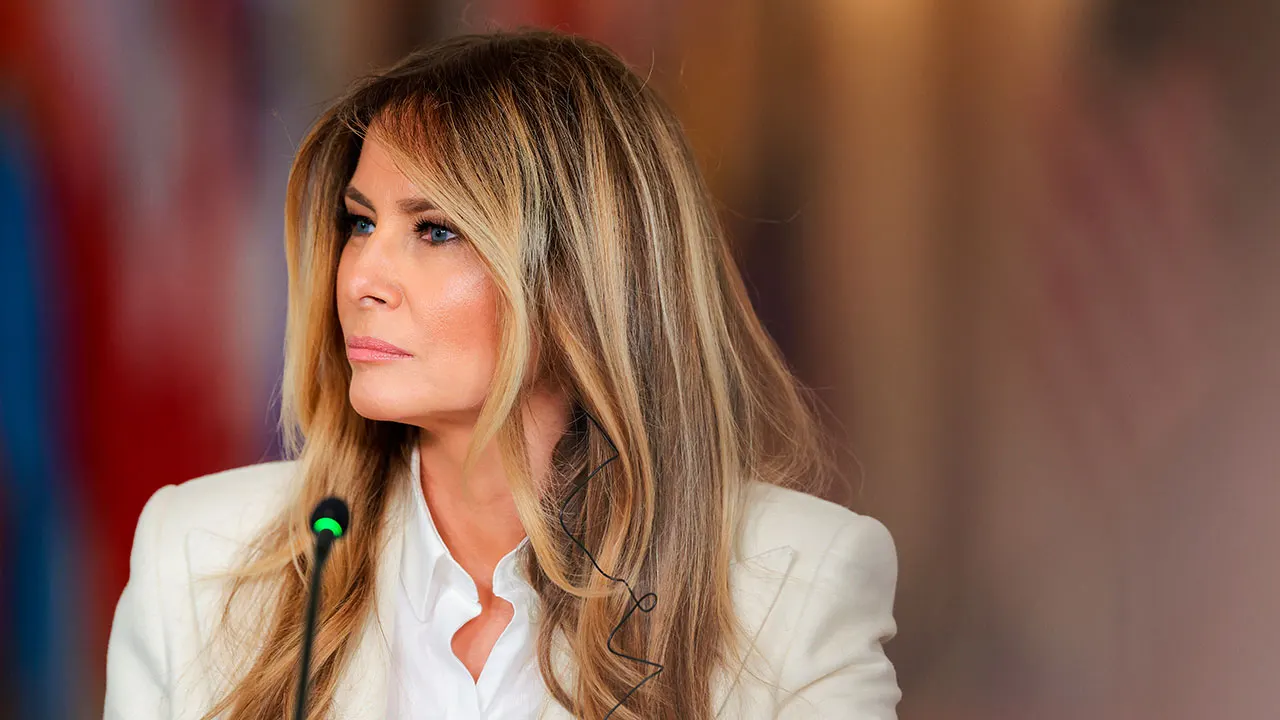

First Lady Melania Trump has called upon 22 Democratic governors to support her initiative, Fostering the Future, which seeks to establish savings accounts aimed at helping children in foster care build financial futures. During her appeal, she emphasized that all Republican governors and only two Democrats have supported the program so far. Highlighting that the financial opportunities for foster children should not be dictated by geography or political affiliation, she reiterated her commitment to ensuring that all state leaders prioritize the welfare of these vulnerable children.
| Article Subheadings |
|---|
| 1) Overview of the Fostering the Future Initiative |
| 2) The Importance of Fostering the Future Accounts |
| 3) Response from Governors and Political Implications |
| 4) Broader Impact on Foster Care and Economic Futures |
| 5) Future Prospects for Foster Children and Initiative Expansion |
Overview of the Fostering the Future Initiative
The Fostering the Future initiative was initially introduced by Melania Trump as part of her Be Best campaign in 2021. Originally functioning as a scholarship program targeted toward enhancing educational opportunities for children in foster care, it has significantly evolved since then. In 2025, the initiative transformed into a broader federal and global effort to better connect childhood education with innovative technologies, such as artificial intelligence and robotics. This shift reflects an understanding of the changing landscape of education and how it can be utilized to empower the next generation.
In September 2025, First Lady Trump announced the establishment of a global coalition focused on these ambitions, aiming to integrate modern technological advancements into the educational framework available to children worldwide. This grand vision underlines her commitment to fostering an environment where every child, irrespective of their background, has access to the resources necessary for a successful future.
The Importance of Fostering the Future Accounts
At the crux of the Fostering the Future initiative is the creation of Fostering the Future Accounts, which was unveiled by Melania Trump in June. This program is designed to allow states to create federally backed, tax-advantaged custodial accounts specifically for children in foster care. These accounts are an innovative solution intended to empower foster children by giving them a substantial financial advantage when they transition into adulthood.
Unlike typical financial systems that may not prioritize the needs of disadvantaged demographics, Fostering the Future Accounts aim to assure that every child in foster care can enter the adult world with assets that encourage long-term wealth building. The account will mature into traditional Individual Retirement Accounts (IRAs) once the child turns 18, opening avenues for substantial financial security and stability.
According to Trump, the accounts provide a level playing field for foster children, enabling them to access the same possibilities for asset ownership as their peers. “By investing in our foster youth now, we help strengthen America’s workforce, communities, and economic future,” she underscored during the account launch. This assertion highlights a dual focus on individual financial growth and broader societal benefits.
Response from Governors and Political Implications
Despite the promising nature of the initiative, the political landscape surrounding it has seen mixed responses. As it stands, all 26 Republican governors have pledged their support, while notable Democratic governors such as Josh Green of Hawaii and Jared Polis of Colorado have standing commitments. However, the remaining 22 Democratic governors have yet to endorse the plan, prompting Trump to issue an urgent appeal for bipartisan cooperation.
In her recent social media address, she insisted that “a foster child’s financial future should never depend on geography or politics,” arguing that it is crucial for all state officials to prioritize the wellbeing of children in the foster care system over party lines. This sentiment underscores a broader concern regarding the politicization of social welfare programs, as well as the relevance of collective responsibility in safeguarding vulnerable populations.
Broader Impact on Foster Care and Economic Futures
The implications of the Fostering the Future initiative extend far beyond immediate financial education; they encapsulate a comprehensive strategy to transform the foster care system. By adapting the framework to integrate partnerships across various agencies and communities, the initiative seeks not only to improve the lives of foster youth but also to encourage a systemic overhaul of how foster systems are operated and managed.
While the promise of financial accounts is significant, the long-term success of this initiative will largely depend on comprehensive outreach, robust federal support, and a commitment from states to implement these systems effectively. As advocates point out, the integration of workforces, welfare facilities, and educational institutions will be essential in creating a nurturing ecosystem for foster children. With successful collaboration, we can potentially see a transformed landscape for America’s youth.
Future Prospects for Foster Children and Initiative Expansion
Looking ahead, there are opportunities for the initiative to expand its reach further. If the remaining states come on board, substantial developments could be made that positively impact the lives of foster youth nationwide. The expectation is that the gradual institutionalization of the accounts at state levels will pave the way for future reforms in the fostering systems and will inspire similar initiatives nationwide.
Moreover, as the Fostering the Future initiative continues to evolve, it may lead to more comprehensive policies that address associated challenges faced by foster children, such as mental health needs, education accessibility, and employment opportunities. Ultimately, the collective efforts of government agencies, private sectors, and community organizations could reshape the trajectory for countless foster children and amplify their chances for healthier, more prosperous futures.
| No. | Key Points |
|---|---|
| 1 | First Lady Melania Trump calls for bipartisan support for the Fostering the Future initiative. |
| 2 | The initiative aims to provide savings accounts for foster children to enhance their financial futures. |
| 3 | All Republican governors have pledged support, while only two Democrats have followed suit. |
| 4 | Fostering the Future Accounts convert into traditional IRAs when the children reach adulthood. |
| 5 | The initiative seeks to modernize the foster care system and ensure equitable opportunities for all children. |
Summary
The Fostering the Future initiative, spearheaded by First Lady Melania Trump, is an ambitious effort to create financial accounts for children in foster care, allowing them access to resources that can vastly improve their financial literacy and future prosperity. The call for support from governors indicates potential hurdles in bipartisan approval but also underscores the necessity for all political leaders to collaborate for the welfare of foster youth. By expanding financial support systems and modernizing welfare policies, the initiative has the potential to reshape the experiences of foster children, ultimately contributing to the enrichment of society as a whole.
Frequently Asked Questions
Question: What is the Fostering the Future initiative?
The Fostering the Future initiative is a program introduced by First Lady Melania Trump aimed at creating financial savings accounts for children in foster care, providing them with asset ownership opportunities that enhance their financial futures.
Question: How do Fostering the Future Accounts work?
Fostering the Future Accounts are tax-advantaged custodial accounts set up for children in foster care, which will convert into traditional IRAs when the child turns 18, helping them to build wealth and achieve financial stability.
Question: What impact does this initiative seek to achieve?
The initiative aims to provide equal financial opportunities for foster children, encouraging asset ownership and long-term wealth building, and seeks to modernize the foster care system through collaborative efforts across government and community sectors.
