

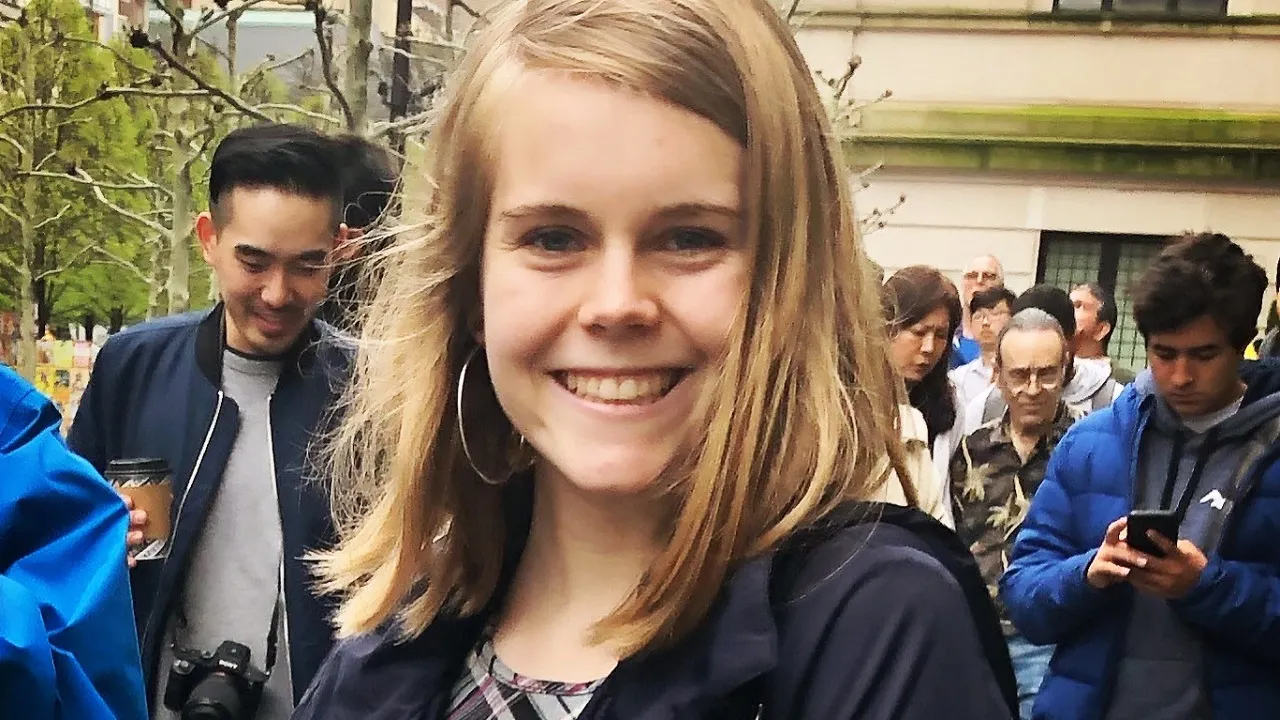

In a significant development regarding the high-profile case of Tessa Majors, a Barnard College freshman murdered in December 2019, one of the convicted teenagers, Luchiano Lewis, has been released on conditional parole supervision after serving fewer than seven years in prison. Lewis, now 21, was granted conditional release on October 14, 2023. His release comes in the wake of his earlier convictions for second-degree murder and first-degree robbery related to Majors’ tragic death near Morningside Park in New York City.
| Article Subheadings |
|---|
| 1) Background of the Case |
| 2) Details of the Crime |
| 3) Sentencing and Legal Outcomes |
| 4) Impact on Victim’s Family |
| 5) Current Status of Other Involved Parties |
Background of the Case
The case of Tessa Majors, an 18-year-old freshman at Barnard College, attracted national media attention when it unfolded in December 2019. Her violent death shook the community of New York City and raised crucial discussions surrounding youth violence and safety in urban areas. At the time of the incident, Majors was described as a gifted artist and a dedicated student, whose promising future was tragically cut short. The circumstances surrounding her murder led to quick public outcry and calls for justice, emphasizing the urgent need for discussions about crime and youth behavior in the city.
Details of the Crime
On December 11, 2019, Tessa Majors was attacked in Morningside Park, a well-known location near her college. Prosecutors reported that a group of teenagers approached Majors with ill intentions to rob her. During the confrontation, Majors was stabbed multiple times while resisting the robbery. Witnesses noted that she managed to climb the stairs to reach the street but collapsed due to her injuries. Despite being rushed to the hospital, Majors succumbed to her wounds shortly after arrival. This harrowing incident led to the arrests of three teenagers, including Lewis, who faced serious charges related to the crime.
Sentencing and Legal Outcomes
After being tried as adults, Luchiano Lewis was sentenced to nine years to life following his guilty plea in 2021 to charges of second-degree murder and first-degree robbery. He was not the one wielding the knife, but prosecutors maintained that he played a significant role in the attack. The court’s decision reflected the gravity of the crime and its impact on the community. Remarks made by Manhattan Supreme Court Justice Robert Mandelbaum during sentencing highlighted the broader implications of such violence, stating that “the killing tore at the fabric of the entire city.” The combination of Lewis’ youth and the nature of the crime presented a complex situation for the legal system.
Impact on Victim’s Family
The profound impact of Tessa Majors’ murder was clearly felt by her family, who spoke about the loss during the sentencing of Lewis. They described her as a multi-talented individual with a bright future in music and literature. Majors’ parents expressed their grief and frustration, emphasizing that no sentence could bring back the life of their beloved daughter. Their pain reflects the ongoing trauma experienced by families of victims of violent crimes, a troubling reality that extends beyond individual cases to the societal need for safety and justice.
Current Status of Other Involved Parties
In addition to Lewis, two other teenagers were involved in the attack on Tessa Majors. Rashaun Weaver, who was 14 at the time, is currently serving a sentence of 14 years to life for murder and robbery. On the other hand, the third individual, Zyairr Davis, who was just 13 when the attack took place, pleaded guilty to robbery. Davis was sentenced to 18 months in juvenile detention but has since completed his sentence. He is now facing unrelated charges for an attempted murder case, which further complicates the ongoing narrative of youth crime in urban environments.
| No. | Key Points |
|---|---|
| 1 | Luchiano Lewis has been released on conditional parole after serving fewer than seven years for his involvement in Tessa Majors’ murder. |
| 2 | Majors was attacked during an attempted robbery in Morningside Park on December 11, 2019. |
| 3 | Lewis was sentenced to a minimum of nine years to life after his guilty plea. |
| 4 | The impact of Majors’ death has been a point of discussion concerning youth violence in urban settings. |
| 5 | Other teenagers involved in the crime, including Weaver and Davis, face different legal outcomes, with Weaver serving a longer sentence. |
Summary
The case of Tessa Majors remains a poignant reminder of the challenges posed by youth violence and its lasting implications on families and communities. The release of Luchiano Lewis on conditional parole has reignited discussions about justice and rehabilitation for young offenders, as well as the societal obligations to prevent similar tragedies. The ongoing legal situations of the other involved parties further illustrate the complexities of the juvenile justice system, which seeks to balance accountability with the potential for reform.
Frequently Asked Questions
Question: Who was Tessa Majors?
Tessa Majors was an 18-year-old freshman at Barnard College who was tragically murdered during an attempted robbery in December 2019.
Question: What was Luchiano Lewis convicted of?
Luchiano Lewis was convicted of second-degree murder and first-degree robbery in connection with the killing of Tessa Majors.
Question: What is the status of the other teenagers involved in Tessa Majors’ murder?
Rashaun Weaver is serving a sentence of 14 years to life, while Zyairr Davis completed his juvenile sentence and is currently held on unrelated charges.
