

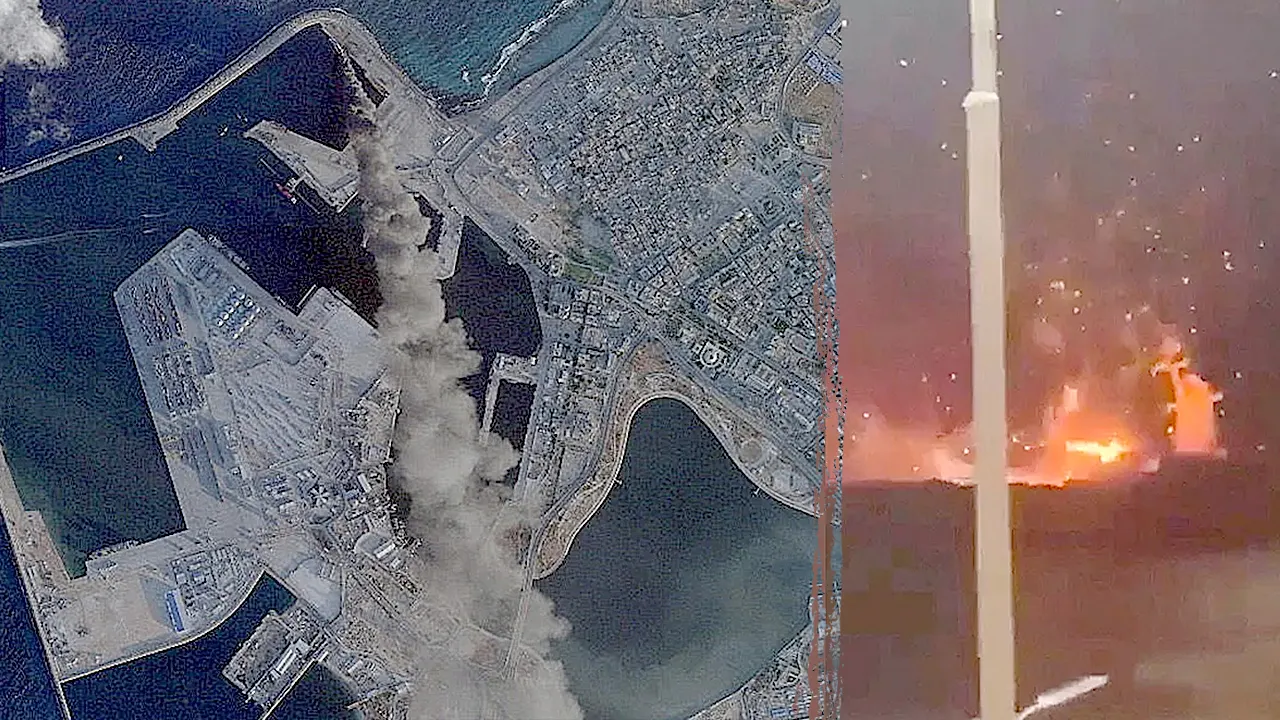

In a dramatic escalation of the ongoing conflict between Ukraine and Russia, a series of drone strikes were carried out on Russian naval assets in Libya over the weekend. Ukrainian sea drones targeted the Russian warship Merkury docked at the Benghazi Naval Base, leading to catastrophic damage and casualties. Simultaneously, a commercial vessel was also hit, further igniting international concerns regarding military activities in the region. The incident underscores the evolving dynamics of naval warfare and geopolitical tensions involving multiple nations.
| Article Subheadings |
|---|
| 1) Overview of the Drone Attacks |
| 2) The Warship Attack: Details and Aftermath |
| 3) Impact on Civilian and Commercial Vessels |
| 4) Reactions from Libyan Authorities |
| 5) Broader Implications for Regional Security |
Overview of the Drone Attacks
In a significant escalation of maritime hostilities, Ukraine launched a series of drone strikes against Russian naval assets in Libya, highlighting the ongoing military engagement and the innovative tactics being employed in modern warfare. This operation involved at least two separate incidents on the same day, demonstrating Ukraine’s capability and willingness to extend its operations beyond traditional combat zones. Specifically, the attacks targeted the Russian warship Merkury, which was docked for resupply at the Benghazi Naval Base.
The assault was marked by the use of explosive-laden sea drones, a tactic that has become increasingly favored in asymmetric warfare, allowing smaller forces to execute impactful strikes against larger naval ships without direct confrontation. The timing of these attacks coincides with Ukraine’s strategic goal to weaken Russian maritime power and disrupt supply lines in the Mediterranean and surrounding regions.
The Warship Attack: Details and Aftermath
The Russian corvette Merkury was reportedly struck by multiple explosive drones, resulting in the vessel capsizing at its mooring. Eyewitness accounts and satellite imagery indicate that after the attack, much of the warship was submerged, leaving only its bow visible above the waterline. As a consequence of the strike, at least ten individuals, consisting of both Russian and Libyan nationals, suffered minor injuries and required medical attention.
Military officials from Libya confirmed that their naval forces intercepted several other drones during the incident, preventing further damage. However, the actual response from the Russian fleet remains unclear, as the Kremlin has yet to issue a comprehensive statement regarding the attack or the status of its naval operations in Libya. Reports suggest that the Merkury was in Benghazi for routine refueling and resupply as part of a maritime cooperation agreement with the Libyan government.
Impact on Civilian and Commercial Vessels
In a related incident, shortly after the attack on the Merkury, a Maltese-flagged commercial vessel was also targeted by a drone. Reports indicate that the Libyan naval forces promptly intervened to rescue the crew, managing to recover those onboard with only minor injuries reported. This attack raises concerns regarding civilian maritime operations in the region and the risks posed by military activities in close proximity to commercial shipping lanes.
The targeting of commercial vessels amidst military operations reflects a troubling trend in modern warfare, where civilian lives and assets become collateral damage. Such incidents can have significant implications for international maritime trade and could lead to broader economic repercussions if shipping routes become deemed unsafe. The maritime community is closely monitoring these developments as the situation evolves.
Reactions from Libyan Authorities
In the aftermath of these attacks, Libyan officials have called for an international investigation into the circumstances surrounding the drone strikes, raising questions about the implications of Ukraine’s military operations in Libya. Prime Minister Osama Hamad expressed concerns over the potential involvement of foreign military experts and demanded clarity regarding their presence and operations.
Hamad’s government, which is based in eastern Libya, is reportedly seeking assistance from the United Nations to conduct a thorough examination of the drone attacks. The Libyan administration has made it clear that they do not wish to be drawn into the conflict between Ukraine and Russia, stating emphatically that Libyan territory should not be utilized for foreign military objectives.
Broader Implications for Regional Security
The attacks not only signify an escalation in the Ukraine-Russia conflict but also have broader security implications for the Mediterranean region. Libya, already facing its own internal struggles since the fall of Moammar Gadhafi in 2011, could become a focal point for international tensions should foreign powers increasingly utilize its ports and naval facilities for military purposes.
The eastern-based Libyan government, supported by various factions, has strong ties with Russia, complicating the dynamics in the region further. The potential for foreign military influence and operations in Libya raises concerns among neighboring countries and international organizations regarding the stability of North Africa and its vital maritime routes.
| No. | Key Points |
|---|---|
| 1 | Ukraine launched a series of drone attacks on Russian naval assets in Libya. |
| 2 | The Russian corvette Merkury was significantly damaged after being struck by explosive sea drones. |
| 3 | A separate drone strike targeted a commercial vessel, prompting rescue operations. |
| 4 | Libyan authorities have called for an international investigation into the drone strikes. |
| 5 | The incident raises concerns about maritime security and the potential escalation of military tensions in the region. |
Summary
The drone attacks on Russian naval assets in Libya mark a significant moment in the intersection of global conflicts, underscoring the evolving nature of warfare where drone strikes are increasingly adopted as a tactical choice. With an array of geopolitical ramifications including calls for international investigations and potential disruptions to maritime security, the situation remains fluid and warrants close observation. The connectivity between Libya’s civil strife and the broader conflict between Russia and Ukraine illustrates the far-reaching effects of regional instability, raising complex questions about involvement, control, and the future course of events in both the Mediterranean and beyond.
Frequently Asked Questions
Question: What caused the drone attacks in Libya?
The drone attacks were initiated by Ukraine as part of their ongoing conflict with Russia, with a focus on disrupting Russian naval operations in the Mediterranean.
Question: What was the target of the drone strikes?
The primary target of the strikes was the Russian corvette Merkury, which was damaged at the Benghazi Naval Base. A separate commercial vessel was also struck in subsequent attacks.
Question: How have Libyan authorities responded to the incidents?
Libyan authorities have requested an international investigation into the drone attacks and are examining the issue of potential foreign military presence in their territory.
