

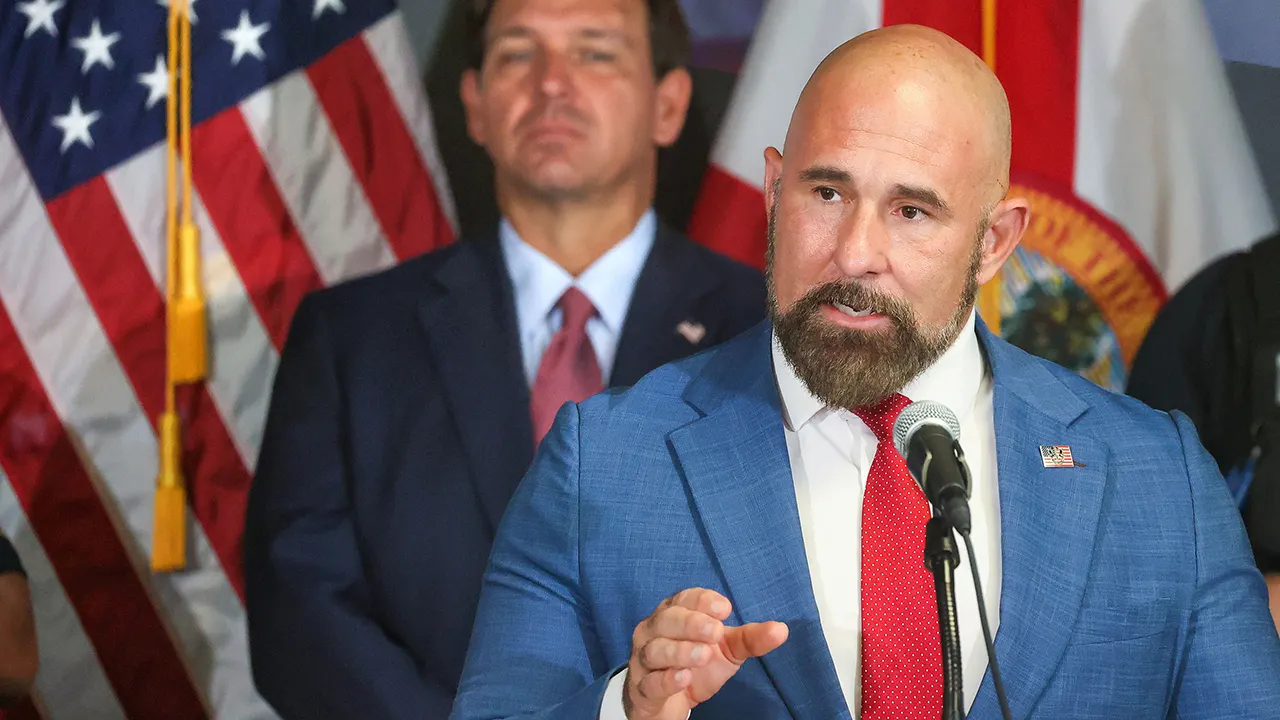

In a recent interview, Florida’s Lieutenant Governor, Jay Collins, shared his thoughts on the future of the Republican Party following a challenging midterm election cycle. Collins, known for his military background and resilience, emphasized the need for party members to regroup and refocus on their core conservative principles. He likened the current situation of the GOP to a battle, calling on fellow Republicans to rise, learn from their mistakes, and take actionable steps to restore their position nationally.
| Article Subheadings |
|---|
| 1) Collins’ Call to Arms |
| 2) Florida as a Model |
| 3) The Importance of Communication |
| 4) Unity and the Future |
| 5) Reflections on Leadership |
Collins’ Call to Arms
Following what some termed a “bloodbath” for the Republican Party in the recent midterm elections, Jay Collins has stepped forward with a bold message for party members. He suggests that the time has come to embrace the challenges faced as an opportunity for growth. “This can be a definitive death blow if we allow it to be, but I believe in what we stand for,” Collins stated, referring to the necessity of resilience within the party. He underscored the importance of sticking to conservative values while simultaneously advocating for strategic adjustments to navigate the political landscape.
Collins expressed a warrior spirit, urging Republicans to stand against adversity rather than succumb to it. His military background serves as both a metaphor and a rallying cry for the party to not only recover but to thrive. He noted, “Hard times happen. Warriors, leaders get up and fight. That’s what we have to do now.” By framing the situation in martial terms, Collins projects a sense of urgency and a call for collective action among party ranks.
Florida as a Model
Collins pointed to Florida as a testament to successful Republican governance, asserting that the state has transformed from a battleground to a solid red state. He believes that the processes undertaken in Florida can serve as a blueprint for other states aiming to reinforce their conservative base. “Florida’s been the road map,” he observed, emphasizing the need for other states to take note of the success achieved under the leadership of Governor Ron DeSantis and embrace similar strategies.
The recent electoral successes in Florida stand in stark contrast to the national losses experienced by the GOP. Collins reflects on Florida’s strategic pivot toward becoming a Republican stronghold, asserting that the state’s experience can guide efforts nationwide to rejuvenate the party’s image and effectiveness. The groundwork laid by the GOP in Florida serves as a clear model for engagement and outreach.
The Importance of Communication
Collins highlighted the necessity of effective communication with constituents, particularly with voters who may identify as independents or those who do not affiliate with any major party. Acknowledging the challenges of the recent midterms, he remarked, “What does that tell us? Well, the biggest gap we had was that we didn’t spend enough time communicating to our NPAs (no party affiliated voters).” By recognizing the need to engage beyond the traditional Republican base, he suggests a recalibration of party strategies to connect with a broader audience.
His approach, which emphasizes outreach to a diverse voter base, proved successful during his campaign in Tampa. “We didn’t talk to a single Republican out there,” Collins recalls regarding his victory. “We only knocked on NPA’s and light D’s, and we won by 10.” This insight exemplifies the importance of directly engaging with potential supporters, conveying conservative values openly, and building trust within the community.
Unity and the Future
As Collins looks toward the future of the Republican Party, he emphasizes the need for unity among members. He warns that without a concerted effort to come together, the party may further decline. “What our enemy fears, what other nations fear is Americans coming together,” he remarked. In this light, Collins calls for Republicans to embrace a bigger tent approach while maintaining their core principles and values.
He intends to instill a sense of accountability and responsibility within the party, urging colleagues to assess their strategies and identify underlying issues that need to be addressed. “Let’s understand the operational environment,” he asserts, reinforcing the notion that learning from past mistakes is essential for future success. A united front will allow the GOP to rally against external challenges and position itself confidently heading into future elections.
Reflections on Leadership
Collins’ time in office alongside DeSantis has shaped his understanding of effective leadership. He recants experiences from both the military and his political career, advocating for a philosophy rooted in honesty, transparency, and trust. “I realized if you’re honest with people, you agree on more than you don’t, but you have to be willing to step in there and have that conversation,” he noted. His commitment to fostering trust among constituents through direct and sincere conversation is evident as he reflects on past successes.
Looking to the future, Collins envisions a party that can emerge stronger through unity and shared purpose. He recognizes that his time as lieutenant governor is drawing to a close and remains contemplative about his next steps in politics. “Stay tuned,” he teased, hinting at potential future endeavors. Collins cultivates a sense of anticipation about how his experiences can be put to use for the growth of the Republican Party, whether locally or on a national scale.
| No. | Key Points |
|---|---|
| 1 | Collins emphasizes the need for resilience within the GOP following the midterm losses. |
| 2 | Florida is showcased as a model for Republican strength and strategies. |
| 3 | Effective communication with non-affiliated voters is crucial for winning elections. |
| 4 | Unity among Republican members will be essential for overcoming challenges and reestablishing influence. |
| 5 | Collins reflects on the importance of honesty and transparency in leadership. |
Summary
In summary, Jay Collins presents a compelling vision for the future of the Republican Party, rooted in resilience, effective communication, and unity. By drawing from Florida’s successful governance model, he aims to inspire fellow party members to reevaluate their strategies and embrace their foundational principles. As the GOP looks toward the next electoral cycle, the emphasis on learning from past experiences and fostering a cohesive party identity will be crucial in regaining strength on the national stage.
Frequently Asked Questions
Question: What does Collins see as the biggest challenge for the GOP following the midterm elections?
Collins identifies the challenge of resilience and the avoidance of complacency after the midterm losses, urging party members to regroup and refocus on their values.
Question: How does Collins suggest the GOP engage with independent voters?
He emphasizes the need for effective communication and outreach to non-affiliated voters to build broader support and understanding.
Question: What is Collins’ vision for the future of the Republican Party?
Collins envisions a united party that embraces its conservative values while being open to dialogue and engagement with a diverse voter base.
