

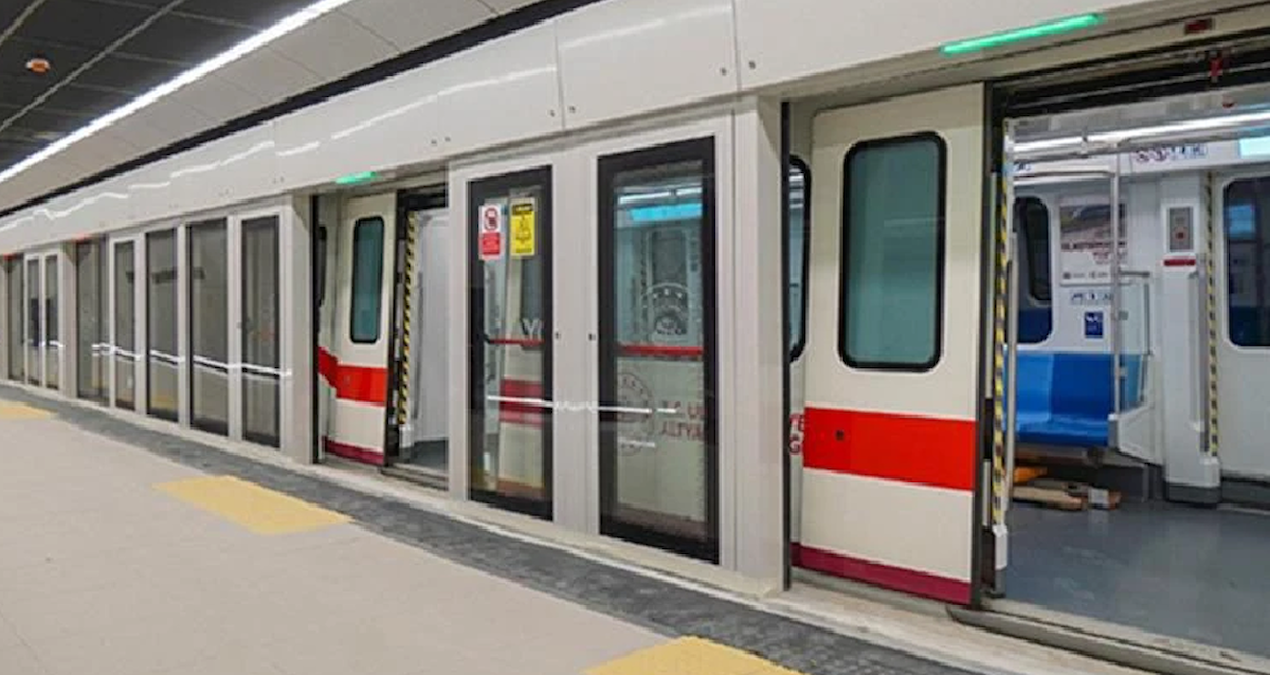

A significant advancement has been announced for the Ümraniye-Kavacık-Beykoz metro line project in Istanbul, aimed at alleviating the traffic issues on the Anatolian side of the city. Under a new Presidential Decree published in the Official Gazette, the authority for the project’s construction has been transferred to the Ministry of Transport and Infrastructure. This new measure promises to streamline the planning and construction processes, connecting key business centers and dense residential areas in the region.
| Article Subheadings |
|---|
| 1) Project Overview and Significance |
| 2) Legal Framework and Government Involvement |
| 3) Expected Impact on Regional Traffic |
| 4) Future Developments and Community Engagement |
| 5) Conclusion and Long-Term Vision |
Project Overview and Significance
The Ümraniye-Kavacık-Beykoz metro line is designed to improve public transportation in Istanbul, particularly on the Anatolian side which has been grappling with rising traffic congestion. This ambitious project seeks to connect significant areas of economic activity with residential neighborhoods while reducing the dependency on road transport. The new metro line is poised to enhance accessibility and is seen as a crucial investment in the region’s infrastructure, ensuring that the rapidly growing population has efficient transportation options.
With the transfer of authority to the Ministry of Transport and Infrastructure, the project marks a new chapter in the city’s transport strategy, aiming to cater to the increasing demand for public transit solutions. Local officials and urban planners believe that this metro line will not only address immediate traffic woes but will also integrate seamlessly with Istanbul’s existing transportation network, facilitating easier commutes across the city.
Legal Framework and Government Involvement
The legal groundwork for the Ümraniye-Kavacık-Beykoz metro line was solidified with the issuance of Presidential Decree No. 11628, published in the Official Gazette. This decree formally transferred full construction authority to the Ministry of Transport and Infrastructure, streamlining decision-making processes and enabling greater efficiency in project execution. The decree included an amendment to the regulations governing urban rail systems, ensuring that this metro line falls under direct government oversight.
This centralized control is expected to minimize bureaucratic hurdles, thereby allowing for quicker responses to any challenges that may arise during the planning and construction phases. By conducting the tendering and construction processes under one authority, the government aims to ensure that the project adheres to high standards while maximizing the use of resources. This integrated approach can significantly accelerate the timeline for project completion, benefiting the local communities that heavily rely on public transport.
Expected Impact on Regional Traffic
The new metro line is anticipated to serve as a viable alternative to the heavy road traffic that currently plagues the routes between Ümraniye, Kavacık, and Beykoz. With these areas being key business hubs, the introduction of the metro is expected to ease congestion during peak travel times, offering residents a reliable transit option. This shift could not only enhance commuter convenience but also promote economic activity by making local businesses more accessible.
In addition, urban planners expect that the metro’s operational efficiency will encourage more residents to opt for public transport rather than personal vehicles, thereby reducing carbon emissions and promoting sustainable urban living. The ease of movement facilitated by the metro is also projected to draw more people to the area, potentially increasing property values and fostering further development.
Future Developments and Community Engagement
As the project progresses, authorities are committed to maintaining transparency and engaging with the communities that will benefit from the new metro line. In the coming weeks, the public can expect detailed announcements regarding the exact route of the metro, station locations, and timelines for construction milestones. This information will be crucial for residents and business owners in the vicinity, allowing them to prepare for the changes that the metro will bring.
Additionally, stakeholder meetings and community forums are likely to be organized to gather local input and address any concerns. Citizens will have the opportunity to learn more about the project and express their views on aspects such as accessibility and environmental impact. This proactive approach aims to foster a sense of ownership and partnership between the government and the communities involved.
Conclusion and Long-Term Vision
The Ümraniye-Kavacık-Beykoz metro project represents a transformative initiative for Istanbul’s transportation landscape. By consolidating control under the Ministry of Transport and Infrastructure, the government demonstrates its commitment to tackling urban mobility challenges head-on. With anticipated efficiencies in planning and execution, the project is on track to provide long-term benefits to residents, businesses, and the local economy.
In summary, the metro line promises to be a vital addition to Istanbul’s public transport network, enhancing connectivity while mitigating traffic congestion. As further developments unfold, the city’s residents are encouraged to stay informed and participate in discussions that shape the future of their urban environment.
| No. | Key Points |
|---|---|
| 1 | The Ümraniye-Kavacık-Beykoz metro line aims to alleviate traffic congestion in Istanbul. |
| 2 | A Presidential Decree has transferred construction authority to the Ministry of Transport and Infrastructure. |
| 3 | Centralized control is expected to speed up project timelines and reduce bureaucratic delays. |
| 4 | The metro line is anticipated to serve as a sustainable alternative to road transport between key areas. |
| 5 | Future announcements regarding the project’s details will be made to keep the community engaged. |
Summary
The Ümraniye-Kavacık-Beykoz metro line is not just a transportation project; it symbolizes Istanbul’s forward-thinking approach to urban development and sustainability. The strategic decision to empower the Ministry of Transport and Infrastructure with all phases of the project will help ensure its success and timeliness. As Istanbul continues to grow, such infrastructure initiatives will play a crucial role in maintaining the livability and accessibility of the city for its residents.
Frequently Asked Questions
Question: What is the significance of the Ümraniye-Kavacık-Beykoz metro line?
The metro line is significant as it aims to address heavy traffic congestion in Istanbul, connecting key business and residential areas while providing an efficient public transport alternative.
Question: How will the government’s involvement impact the project?
By centralizing authority within the Ministry of Transport and Infrastructure, the project is expected to experience reduced bureaucratic delays, ensuring a more streamlined approach to planning and execution.
Question: What can residents expect regarding updates on the metro project?
Residents can expect detailed updates on the exact route, station details, and construction timelines to be shared, providing opportunities for community engagement and feedback.
