

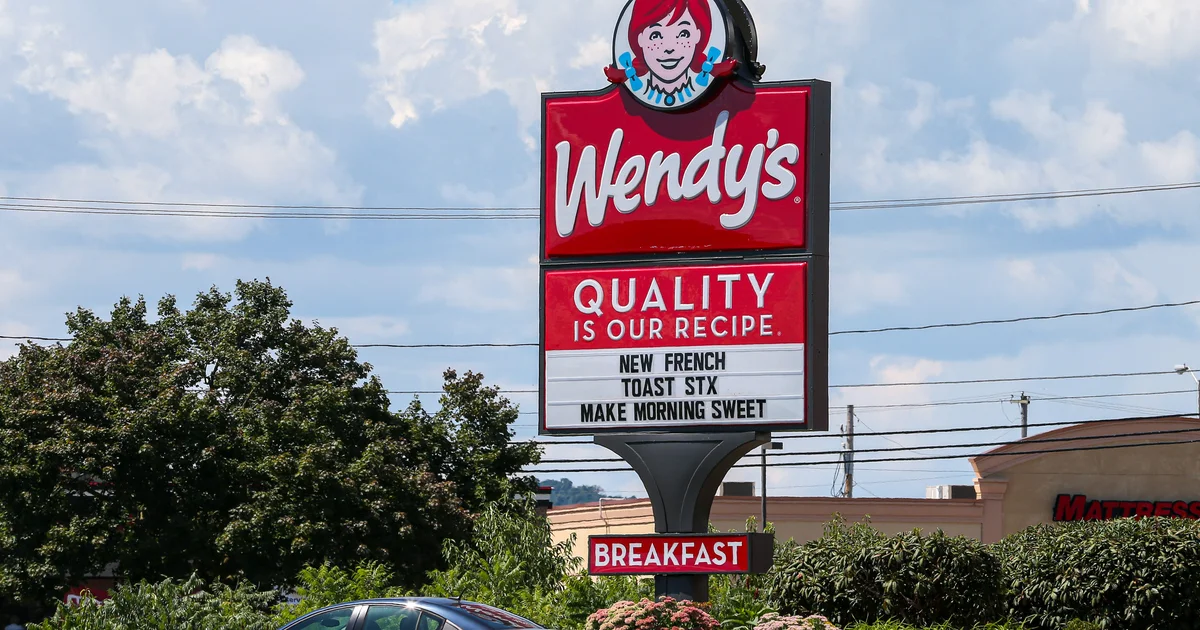

Wendy’s board of directors has officially rejected a $1.4 billion hostile takeover offer from a consortium of investment firms, asserting that the proposal undervalues the fast-food chain and does not serve the best interests of its shareholders. The board’s decision comes in the wake of slowing revenue growth and increased operational challenges faced by the company. Amid these circumstances, Wendy’s has reaffirmed its commitment to its long-term value under the leadership of CEO Bob Wright.
| Article Subheadings |
|---|
| 1) Details of the Takeover Bid |
| 2) Response from Wendy’s Board |
| 3) Financial Performance Highlights |
| 4) Market Challenges and Operational Issues |
| 5) Competitive Landscape in the Fast-Food Sector |
Details of the Takeover Bid
The takeover bid from a consortium led by Trian Partners, an asset management firm known for its activist investing strategies, has generated significant attention in financial markets. The consortium, which also includes Flynn Group LP, BlueFive Capital, and Sixth Street Partners, has offered $7.35 per share for Wendy’s shares. This offer is below the company’s current trading price of $7.75, and the Wendy’s board has deemed it inadequate. The unsolicited proposal was first made public last month, prompting the company to establish an independent board to assess the bid thoroughly, underscoring the seriousness with which Wendy’s is taking the offer.
Response from Wendy’s Board
Wendy’s Independent Committee evaluated the takeover offer and unanimously determined that it significantly undervalues the restaurant chain’s prospects for standalone growth and long-term earnings. Chairman of the board, Art Winkleblack, publicly expressed confidence in CEO Bob Wright, indicating that the board believes Wendy’s has the potential to enhance its value independently. This announcement serves not only to reject the current bid but also to reassure existing shareholders of the company’s strategic direction moving forward.
Financial Performance Highlights
Despite being currently profitable, Wendy’s has faced a decline in revenue growth over the past few years. In its latest earnings report, the company announced a significant drop in U.S. same-restaurant sales, which fell by 5.7% in the third quarter of the year, compared to the same period last year. The reported revenue of $547 million also represented a decrease from the previous year’s $549.5 million, highlighting the challenges the chain is encountering. This drop in performance is concerning for investors as the company navigates through a competitive landscape amid economic pressures.
Market Challenges and Operational Issues
As inflation data continues to affect consumer spending, Wendy’s has not been immune to the pressures facing the fast-food industry. Bob Wright acknowledged during a recent conference call that rising costs, particularly in beef, have forced the company to raise menu prices, which has contributed to losing customer traction. He also pointed out operational difficulties, including challenges with staffing, employee training, and maintaining service quality, particularly during peak hours at drive-thru locations. This series of operational setbacks echoes broader trends affecting many fast-food chains struggling with similar issues.
Competitive Landscape in the Fast-Food Sector
The current economic climate has induced competitive pressure across the fast-food industry, compelling chains like Wendy’s to rethink their strategies. In response to shifting consumer preferences and rising costs, various competitors are exploring new offerings. For example, McDonald’s announced plans to introduce a range of affordable menu options in the coming year as a strategy to bolster sales. This context places Wendy’s in a challenging position as it works to maintain its market share amidst tightening consumer wallets and evolving demands.
| No. | Key Points |
|---|---|
| 1 | Wendy’s board has rejected a hostile takeover bid of $1.4 billion, stating it undervalues the company. |
| 2 | The bid from Trian Partners and others proposed $7.35 per share. |
| 3 | Wendy’s reported a 5.7% decline in same-restaurant sales for Q3. |
| 4 | Operational challenges, including staffing and quality control, are impacting Wendy’s performance. |
| 5 | Competitors are adapting their strategies in response to inflation and consumer spending habits. |
Summary
The rejection of the takeover bid by Wendy’s board highlights the company’s determination to pursue long-term growth independently despite facing significant market pressures. With ongoing operational challenges and competitive hurdles, Wendy’s must reassess its strategies to regain momentum in a challenging economic environment. As the fast-food industry evolves, Wendy’s commitment to its core values and strategic objectives will be pivotal in its attempts to drive shareholder value.
Frequently Asked Questions
Question: What prompted Wendy’s board to reject the takeover bid?
The board concluded that the $1.4 billion offer significantly undervalues the company’s standalone prospects and long-term earnings potential.
Question: Who led the group that made the takeover offer?
The takeover bid was led by Trian Partners, an asset management firm founded by activist investor Nelsin Peltz.
Question: What financial challenges is Wendy’s currently facing?
Wendy’s reported a decline in same-restaurant sales and has experienced rising operational costs due to inflation, impacting its overall revenue growth.
