

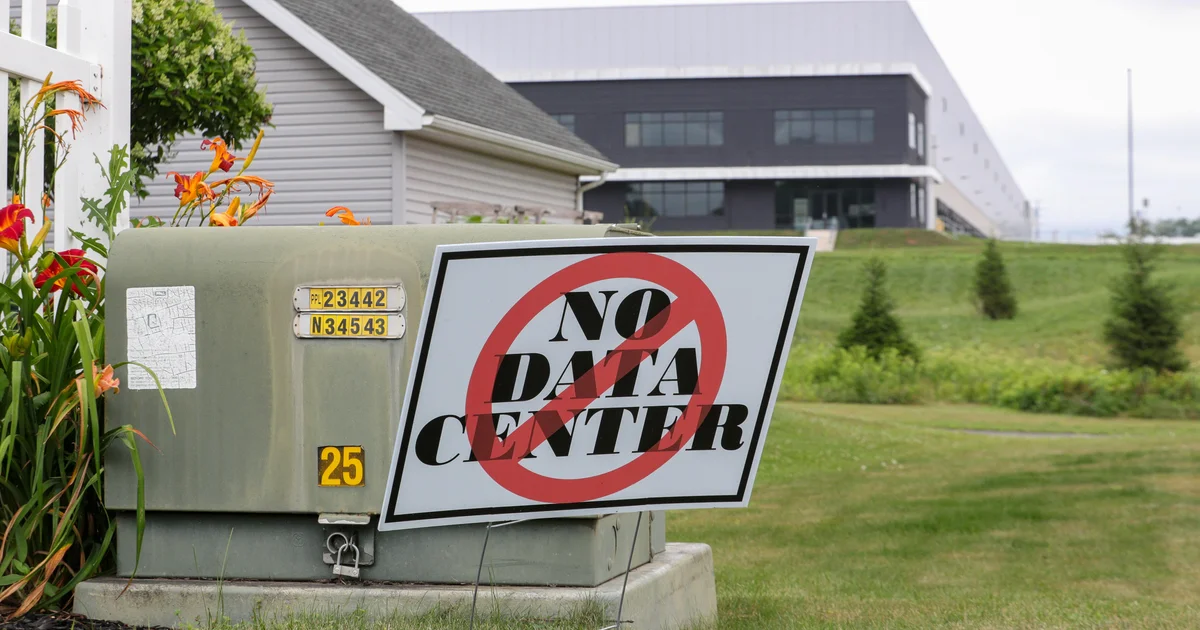

The recent midterm elections in the United States have resulted in significant Democratic victories that may influence the future of data centers throughout the nation. Election outcomes, particularly in key states like Texas and Georgia, are expected to slow the development of these facilities, which have faced mounting scrutiny from local communities and environmental advocates. As public sentiment shifts against data centers, analysts suggest new regulatory measures could reshape the landscape for the data center industry.
| Article Subheadings |
|---|
| 1) Election Results: A Shift in Power |
| 2) Implications for Texas: The Case of Gina Hinojosa |
| 3) Georgia’s Gubernatorial Impact: Keisha Lance Bottoms Takes Charge |
| 4) Market Reactions: Investors Eye Data Center Regulations |
| 5) The Future: Growth vs. Regulation |
Election Results: A Shift in Power
The Democratic Party’s victories in the recent midterm elections have reshaped the political landscape, particularly concerning regulation of data centers across the United States. As the election results rolled in on Wednesday afternoon, reports indicated that voters had approved 38 ballot measures aimed at limiting data center construction in various states, including California, Illinois, and New York. This shift is significant as it reflects a growing concern among local populations regarding the environmental impact and infrastructural strain that data centers might impose on their communities.
Community members across the country expressed their apprehensions about the influx of data centers intended to support artificial intelligence (AI) advancements. State and gubernatorial candidates who successfully campaigned for stricter regulations on data centers are expected to drive changes in policies that may prolong the permitting process or introduce additional oversight measures. An analysis from political research firm Redbud Consulting highlights that other states, in addition to the aforementioned, are also following a trend of pushing back against the rapid development of data centers.
The results signal a clear message from voters: many Americans are increasingly against the unchecked growth of data centers, with polling suggesting that more than two-thirds of respondents oppose new installations in their localities. As these candidates take office, their emphasis on environmental protection and community interests could lead to widespread regulatory changes, setting a precedent that could complicate development plans led by major technology firms.
Implications for Texas: The Case of Gina Hinojosa
Texas has become a focal point in discussions about data center construction, accounting for approximately 25% to 30% of all projected data center capacity in the United States. The election of Democrat Gina Hinojosa as governor may have profound implications for the future of data centers within the state. During her campaign, Hinojosa proposed a temporary halt on data center construction, a proposal that now has a serious chance of being enacted.
Under the previous administration, outgoing Governor Greg Abbott had already instituted a suspension on new data center approvals, which simplifies matters for Hinojosa. Now, she can easily extend this moratorium without needing new legislative support. This development may stymie plans for additional data center installations that were anticipated to supply 13 gigawatts of power. Market analyst Gordon Johnson points out that this slowdown could disrupt the existing schedules of data center developers who hoped to ramp up operations significantly in the coming years.
Hinojosa’s election and her commitment to scrutinizing further data center expansions come amid a broader public backlash against the rapid pace of technological development. The scrutiny centers not only on land use and community impact but also on resource allocations concerning water and energy needs. Many residents and environmental advocacy groups are raising alarms over potential overreach and long-term consequences, marking a crucial intersection between technology and local governance.
Georgia’s Gubernatorial Impact: Keisha Lance Bottoms Takes Charge
The ramifications of the midterm elections also resonate in Georgia, where Democratic candidate Keisha Lance Bottoms won the gubernatorial race. As the third-largest data center market in the United States, Georgia’s direction under Bottoms may result in significant regulatory changes. Bottoms campaigned on prioritizing a pause on new data center construction, echoing the concerns of many constituents about the potential saturation of data centers within the state.
Upon taking office, Bottoms voiced her intention to swiftly implement an executive order to pause construction activities related to data centers. In an interview, she stated,
“We will determine what else we need to do administratively to take that pause into effect.”
Beyond immediate constraints on further building, Bottoms signaled plans to reassess tax incentives that have historically encouraged data center development. This review could lead to alterations in how these incentives are structured, potentially impacting investment decisions by large tech firms.
The political shift in Georgia reflects a larger trend of state governments reevaluating their relationships with data-driven industries. Many local governments in Georgia have already initiated measures to limit data center expansions, which could enforce a more cautious approach toward large-scale tech-related investments across the state.
Market Reactions: Investors Eye Data Center Regulations
Following the election, market analysts observed notable declines in stocks related to data center construction, particularly in semiconductor and hardware industries. Stakeholders expressed concerns that enhanced regulatory measures could significantly delay permitting processes for new data center projects. This apprehension has led investors to reexamine the feasibility and timelines associated with prospective developments.
Seema Shah, chief global strategist at Principal Asset Management, commented on the potential burdens that could befall developers due to these new regulations. She indicated that these firms might be compelled to invest more in electrical grid improvements and may lose traditional tax incentives, further raising the stakes involved in data center investments. If construction costs rise, it could bolster the value of pre-existing, operational data facilities, maintaining a competitive edge.
The data center sector, although currently under scrutiny, has been pivotal in driving economic growth in the U.S. However, analysts suggest that in the long run, a slower pace of data center development may not severely impact the economy. Instead, it could correct an overheated market by fostering more prudent investments that generate sustainable returns, as echoed by Franklin Templeton’s Stephen Dover and others.
The Future: Growth vs. Regulation
The repercussions of the recent elections present a dichotomy between the need for technological advancement and the demand for environmental stewardship. As local and state governments tighten their regulations on data centers, the future growth of this sector may face hurdles that will ultimately redefine project timelines. Economic forecasts from institutions such as Oxford Economics suggest that while the imposition of more stringent regulations might stretch out project schedules, it does not necessitate an overall economic downturn.
In fact, a more cautious approach to the development of data centers could foster a healthier market environment, ensuring that investments are channeled into sustainable and impactful projects. While moratoriums and regulatory revisions may stall immediate developments, they may also lead to an ecosystem where existing infrastructures are optimized for efficiency and utility. This transitional phase could yield positive outcomes for both investors and local communities if managed with foresight.
| No. | Key Points |
|---|---|
| 1 | Democratic victories in the midterm elections could slow data center expansions across various states. |
| 2 | Key gubernatorial wins in Texas and Georgia signal an increased focus on regulating data centers. |
| 3 | Investor concerns arise as stock values related to data center construction decline. |
| 4 | Market analysts foresee a potential restructuring of tax incentives for data centers. |
| 5 | Restriction of data center construction may lead to long-term benefits for local communities and economies. |
Summary
The outcomes of the recent midterm elections may herald a significant turning point for data center development in the United States. With more voters backing regulatory measures in key states, the future growth of data centers faces new challenges as governing bodies respond to community concerns. As states like Texas and Georgia implement stricter regulations, the industry may experience a transformative phase that prioritizes environmental impacts and community needs. Ultimately, while the immediate implications for technology firms may include delayed expansion plans, the overarching influence of public sentiment could lead to more sustainable development practices.
Frequently Asked Questions
Question: What are data centers used for?
Data centers are facilities used to house computer systems and associated components, such as telecommunications and storage systems. They support applications and services such as cloud computing, data storage, and artificial intelligence.
Question: Why are there community concerns regarding data centers?
Community concerns stem from potential environmental impacts, such as increased energy consumption, water usage, and land use conflicts. Local residents worry about the long-term sustainability of having large tech facilities in their vicinity.
Question: How can state regulations affect data center construction?
State regulations can impose limitations on building permits, zoning changes, and operational compliance, which can delay or entirely halt new construction projects. These measures are often intended to address environmental concerns and community impacts.
