

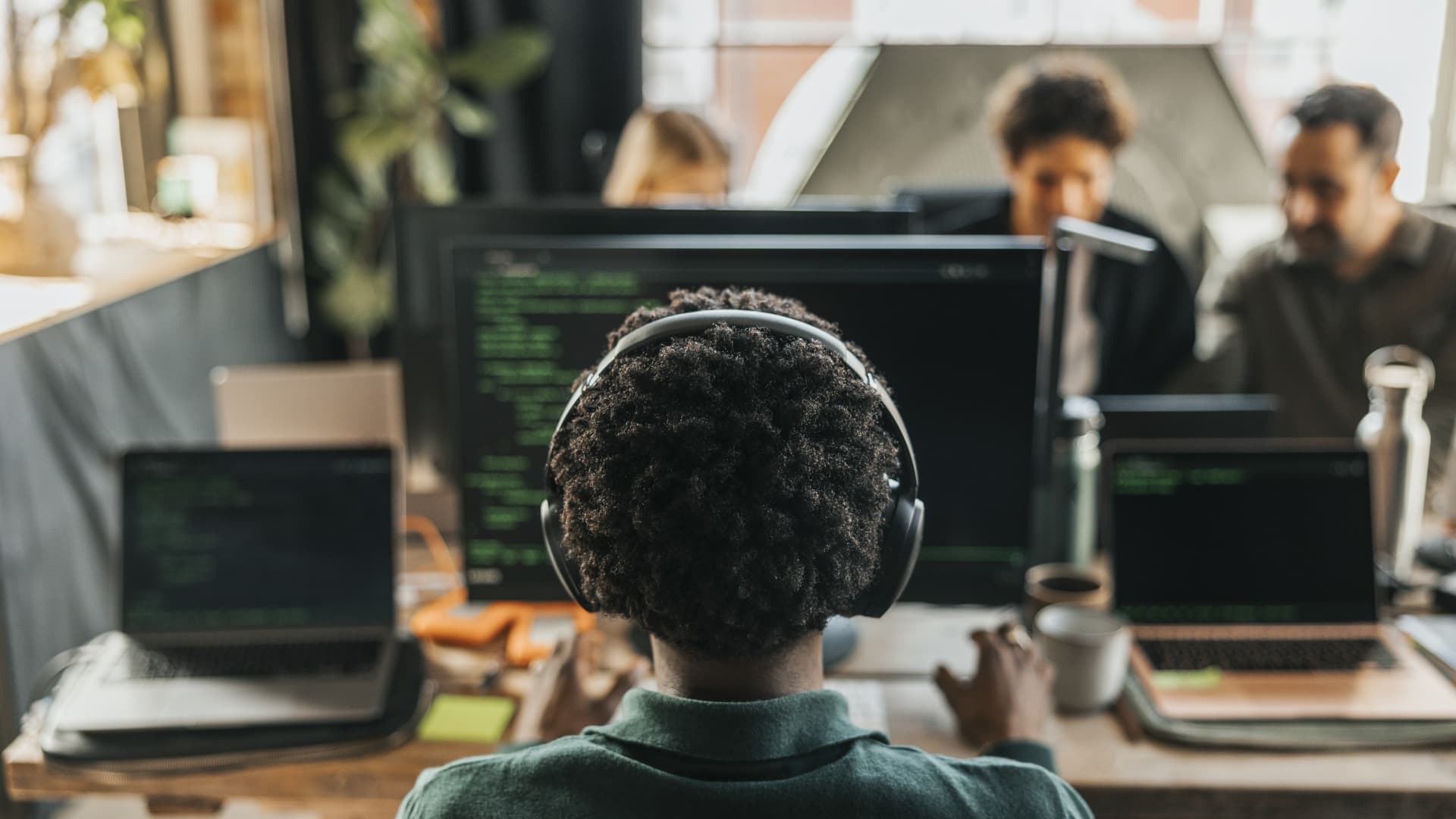

As the technology landscape continues to evolve, the role of software engineers is undergoing a significant transformation, primarily due to the integration of artificial intelligence (AI) in their workflows. Many software engineers, including Gemma Rodgers, a developer based in the U.K., have expressed mixed feelings about how AI tools streamline processes but also diminish the sense of achievement that comes with problem-solving in coding. A variety of industry experts weigh in on the implications of AI on software development roles, skill deficiencies among workers, and the changing nature of recruitment and productivity in this fast-paced environment. This article explores these shifts and their potential long-term effects on the profession.
| Article Subheadings |
|---|
| 1) The Evolving Role of Software Engineers |
| 2) The Impact of AI on Productivity |
| 3) The Divide in AI Proficiency |
| 4) Opportunities and Challenges for New Engineers |
| 5) Balancing Automation with Human Experience |
The Evolving Role of Software Engineers
When Gemma Rodgers began her computer science studies in 2002, the horizon for software engineering appeared bright and certain. At that time, the profession was characterized by its potential for job security and lucrative compensation. This perception attracted individuals who relished the intricacies of coding and the challenges of problem-solving. Fast forward to the present day, and the landscape has dramatically shifted. AI tools have become integral to the daily operations of software development, significantly altering how engineers work and interact with code.
With a 2026 survey revealing that 83% of software developers report utilizing at least one AI tool, it is clear that these technologies have embedded themselves into the industry’s fabric. According to James Broadhead, the Chief Technology Officer at AI decision-making firm Taktile, engineering tasks that once required extensive time investments can now be expedited, often generating prototypes in a matter of hours rather than weeks. This speed, however, comes with its complications, as engineers now face the challenge of discerning the value and quality of the exponentially produced code.
The Impact of AI on Productivity
While many professionals celebrate the time-saving capabilities of AI, there is growing concern that the essence of software engineering may be at risk. Gemma Rodgers articulated a sentiment shared by several peers; although AI assists in expediting coding processes, it cannot replace the joy derived from overcoming significant challenges. She remarked,
“The sense of joy and fun that I used to experience… it’s been removed somewhat…”
This reflects a broader trend among developers, where the fulfilling aspects of their work are being supplanted by the convenience of technology.
Moreover, this rapid acceleration in productivity raises questions about the value that software engineers bring to their roles. Joshua Wöhle, the CEO of AI training company Mindstone, observed that AI has cultivated a new breed of workers, leading to the emergence of “100X engineers,” who can perform tasks at a level of efficiency unthinkable a decade ago. This leaves traditional engineers, who take pride in their labor-intensive problem-solving processes, feeling obsolete and disheartened.
The Divide in AI Proficiency
As AI takes a more prominent place in software development, a divide is becoming increasingly apparent between those who can leverage these tools effectively and those who are struggling to keep up. Joshua Wöhle highlighted this gap, noting that the industry is witnessing a growing divide between skilled users and novices in terms of AI proficiency. This change can significantly affect hiring practices, as companies may prioritize employees who can efficiently utilize AI over those who traditionally excelled in coding alone.
This situation generates “grief” among seasoned engineers, as their once-cherished tasks are being devalued in the eyes of employers.
“The thing you love doing is no longer the thing the company should be paying for…”
This realization can lead to a loss of motivation and satisfaction among employees, raising critical questions about job security and identity within the industry.
Opportunities and Challenges for New Engineers
Despite the challenges posed by AI integration, there are also significant opportunities for new engineers entering the field. AI tools have reduced barriers to entry, enabling individuals with varying backgrounds to find success in software development, as Gemma Rodgers noted. This democratization of accessibility represents a shift that could embolden a diverse range of individuals to thrive in a domain traditionally dominated by a select few.
However, Chris Sees, a seasoned engineer and CEO of virtual office company Hoxton Mix, warns that the reliance on AI could inhibit the fundamental learning experiences critical for a new engineer’s growth. The hands-on coding practice often serves as a lesson ground where skills are honed and mistakes become valuable learning experiences. If AI becomes a crutch, the next generation may miss out on essential knowledge and experience.
Balancing Automation with Human Experience
As the industry navigates the reality of widespread AI adoption, it is crucial to find a balance between automation and the human experience within software engineering. Chris Sees advocates for the concept of AI as a competent junior engineer—one that requires oversight and human judgment. This relationship underscores the importance of critical thinking and problem-solving, elements that automation cannot replicate.
For Gemma Rodgers, having the autonomy to utilize AI according to her preferences is essential. By automating mundane parts of her projects, she can focus on the creative problem-solving aspects that she finds most gratifying. She emphasizes the value of struggle in the creative process, stating,
“Unless we are able to work that through in so many different aspects of life, then you never get the full force of the good feeling on the other side.”
This sentiment highlights the intrinsic human need for accomplishment through challenge—something that pure automation risks diluting.
| No. | Key Points |
|---|---|
| 1 | The introduction of AI tools has redefined the programming landscape, affecting how engineers approach coding tasks. |
| 2 | Many engineers report feelings of nostalgia as the core joys of problem-solving in coding are overshadowed by AI’s efficiency. |
| 3 | A growing divide exists between engineers who can proficiently use AI and those who cannot, influencing hiring practices. |
| 4 | AI tools have made software development more accessible, yet reliance on these mechanisms may inhibit skill development for new engineers. |
| 5 | Balancing automation with human creativity and problem-solving is crucial in maintaining the integrity of the engineering profession. |
Summary
The incorporation of AI into software engineering marks a significant turning point for the industry, introducing efficiencies that change not only the workflow but also the core experience of the profession. While AI presents opportunities for increased productivity and democratization of access, it also poses challenges related to human satisfaction and skill retention. As engineering roles continue to evolve, it remains vital for the workforce to adapt and find a balance between embracing technology and preserving the essential aspects of problem-solving that define the job.
Frequently Asked Questions
Question: How is AI changing the landscape of software engineering?
AI is automating many coding tasks, allowing engineers to complete work faster but also changing the skills needed for success in the industry.
Question: What are some concerns engineers have about AI integration?
Many engineers feel that the joy and satisfaction from traditional problem-solving is diminishing, as AI makes tasks easier and less fulfilling.
Question: How can new engineers overcome the challenges posed by AI?
New engineers can focus on developing creative problem-solving skills and critical thinking, which are necessary for supervising and improving AI-generated code.
