

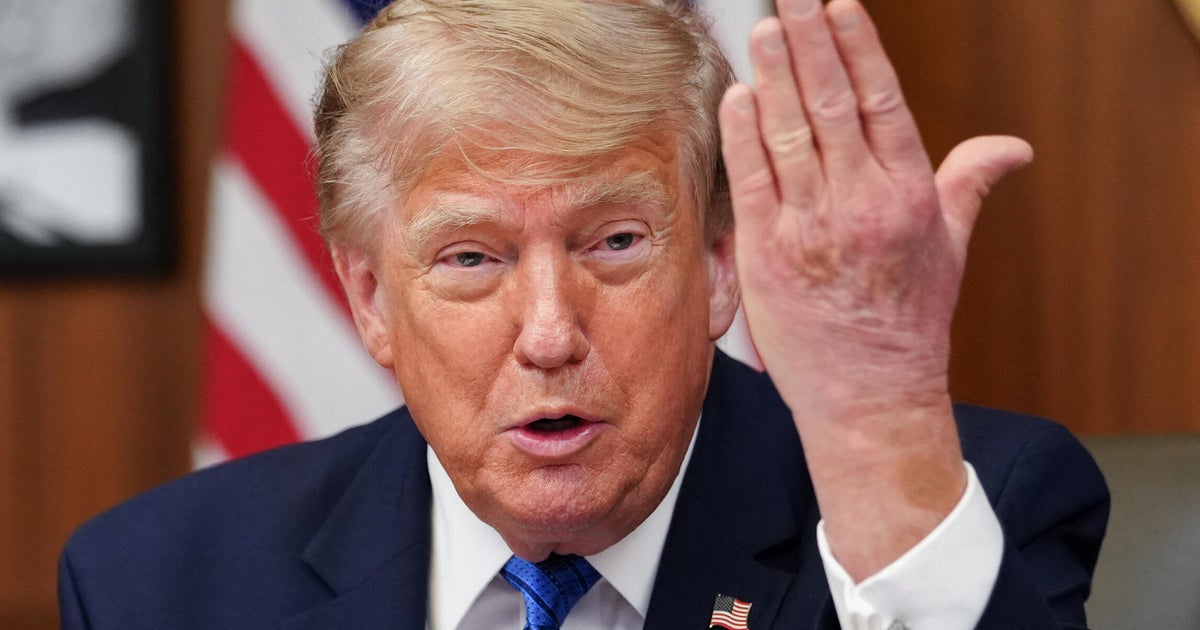

In a significant development, President Donald Trump announced the cancellation of a planned military strike on Iran after reaching a preliminary peace agreement. The decision came after discussions with Middle Eastern leaders, including Saudi Crown Prince Mohammed bin Salman, who advised against escalating military action. This move aims to stabilize the region and open diplomatic channels, particularly concerning the strategic Strait of Hormuz and Iran’s nuclear ambitions.
| Article Subheadings |
|---|
| 1) Diplomatic Efforts and Regional Concerns |
| 2) The Strategic Importance of the Strait of Hormuz |
| 3) Reactions from Global Leaders |
| 4) Potential Implications for U.S.-Iran Relations |
| 5) Future Prospects for Peace in the Region |
Diplomatic Efforts and Regional Concerns
The decision to cancel the attack on Iran followed intense diplomatic efforts involving multiple stakeholders in the Middle East. President Donald Trump engaged in discussions with several regional leaders, including Saudi Crown Prince Mohammed bin Salman, who played a pivotal role in advising against military escalation. The discussions aimed to address the broader implications of a military strike, which could have destabilized the already volatile region. The diplomatic push underscores the importance of dialogue in resolving international conflicts, particularly in a region fraught with historical tensions and strategic interests.
These diplomatic efforts were not limited to regional leaders but also involved consultations with European allies. The European Union expressed its support for peaceful resolutions and emphasized the need for continued dialogue. The involvement of multiple international actors highlights the global significance of the situation and the shared interest in maintaining stability in the Middle East.
Furthermore, the diplomatic efforts included back-channel communications with Iranian officials. These communications aimed to build trust and lay the groundwork for more formal negotiations. The willingness of both sides to engage in dialogue is a positive sign, suggesting that there is room for negotiation and compromise.
The Strategic Importance of the Strait of Hormuz
The Strait of Hormuz holds immense strategic significance as a critical chokepoint for global oil shipments. Any military conflict in this region could disrupt the flow of oil, affecting global markets and economies. The preliminary peace agreement reportedly includes provisions for the “Immediate, Complete, and Total OPENING OF THE HORMUZ STRAIT,” which is vital for maintaining stability in global energy supplies. This aspect of the deal highlights the interconnectedness of regional security and global economic stability, emphasizing the need for peaceful resolutions to conflicts that could impact international trade routes.
The strait’s significance extends beyond oil shipments. It is also a vital route for natural gas exports, making it a key component of the global energy infrastructure. Ensuring the security of this passage is crucial for energy-importing countries, particularly in Asia and Europe, which rely heavily on Middle Eastern energy supplies.
In addition to its economic importance, the Strait of Hormuz is a strategic military location. Control over this narrow waterway can provide significant leverage in regional power dynamics. The peace agreement’s focus on keeping the strait open underscores the importance of maintaining freedom of navigation and preventing any single nation from exerting undue influence over this critical passage.
Reactions from Global Leaders
Global leaders have reacted cautiously to the announcement of the canceled strike and the preliminary peace agreement. While some have welcomed the move as a step towards de-escalation, others remain skeptical about the durability of the agreement. The international community is closely monitoring the situation, with the United Nations expressing concern over the potential for renewed conflict. The reactions underscore the complexity of international diplomacy, where multiple interests and perspectives must be balanced to achieve lasting peace.
Among the supportive voices, the French President praised the decision as a “wise move” that could pave the way for further negotiations. The German Chancellor also expressed optimism, highlighting the importance of diplomacy in resolving international disputes. However, some leaders, particularly in the Middle East, have expressed reservations, fearing that the agreement may not address all underlying issues.
The mixed reactions reflect the diverse interests and concerns of different countries. While some prioritize regional stability and economic interests, others focus on security concerns and the potential for nuclear proliferation. Balancing these interests will be crucial in ensuring the success of the peace agreement and preventing future conflicts.
Potential Implications for U.S.-Iran Relations
The cancellation of the attack and the preliminary peace agreement could mark a turning point in U.S.-Iran relations. While tensions have been high, this development opens the door for renewed diplomatic engagement. However, the path forward is fraught with challenges, as both nations have deep-seated mistrust and conflicting interests. The success of this agreement will depend on the willingness of both parties to negotiate in good faith and address core issues such as Iran’s nuclear program and regional influence.
The agreement presents an opportunity to address longstanding issues between the two countries. It could lead to discussions on a broader range of topics, including economic sanctions, regional security, and human rights. However, achieving progress will require significant concessions from both sides and a commitment to building trust.
The potential for improved relations also depends on domestic political dynamics in both countries. In the U.S., the administration must navigate domestic opposition to any perceived concessions, while in Iran, hardliners may resist efforts to engage with the West. Overcoming these internal challenges will be essential for the success of any diplomatic efforts.
Future Prospects for Peace in the Region
The future prospects for peace in the Middle East hinge on the successful implementation of the preliminary peace agreement and the broader geopolitical dynamics at play. While the cancellation of the attack is a positive step, lasting peace will require comprehensive solutions to the underlying issues that fuel regional conflicts. This includes addressing the grievances of various stakeholders, promoting economic development, and fostering political stability. The international community’s support will be crucial in facilitating dialogue and providing the necessary resources for peacebuilding efforts.
Achieving lasting peace will require a multifaceted approach that addresses both immediate security concerns and long-term development goals. Economic development initiatives can help alleviate poverty and reduce the appeal of extremist ideologies, while political reforms can promote stability and inclusivity.
The role of regional organizations and alliances will also be important in supporting peace efforts. Organizations such as the Arab League and the Gulf Cooperation Council can play a crucial role in facilitating dialogue and promoting cooperation among member states. Additionally, international actors, including the United Nations and the European Union, can provide valuable support in terms of mediation and resources.
| No. | Key Points |
|---|---|
| 1 | Trump cancels planned military strike on Iran. |
| 2 | Preliminary peace agreement reached with Iran. |
| 3 | Strait of Hormuz remains open for global oil shipments. |
| 4 | Saudi Crown Prince advised against military action. |
| 5 | Potential for renewed diplomatic engagement with Iran. |
Summary
The cancellation of a planned military strike on Iran by President Donald Trump marks a significant development in U.S.-Iran relations. The decision followed diplomatic discussions and a preliminary peace agreement that aims to stabilize the region and address critical issues such as the opening of the Strait of Hormuz and Iran’s nuclear program. While the move has been welcomed by some global leaders, the path to lasting peace remains complex and requires continued diplomatic efforts.
The agreement represents a potential turning point, offering a chance to address longstanding issues and improve relations between the U.S. and Iran. However, achieving lasting peace will require addressing underlying grievances, promoting economic development, and fostering political stability. The international community’s support will be crucial in facilitating dialogue and providing the necessary resources for peacebuilding efforts.
Frequently Asked Questions
Question: What led to the cancellation of the attack on Iran?
The attack was canceled following diplomatic discussions and a preliminary peace agreement that addressed regional concerns and the strategic importance of the Strait of Hormuz.
Question: What does the preliminary peace agreement entail?
The agreement reportedly includes provisions for the opening of the Strait of Hormuz and aims to address Iran’s nuclear threat, promoting regional stability.
Question: How have global leaders reacted to this development?
Reactions have been mixed, with some leaders welcoming the de-escalation while others remain cautious about the agreement’s durability and potential for lasting peace.
Question: What are the potential implications for U.S.-Iran relations?
The agreement could mark a turning point in relations, opening the door for renewed diplomatic engagement, but challenges remain due to deep-seated mistrust and conflicting interests.
Question: What are the future prospects for peace in the region?
Future peace prospects depend on the successful implementation of the agreement, addressing underlying issues, and the support of the international community in promoting dialogue and stability.
