

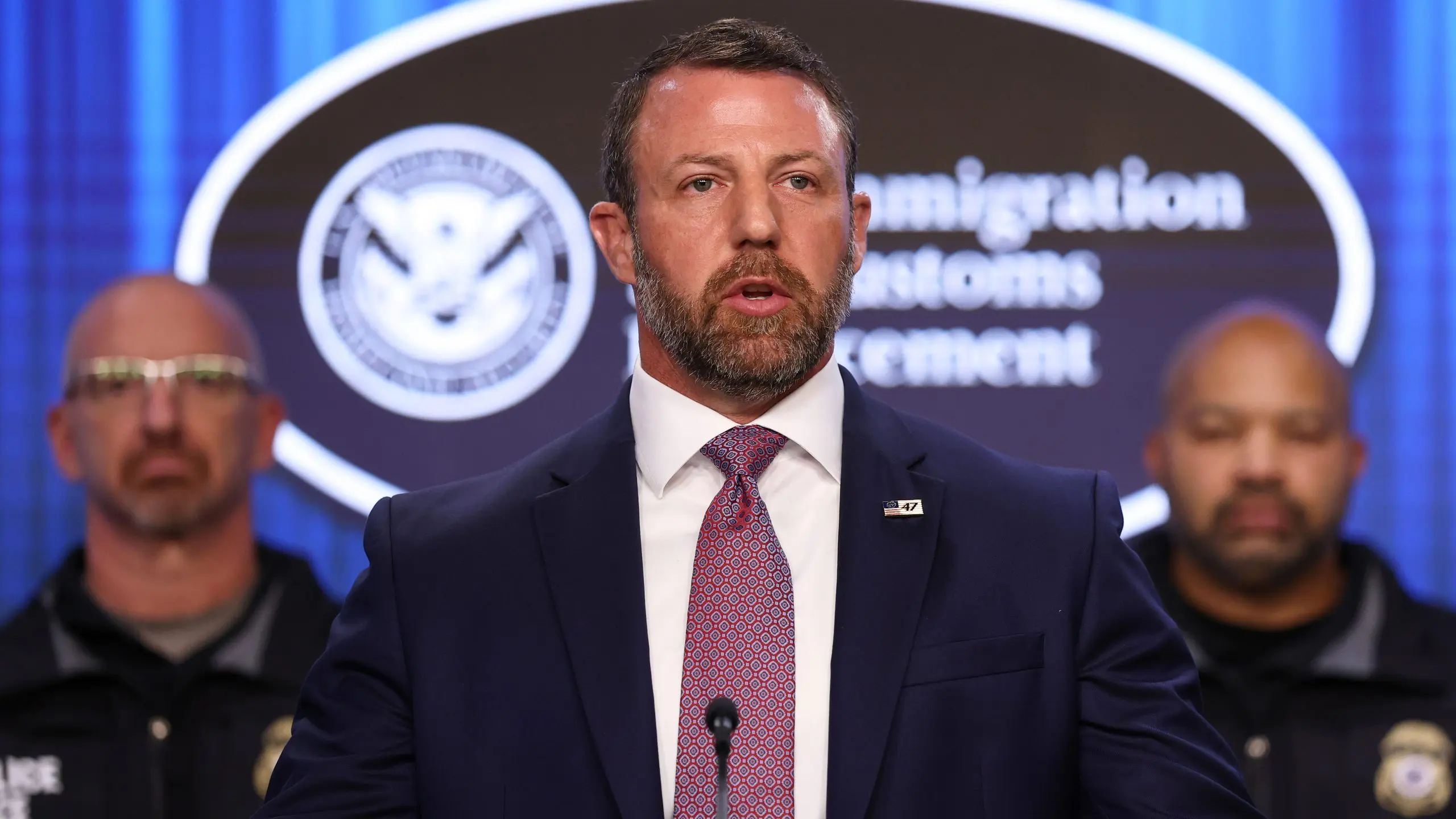

The Department of Homeland Security (DHS) is currently addressing a potentially significant data breach that has raised alarm among agency officials and union representatives. Initial reports indicate that the breach may have exposed the personal information of approximately 40,000 DHS employees, including names, titles, and contact information. Among those affected are around 10,000 personnel from U.S. Immigration and Customs Enforcement (ICE), along with more than 20,000 employees from U.S. Customs and Border Protection (CBP). The breach, deemed “catastrophic” by sources, has prompted a thorough investigation and brings to light ongoing concerns regarding the security of government employee records.
| Article Subheadings |
|---|
| 1) Overview of the Data Breach Incident |
| 2) Impact on DHS Employees and Contractors |
| 3) Response and Statements from DHS Officials |
| 4) Timeline and Background of Similar Breaches |
| 5) Future Implications for Data Security |
Overview of the Data Breach Incident
The reported data breach at the Department of Homeland Security emerged as a critical issue, revealing possible compromises to sensitive employee information. Sources indicate that as many as 40,000 employees may have been affected, including those working in crucial departments such as ICE and CBP. Details make clear that the leak not only involved names and titles but also personal contact information, with some employees’ phone numbers and email addresses being disclosed. This situation is particularly concerning given the sensitive nature of the work performed by these employees, who often deal with national security and immigration issues.
The distress surrounding this incident has been magnified by the claims made by an anti-fascist hacking group known as “Department of Peace,” which reportedly took responsibility for accessing the data. When an organization dealing with national security faces such a serious breach, the implications extend beyond the immediate privacy concerns; they touch upon the integrity and trust in governmental institutions. The potential fallout from this incident can ripple through not just the individuals involved but also the policies and procedures related to information security and personnel protection at the DHS.
Impact on DHS Employees and Contractors
The breach’s impact on DHS employees and contractors cannot be overstated. According to reports, about 10,000 personnel from ICE and over 20,000 from CBP are directly affected, with their sensitive information exposed. Such data breaches raise significant concerns regarding the safety of employees, especially those in undercover roles within the immigration enforcement and border protection sectors. The leaking of identities can jeopardize not only the employees’ safety but also the effectiveness of ongoing investigations and operations.
Additionally, the broader implications raise critical questions regarding the accountability of federal institutions in safeguarding the personal and professional data of their employees. The ability to perform their duties safely and effectively is heavily compromised when such breaches occur. The breach thus affects morale among employees, with many potentially feeling exposed and vulnerable in their positions. This situation reflects a broader trend, as government agencies face increasing scrutiny over their cybersecurity measures and the handling of sensitive information.
Response and Statements from DHS Officials
In light of the breach, officials from the Department of Homeland Security have publicly acknowledged the situation and are actively investigating its ramifications. Statements issued confirm the agency’s awareness of the breach and emphasize their urgency in addressing the issue. A spokesperson for DHS stated,
“DHS is aware of a potential breach and is actively working to address the situation swiftly and effectively.”
This statement illustrates the department’s commitment to transparency and accountability during a precarious time.
Moreover, DHS underscored its responsibilities, asserting that all security threats against employees and officers will be taken seriously. Officials further pledged to ensure that every possible measure will be employed to protect their individuals during this critical period. The urgency conveyed through these statements denotes an understanding that the consequences of such breaches extend far beyond forgotten passwords; they touch upon the integrity and reliability of governmental functions.
Timeline and Background of Similar Breaches
This recent incident aligns with a worrying pattern of breaches affecting U.S. government entities. Just last month, a data breach involving the Pentagon exposed sensitive personal information for over 2.76 million individuals, indicating that lapses in cybersecurity protocols are becoming more frequent. The Pentagon’s breach, which compromised Social Security numbers and employment information, has highlighted significant vulnerabilities in how government personnel data is secured.
Such breaches not only threaten the credibility of agencies like DHS and the Pentagon but signal a systemic issue that requires immediate attention and reform. As agencies expand their digital footprints, the need for robust cybersecurity frameworks is paramount. The overall timeline of these breaches suggests that aggressive steps must be implemented to safeguard sensitive information, with agencies needing to evolve more quickly than adversaries who exploit these vulnerabilities.
Future Implications for Data Security
Moving forward, the implications of this data breach for the future of data security within governmental departments are profound. As officials continue to address the fallout, there will likely be an increased emphasis on reevaluating current cybersecurity protocols. Whether through enhanced encryption techniques or heightened employee training around data security practices, agencies may need to innovate continuously to thwart potential breaches.
Furthermore, this incident may catalyze a broader legislative focus on the policies surrounding data protection for U.S. government employees. Policymakers may be compelled to ask tough questions about the adequacy of current regulations and the responsibilities of agencies to protect their workers. This breach serves as a powerful argument for why reform in federal data security practices is no longer an option but a necessity.
| No. | Key Points |
|---|---|
| 1 | DHS is investigating a significant data breach affecting around 40,000 employees. |
| 2 | The breach includes the leakage of personal information, including names, contact details, and job titles. |
| 3 | Officials acknowledge the seriousness of the breach and are seeking to address the situation effectively. |
| 4 | The incident reflects a broader trend of vulnerabilities in government cybersecurity practices. |
| 5 | Future reforms may be necessary to enhance data protection measures for government employees. |
Summary
The recent data breach at the Department of Homeland Security underscores significant vulnerabilities in the way government agencies protect sensitive personnel information. With a potential impact on thousands of employees within DHS, the incident raises urgent questions about data security policies and their effectiveness. As agencies grapple with the implications, proactive reform measures will likely become urgent requirements for restoring trust in the security of government operations.
Frequently Asked Questions
Question: What specific information was leaked in the DHS data breach?
The data breach potentially exposed the names, job titles, locations, phone numbers, and email addresses of around 40,000 DHS employees, including significant numbers from ICE and CBP.
Question: Who claimed responsibility for the data breach?
An anti-fascist hacking group known as the “Department of Peace” has claimed responsibility for obtaining and releasing the data.
Question: How has DHS responded to the breach?
DHS officials have confirmed awareness of the breach and expressed commitment to swiftly addressing the situation, ensuring the safety and protection of their employees.
