

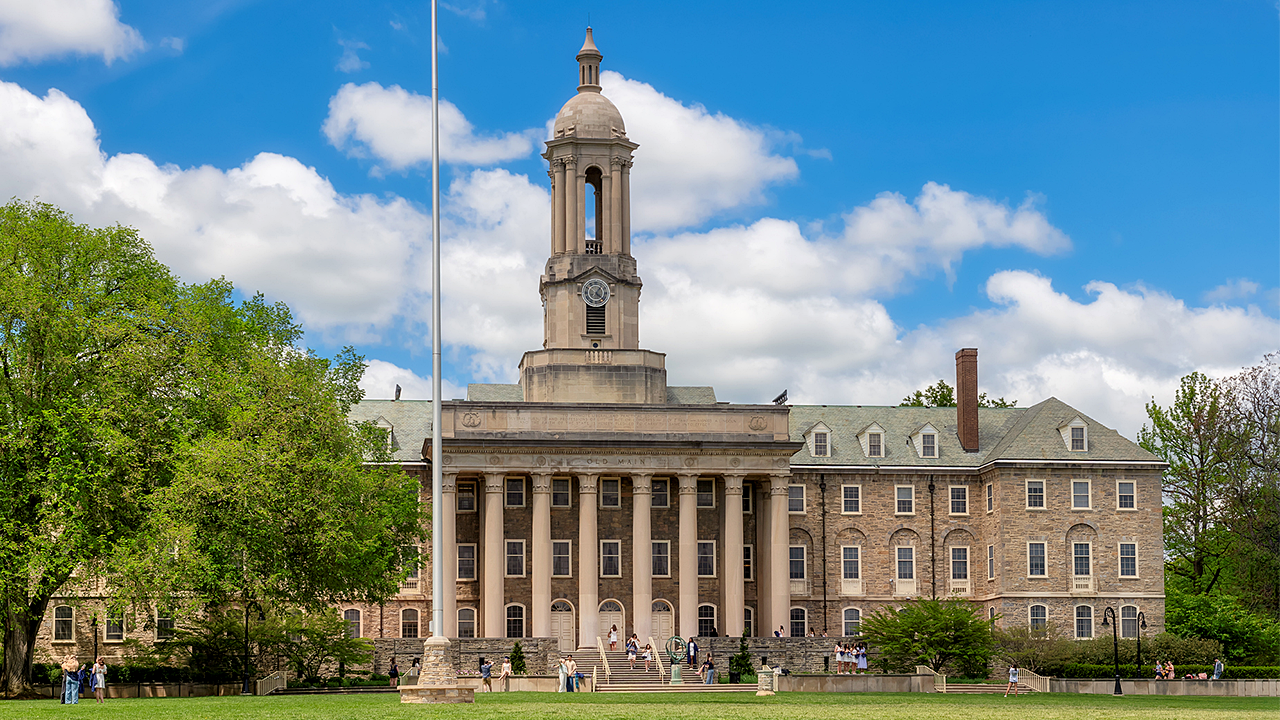

The U.S. Department of Justice has initiated legal action against Pennsylvania State University (PSU), contesting a policy that reportedly allows undocumented migrant students to qualify for in-state tuition rates. The lawsuit, filed recently, argues that this policy is discriminatory toward U.S. citizens who reside outside of Pennsylvania and are not afforded the same reduced tuition rates. The DOJ maintains that the university’s practices contravene federal law and seeks to prevent the enforcement of such policies nationwide.
| Article Subheadings |
|---|
| 1) Lawsuit Overview and Allegations |
| 2) DOJ’s Arguments and Statements |
| 3) University Policy Details |
| 4) Broader Implications of the Lawsuit |
| 5) Future Enforcement and Responses |
Lawsuit Overview and Allegations
The lawsuit filed by the U.S. Department of Justice (DOJ) against Pennsylvania State University arises from a policy that is believed to permit undocumented migrant students to access in-state tuition rates. This action follows a string of similar lawsuits targeting educational institutions across the country that allegedly prioritize the needs of undocumented individuals over those of American citizens. In this instance, the DOJ claims that the university’s policy not only violates federal law but also serves to disadvantage U.S. citizens who reside outside of Pennsylvania by denying them equal access to reduced tuition rates.
The formal complaint outlines that the DOJ seeks not only to halt the current application of these tuition rates for undocumented migrants but also to prevent PSU from adopting any future policies that could discriminate against citizens. Attorney General Brett A. Shumate emphasized that this situation is a clear violation of congressional mandates that prohibit such preferential treatment for illegal aliens, stating that “Congress made a deliberate policy choice that states and their public institutions may not grant tuition benefits to illegal aliens unless those same benefits are made to all U.S. citizens.”
DOJ’s Arguments and Statements
In his public statements regarding this lawsuit, Assistant Attorney General Brett A. Shumate articulated a strong stance against policies perceived to favor undocumented migrants at the expense of U.S. citizens. He argued, “This university has ignored that mandate. The Department will continue to challenge policies that unlawfully disadvantage American citizens.” This statement sets a precedent for the federal government’s ongoing commitment to ensuring equitable treatment for citizens in educational institutions.
In a broader context, the DOJ’s actions reflect an ongoing strategy to hold universities accountable for practices they deem discriminatory. The lawsuit is among dozens filed by the DOJ across various states, emphasizing a coordinated effort to eliminate policies that seemingly violate the principle of equal treatment under the law. Officials referenced prior lawsuits and outcomes that have favored federal interventions, aiming to demonstrate a pattern of legal precedent supporting their current claims.
University Policy Details
Pennsylvania State University’s current policy grants in-state tuition to undocumented students, which includes those with or without Deferred Action for Childhood Arrivals (DACA) status, provided they meet specific residency requirements. These requirements include having attended an accredited Pennsylvania high school for a minimum of four years and either graduating from such a school or obtaining a General Educational Development (GED) certificate in Pennsylvania.
This policy, according to the DOJ, creates an unconstitutional disparity between U.S. citizens, particularly those who may have moved to Pennsylvania from other states, and undocumented students living in the state. As per the DOJ’s perspective, residents outside Pennsylvania are unfairly excluded from similar benefits which could lead to inequity in education affordability.
Broader Implications of the Lawsuit
The lawsuit against Penn State raises critical questions about the educational rights of undocumented migrants versus citizens within the context of federal law. The DOJ has indicated that this is not an isolated case, as it has filed similar legal actions in other states, working to dismantle comparable tuition benefits for undocumented students across various universities.
This legal initiative not only reflects a strict interpretation of existing policies but may also set up future challenges for other universities with similar practices. As states reassess their educational policies in light of these legal precedents, the potential impact could lead to a significant shift in how universities navigate tuition benefits for all students. The outcome of this case has the potential to influence nationwide discussions about immigration, education access, and the rights of citizens versus undocumented residents.
Future Enforcement and Responses
As the legal proceeding unfolds, the DOJ is expected to continue advocating for the enforcement of federal standards concerning educational benefits. The government seeks to ensure that no state or university can provide preferential treatment to undocumented migrants at the expense of U.S. citizens. The DOJ has expressed a clear intention to pursue ongoing litigation against policies it views as discriminatory.
In response to the lawsuit, Penn State has yet to release a substantive comment. However, as stakeholders—including current and prospective students—await the outcome, the university may opt to defend its policy vigorously, citing the necessity of inclusiveness within educational environments. This case could ultimately lead to significant debates regarding educational equity, particularly in how educational institutions balance local state policies with federal legal frameworks.
| No. | Key Points |
|---|---|
| 1 | The DOJ has filed a lawsuit against PSU concerning its in-state tuition policy for undocumented students. |
| 2 | The lawsuit argues that this policy discriminates against U.S. citizens outside Pennsylvania. |
| 3 | The DOJ requests the university to cease enforcing the policy that grants undocumented students reduced tuition rates. |
| 4 | The lawsuit is part of a broader federal initiative to address similar practices nationwide. |
| 5 | Stakeholders await the outcome, which could have far-reaching implications for tuition policies across the country. |
Summary
The lawsuit filed by the Department of Justice against Pennsylvania State University highlights significant legal and ethical concerns regarding the intersection of immigration policy and educational access. The federal government’s stance is indicative of a larger effort to enforce uniformity in how educational institutions treat different groups in regard to tuition benefits. As this case unfolds, its impact could reverberate throughout the educational landscape, prompting reassessments of similar policies across numerous universities and potentially reshaping the discourse around education and immigration in the United States.
Frequently Asked Questions
Question: What is the main issue in the lawsuit against PSU?
The main issue is that the DOJ alleges PSU’s in-state tuition policy for undocumented students discriminates against U.S. citizens who do not reside in Pennsylvania, violating federal law.
Question: What specific policy is being contested by the DOJ?
The DOJ is contesting the policy that allows undocumented students to qualify for in-state tuition rates regardless of their immigration status in Pennsylvania.
Question: What are the potential implications of this lawsuit?
The implications may include challenges to similar policies at other universities, potentially affecting tuition rates and access for undocumented students across the nation.
