

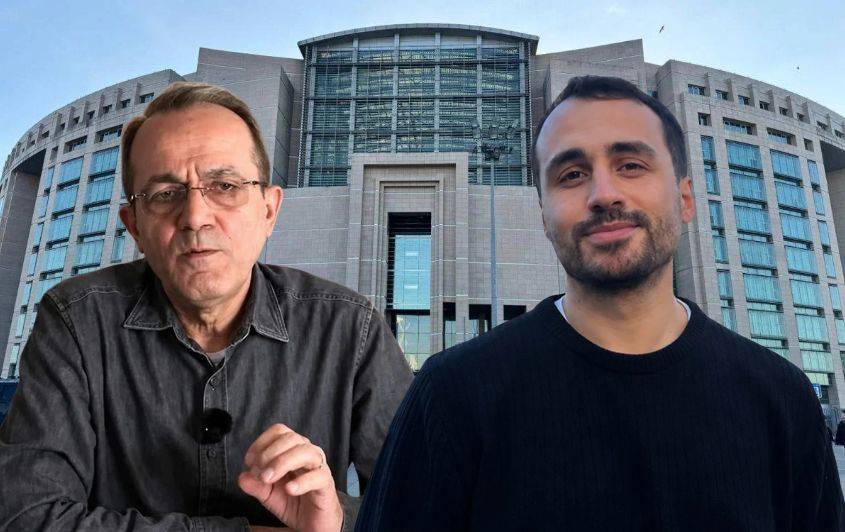

In a significant development within Turkey’s legal and media landscape, two journalists face serious criminal charges for their social media posts regarding a concert attended by ruling party spokesperson Ömer Çelik. Prosecutors are recommending sentences of up to 10 years and 10 months for one journalist, while the other could face 18 years and 11 months. The case emerges against the backdrop of a broader investigation into an investment fund scandal, linking attendees at the concert to allegations of financial misconduct.
The indictment, accepted by the İstanbul 43rd Penal Court, accuses the journalists of disseminating misleading information and slandering a public official. This arrest and indictment represent a troubling trend in press freedom in Turkey, where government scrutiny of the media has intensified in recent years. The situation raises critical questions about the state of journalism and the boundaries of free speech in the country.
| Article Subheadings |
|---|
| 1) Details of the Indictment |
| 2) Circumstances of Arrest |
| 3) Connection to the Investment Fund Scandal |
| 4) Reactions from the Media and Public |
| 5) Implications for Press Freedom in Turkey |
Details of the Indictment
The Istanbul Chief Public Prosecutor’s Office has formally indicted journalists Mustafa Balcı and Şaban Sevinç on multiple charges, including “publicly disseminating misleading information,” “slander,” and “publicly insulting a public official.” The indictment revolves around social media posts and reporting related to an August concert by the Limak Philharmonic Orchestra in Muğla, where Ömer Çelik attended along with Osman Arıkan Nacar, a suspect in an ongoing investment fund investigation. The prosecutors allege that the journalists’ commentary misrepresented facts regarding the concert and its attendees, resulting in significant damage to Çelik‘s public reputation.
The indictment cites specific posts made by the journalists, indicating that the wording and implications of their messages were likely to affect the public’s perception of Çelik. One post allegedly portrayed the event’s expenses in a misleading light, which prosecutors argue misled the public about the nature of Çelik‘s participation in the concert. This incident has turned into a focal point of a larger examination into how officials may leverage their power against journalists.
Circumstances of Arrest
On October 9, both journalists were taken into custody and subsequently placed in pretrial detention. This swift action follows the allegations of misleading reporting and has sparked a significant outcry regarding the treatment of journalists in the country. The police actions were conducted shortly after the prosecutor’s office announced the charges, leading to concerns about the lack of legal protections for media representatives. The arrests highlight a troubling trend where government critiques and social media posts can lead to severe criminal repercussions for journalists.
Their arrest occurs in a context of heightened restrictions on freedom of expression in Turkey, with many journalists previously facing similar legal challenges. Observers have noted that the government has increasingly sought to control narratives around significant political and economic issues. There are fears that such arrests will have a chilling effect, discouraging journalists from covering controversial topics or scrutinizing public officials for fear of reprisal.
Connection to the Investment Fund Scandal
The concert becomes a nexus linking the journalists to a broader investigation involving Osman Arıkan Nacar, who is alleged to have relevant connections to a scandal involving fraudulent investment funds. Reports indicate that Nacar was connected to transactions worth about 20 billion Turkish lira and has since left the country amid ongoing investigations. Ali Göl, another suspect related to this case, has already been arrested, putting further scrutiny on Nacar‘s association with Çelik.
The investigation began following anomalies detected by prosecutors regarding transactions in several funds and stocks, leading to a massive clampdown on implicated businesses and individuals. As part of a larger crackdown, the Capital Markets Board ordered the liquidation of 131 funds on September 17 following significant public outcry regarding unusual profit margins and alleged fraudulent activities. The pattern of detentions and ongoing investigations has showcased a growing resolve by authorities to address perceived financial misconduct, albeit tangled in a web of legal jeopardy for those reporting on such matters.
Reactions from the Media and Public
Reactions to the arrests and indictment have been swift and critical, with widespread condemnation from media organizations and human rights groups. Many advocate for press freedom and call for the protective measures to be enforced for journalists, asserting that their work is essential to a functioning democracy. The arrests have drawn attention to the broader implications of state control over media and the potential for misuse of powers to stifle dissenting voices.
Prominent media outlets have issued statements expressing solidarity with Balcı and Sevinç, emphasizing that the freedom to report is a cornerstone of democracy and that such legal actions represent an attack on that freedom. The case has ignited public discussions about the implications for journalism in Turkey, prompting many to demand clearer legal protections against government overreach in the media sector. The potential for intimidation through legal action against reporters serves to undermine public trust in news and information dissemination.
Implications for Press Freedom in Turkey
The case against Mustafa Balcı and Şaban Sevinç raises profound concerns about the state of press freedom in Turkey. Over the past decade, the country has witnessed increasing limitations on media freedom, evidenced by numerous journalists facing detainment, prosecution, or exile due to their reporting. With this latest incident, critics argue that it exemplifies a deliberate strategy to suppress critical voices and control narratives that challenge the government.
As legal proceedings unfold, the implications for journalism will be closely monitored both within Turkey and by international observers. There are fears that this precedent could discourage investigative reporting, making journalists more cautious in covering topics involving government officials or financial institutions. The outcome of the forthcoming court hearings will likely influence future media practices and the landscape of political reporting in the country.
| No. | Key Points |
|---|---|
| 1 | Two journalists have been indicted for social media posts about an investment fund scandal. |
| 2 | Prosecutors are seeking heavy prison sentences, indicating severe repercussions for journalistic activity. |
| 3 | The case illustrates ongoing challenges to press freedom in Turkey. |
| 4 | The indictment links the journalists’ reporting to allegations of financial misconduct involving public officials. |
| 5 | Public and media reactions highlight the broad concern over government actions against critical reporting. |
Summary
The indictment of Mustafa Balcı and Şaban Sevinç for their reporting surrounding a controversial concert attended by a ruling party official raises serious questions about the future of journalism in Turkey. The potential sentences they face reveal a broader trend of increasing government control over media and illustrate the precarious situation in which journalists operate within the country. As society remains vigilant, the response to such instances of censorship will determine the health of democratic principles in Turkey.
Frequently Asked Questions
Question: What charges are the journalists facing?
The journalists are charged with “publicly disseminating misleading information,” “slander,” and “publicly insulting a public official.”
Question: What is the significance of the concert in this case?
The concert is significant as both journalists attended and reported on it, where a ruling party spokesperson was present alongside a suspect linked to a major investment fund scandal.
Question: How have the arrests affected the media landscape in Turkey?
The arrests have heightened concerns over press freedom in Turkey, showing a trend of government repression against journalists critical of state actions and policies.
