

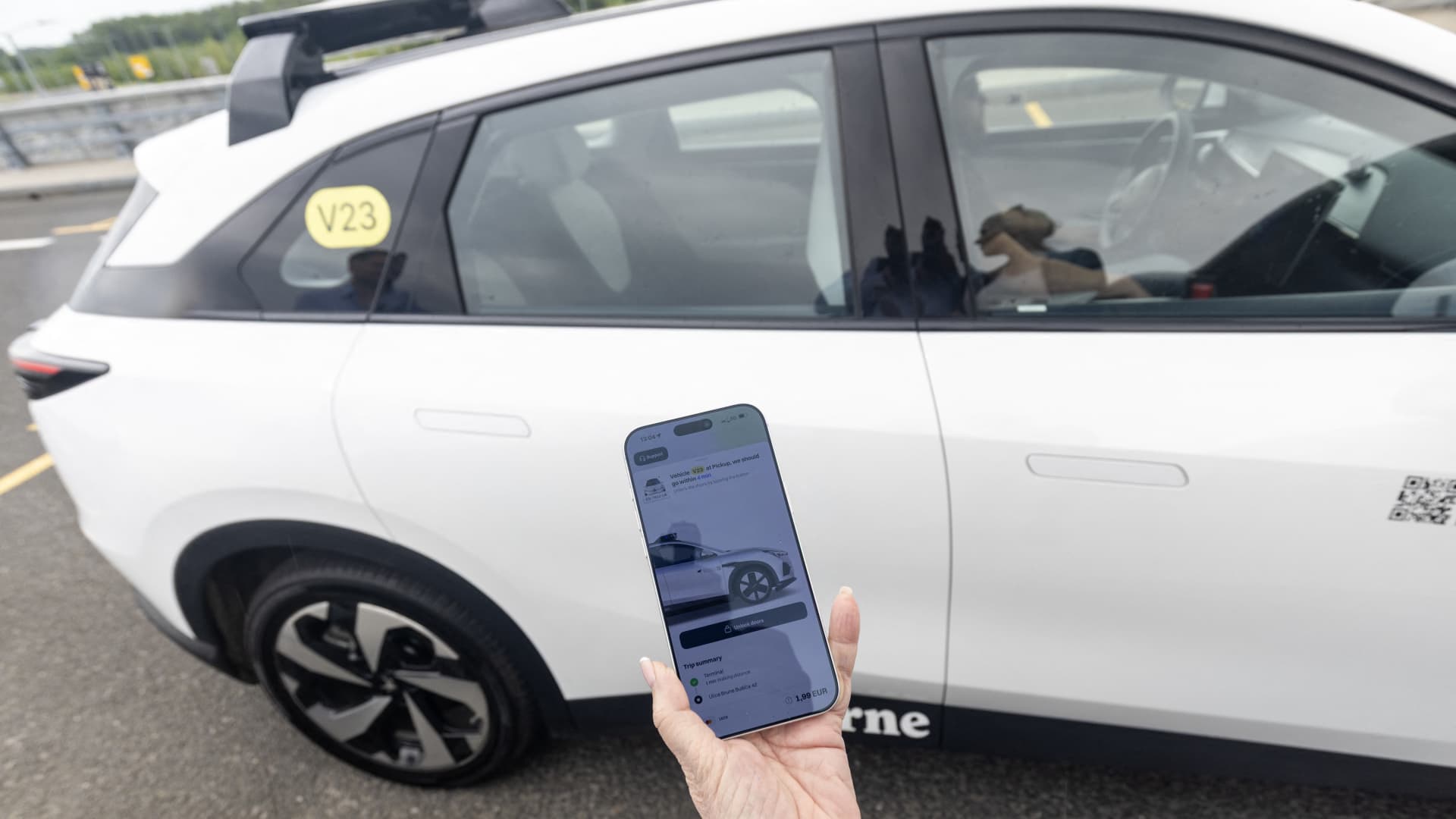

In a significant development in the realm of autonomous transportation, Uber and its partner Pony.ai have launched a commercial robotaxi service in the capital city of Zagreb, Croatia. Initiated in late March 2026, this service is touted as the first robotaxi operation in Europe. As part of a broader strategic plan, the companies are set to expand their robotaxi coverage to four additional European cities and the Middle East, aiming to deploy a total of 2,000 self-driving taxis across the continent.
| Article Subheadings |
|---|
| 1) Launch of Robotaxi Services in Zagreb |
| 2) Expansion Plans Across Europe |
| 3) The Competitive Landscape of Robotaxi Operators |
| 4) Collaboration with Local Entities |
| 5) Future Prospects for Autonomous Vehicles |
Launch of Robotaxi Services in Zagreb
In a notable milestone for transportation innovation, Uber, along with Pony.ai, initiated a robotaxi service in Zagreb, Croatia, in late March 2026. This launch represents the first operation of its kind in Europe, integrating sophisticated self-driving technology developed by Pony.ai into the ride-hailing model popularized by Uber. The service aims to provide efficient and accessible transport options to residents and visitors of Zagreb, marking a pivotal moment in the evolution of urban mobility.
The robotaxi service has been designed to operate in a fully autonomous manner, utilizing a comprehensive array of sensors and real-time data processing to navigate city streets. This technological approach exemplifies how artificial intelligence is reshaping several sectors, including transportation. Users can hail a ride via Uber’s established app, experiencing a seamless blend of digital convenience and innovative vehicle technology.
Operational since its launch, the robotaxis in Zagreb have begun collecting valuable data regarding vehicle performance, passenger experiences, and urban traffic patterns. This data not only helps in enhancing service quality but serves as crucial evidence to satisfy regulatory safety requirements, which is a significant barrier to expansion in Europe.
Expansion Plans Across Europe
Following the successful launch in Zagreb, the partnership between Uber and Pony.ai is poised for further expansion. The companies have announced plans to introduce their robotaxi service to four additional European cities, although specific locations and timelines remain undisclosed. This strategy reflects a calculated move to enhance their operational footprint in Europe, addressing regional transportation demands through self-driving technology.
The decision to expand is part of Uber’s broader vision to establish itself as a leader in the autonomous vehicle market. By deploying a larger fleet of self-driving vehicles, the companies aim to gather extensive operational data essential for proving the safety and efficacy of autonomous transportation solutions. The goal is to optimize the user experience while ensuring adherence to stringent regulatory standards across different jurisdictions.
The strategic importance of such expansions lies not only in increasing operational capacity but in enhancing public trust in autonomous technologies. As potential users experience the convenience of robotaxis in a local context, it could lead to increased acceptance of such services, which historically have faced skepticism related to safety and reliability.
The Competitive Landscape of Robotaxi Operators
As Uber and Pony.ai venture into the European robotaxi market, they are entering a competitive landscape that includes established players such as Waymo and emerging companies like Baidu’s Apollo Go and WeRide. Waymo, backed by Alphabet, currently leads the global market, operating an extensive fleet of approximately 5,000 vehicles predominantly in the United States. The company is also testing its services in London and has plans to expand into several major European economies.
The challenge for Uber and Pony.ai will be to differentiate their services amidst such competition. The data-driven approach to operational safety and efficiency will be crucial in building a competitive edge. According to market analysts, a robust fleet is essential for both gathering data needed for regulatory compliance and for making autonomous transport services more appealing to consumers.
Additionally, the involvement of Chinese companies signals a globalization of the autonomous vehicle sector, with players from different regions seeking to establish their presence in various international markets. Hence, Uber’s collaboration with these companies not only emphasizes the technological synergy but also the necessity of partnerships to navigate regulatory landscapes effectively.
Collaboration with Local Entities
Recognizing the complexities and challenges of operating in different markets, Uber has made efforts to engage with local partners and authorities. In Spain, for instance, Uber announced plans with WeRide to pilot the first robotaxi service in Madrid, scheduled for later this year. This approach underlines the understanding that collaboration with local entities can greatly aid in overcoming hurdles while complying with region-specific regulations.
Moreover, Uber’s Japanese subsidiary is working with a local taxi operator to manage daily operations for its robotaxi test deployment in Tokyo. Such partnerships are vital as they leverage local expertise to navigate cultural expectations and operational realities, further enhancing service acceptance among users.
Through these collaborations, Uber aims to create a comprehensive ecosystem that supports the successful rollout of its autonomous services while fostering goodwill with local communities. By demonstrating a commitment to integrating into the existing transportation infrastructure, Uber can build trust and effectively manage public perception of autonomous vehicle technologies.
Future Prospects for Autonomous Vehicles
As the world increasingly shifts toward automated and electric vehicles, Uber’s ambitions reflect a broader trend in the automotive industry. The company’s CEO, Dara Khosrowshahi, articulated Uber’s vision to become “the world’s leading commercialization platform for autonomous vehicles.” This ambitious goal not only involves capitalizing on existing market opportunities but also entails a robust data strategy that emphasizes the importance of accumulating operational insights to enhance future developments.
The future of autonomous vehicles looks promising, albeit filled with challenges that public acceptance and government regulations will shape. The continuous evolution in technology, combined with strategic partnerships, could pave the way for widespread adoption of autonomous services. As these vehicles become integral to urban mobility solutions, they have the potential to significantly alter transportation dynamics, leading to reduced congestion and improved access to mobility for all demographics.
Ultimately, the success of robotaxi services hinges on the effectiveness of collaborating entities to cultivate an operational environment that prioritizes safety, efficiency, and user satisfaction.
| No. | Key Points |
|---|---|
| 1 | Uber and Pony.ai launched a robotaxi service in Zagreb, Croatia, marking the first operation of its kind in Europe. |
| 2 | The partnership plans to expand robotaxi services to four more cities across Europe and to the Middle East. |
| 3 | The competitive landscape includes major players like Waymo, as well as emerging companies in Europe and Asia. |
| 4 | Collaborations with local authorities are essential for successful implementation and public acceptance of robotaxi services. |
| 5 | The future of autonomous vehicles looks promising, driven by advancements in technology and strategic partnerships. |
Summary
The introduction of robotaxi services by Uber and Pony.ai in Zagreb epitomizes a significant leap towards the commercialization of autonomous vehicle technologies in Europe. This initiative not only serves to enhance urban mobility but also sets the stage for broader acceptance and integration of self-driving cars into the transportation ecosystem. As the companies continue to expand their services, collaboration with local partners will be pivotal in navigating regulatory frameworks and fostering public trust in this emerging sector.
Frequently Asked Questions
Question: What are robotaxis?
Robotaxis are self-driving vehicles that provide taxi services without the need for a human driver. They are designed to navigate and transport passengers autonomously.
Question: How does Uber’s robotaxi service work?
Users can hail a ride using the Uber app, which connects them with a nearby robotaxi equipped with autonomous driving technology, allowing for a fully automated transport experience.
Question: What is the significance of the data collected by robotaxis?
Data collected from robotaxi operations is crucial for demonstrating safety, improving operational efficiency, and meeting regulatory requirements. It also helps in enhancing the overall user experience.
