

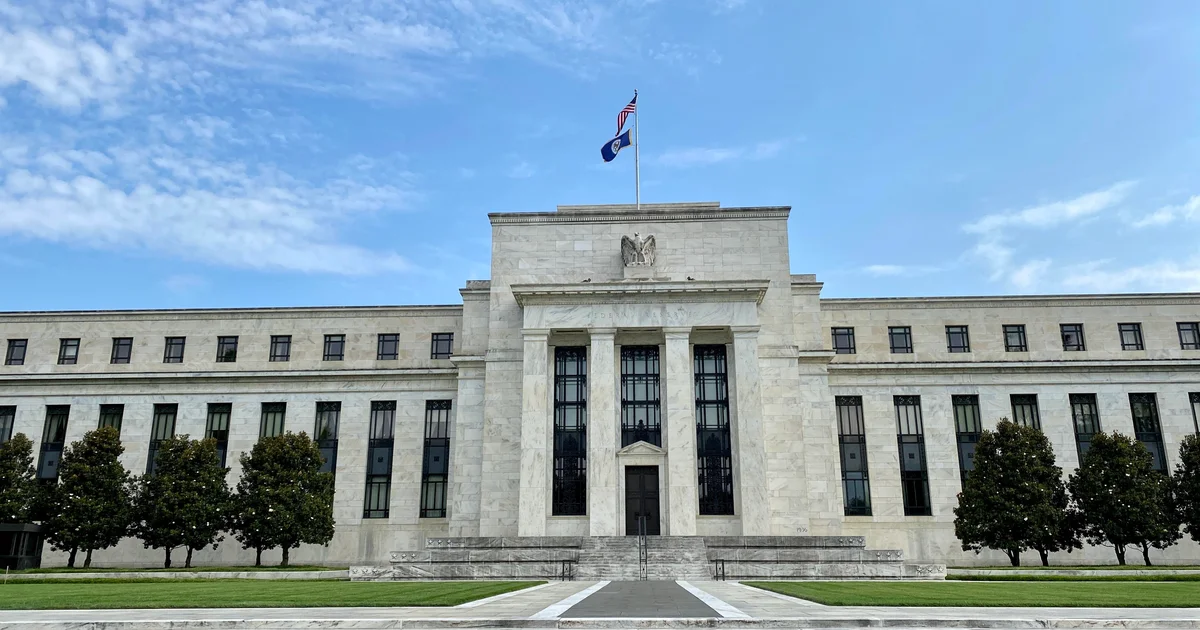

The Federal Reserve has opted to maintain its interest rates steady following a recent increase aimed at controlling inflation. The central bank’s decision to keep the federal funds rate at a range of 3.75% to 4% reflects a combination of economic growth and rising prices that continue to impact consumers. With the midterm elections approaching in the United States, concerns about affordability loom large, and the Fed’s stance aims to address these issues while navigating complex economic indicators.
| Article Subheadings |
|---|
| 1) Federal Reserve’s Decision on Interest Rates |
| 2) Analysis of Inflation Trends |
| 3) Internal Divergence Among Fed Officials |
| 4) Consumer Implications of Fed Stance |
| 5) Future Policy Outlook and Meeting Changes |
Federal Reserve’s Decision on Interest Rates
On Wednesday, the Federal Reserve announced its decision to keep interest rates unchanged as concerns about inflation continue to dominate economic discussions. The target range for the federal funds rate remains at 3.75% to 4%, a move that comes just a month after the bank implemented its first rate hike in three years. This latest decision underscores the Fed’s cautious approach, balancing the need to control rising prices while also fostering economic growth.
The central bank, in its official statement, indicated that economic activity is currently expanding at a “strong pace,” although inflation persists at elevated levels. Fed officials emphasized the need for ongoing assessment to determine the right policy adjustments to ensure inflation returns to its target goal of 2%. This discussion is particularly pertinent as the upcoming midterm elections approach, with issues of affordability and economic stability becoming focal points for voters.
Analysis of Inflation Trends
Despite positive economic indicators such as robust consumer spending and healthy growth, inflation remains stubbornly high. During a press conference, even the Fed Chairman, Kevin Warsh, remarked on how inflation “is still too high,” signifying a clear message that significant challenges lie ahead. This persistence has raised concerns as inflation has consistently outpaced the Fed’s objectives, with rates above the target for nearly six years.
Recent data shows that the core Consumer Price Index has risen, reflecting pressures from both domestic spending and international factors such as the ongoing conflict in the Middle East, which has kept energy prices elevated globally. Economists point out that this inflationary pressure complicates the task of stabilizing prices, as both consumer demand and external economic influences factor into the overall economic landscape.
Internal Divergence Among Fed Officials
The recent Fed meeting highlighted notable dissent within the Federal Open Market Committee (FOMC), revealing differing opinions on the path forward. While the majority voted to hold the current rates, two members—Lisa Cook, a Fed Board Governor, and Beth Hammack, President of the Cleveland Federal Reserve Bank—advocated for an increase by 0.25 percentage points. This divergence signifies not only differing strategies within the Federal Reserve but also indicates a robust debate on the best method to navigate the current economic climate.
During discussions, Warsh highlighted this internal debate, suggesting it was a constructive dialogue aimed at achieving the optimal outcome for the U.S. economy. Many on Wall Street had anticipated a pause in interest rate adjustments, but the contrasting views among Fed officials have set the stage for potential future changes. Analysts predict that forthcoming decisions will be even more critical as the Fed prepares for its next meeting in December and beyond.
Consumer Implications of Fed Stance
For consumers, the Fed’s decision to pause rates brings both relief and uncertainty. The federal funds rate directly influences borrowing costs across the economy, affecting loans, credit cards, and auto loans. A stable rate now could provide homeowners and potential borrowers with breathing room as the holiday season approaches, reducing the immediate financial strain of rising interest rates amidst consumer purchasing.
However, analysts caution that the Fed’s pause does not eliminate the potential for future rate increases, especially as inflationary pressures persist. According to experts like Linda Bell from Bankrate, while current rates may be relatively favorable, upcoming increases might lead to higher costs for consumers looking to borrow. Matt Schulz, a chief consumer finance analyst at LendingTree, noted that holiday spending could result in elevated costs that consumers must manage, especially if the Fed decides to raise rates post-December.
Future Policy Outlook and Meeting Changes
As part of the Fed’s evolving strategy, Warsh announced an upcoming shift in the meeting structure, starting in 2027. While the committee will continue to meet eight times annually, one meeting will be dedicated solely to strategic discussions on monetary policy, without issuing direct rate decisions or formal policy statements. This change reflects a desire for more thoughtful and less reactionary decision-making about monetary policy.
The changing landscape of Fed meetings aims to foster a more comprehensive dialogue among policymakers. Warsh suggests that this approach will allow the committee to engage deeply with complex economic questions, encouraging diverse perspectives to refine their monetary policy strategy moving forward. As policymakers adapt to these changes, the economic outlook remains contingent upon external factors and domestic consumer behavior.
| No. | Key Points |
|---|---|
| 1 | The Federal Reserve maintains its federal funds rate at 3.75% to 4% to combat ongoing inflation. |
| 2 | Inflation remains a primary concern as it has been above the Fed’s target for nearly six years. |
| 3 | Two members of the FOMC voted for a rate hike, indicating internal dissent within the Fed. |
| 4 | Consumers may benefit from the Fed’s pause in rate hikes but should remain cautious of future increases. |
| 5 | The Fed plans to dedicate future meetings to strategic discussions on monetary policy without immediate rate decisions. |
Summary
The Federal Reserve’s decision to hold interest rates steady amidst persistent inflation illustrates a careful balancing act between maintaining economic growth and addressing rising prices. With internal disagreements among Fed officials about the best approach forward, the situation remains fluid. As inflationary pressures continue to affect consumers and economic indicators evolve, it is crucial for stakeholders to remain vigilant regarding forthcoming rates, especially with impactful consumer spending season on the horizon.
Frequently Asked Questions
Question: What is the current federal funds rate?
The current federal funds rate is maintained at a target range of 3.75% to 4% as set by the Federal Reserve.
Question: Why is inflation a concern for the Federal Reserve?
Inflation is a concern as it affects consumer purchasing power and has been running significantly above the Fed’s goal of 2%, complicating economic stability.
Question: What changes are being made to the Fed’s meeting structure?
Starting in 2027, one of the Fed’s meetings will focus on strategic discussions of monetary policy without making immediate decisions or issuing statements on interest rates.
