

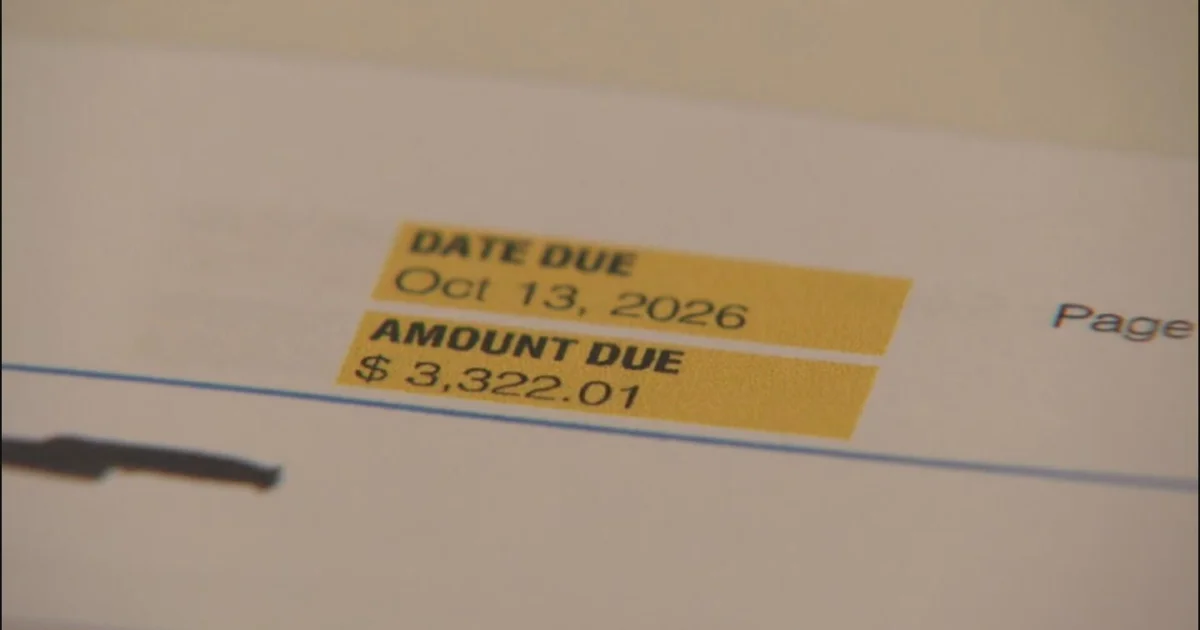

The Los Angeles Department of Water and Power (LADWP) is facing significant scrutiny following recent steep utility rate hikes affecting its customers, some experiencing increases in their bills by thousands of dollars. Amid these controversies, the LADWP Board of Commissioners has moved to initiate a review of the agency’s rate structures and their application to individual customers. This response comes after concerns about not only the skyrocketing utility costs but also the high salaries of LADWP executives, prompting calls for greater transparency and modernization of the rate system that many Angelenos rely on for essential services.
| Article Subheadings |
|---|
| 1) Overview of the LADWP Rate Hikes |
| 2) The Need for a Comprehensive Review |
| 3) Comparing LADWP to Other Utility Companies |
| 4) The Future of Utility Rates in Los Angeles |
| 5) Possible Solutions for LADWP Customers |
Overview of the LADWP Rate Hikes
In recent months, the LADWP has implemented a series of rate hikes that have dramatically affected consumers across Los Angeles. Reports indicate that these increases have surpassed 45% in the last year, a significant jump compared to other regional utilities such as Southern California Edison, which has only raised rates by about 4%. This spike has led customers to bear the brunt of escalating utility costs, with some residents reporting bills that have pushed into the thousands, raising alarm among advocacy groups and officials alike.
Tim O’Connor, the executive director of LA’s Office of Public Accountability, highlighted that the review aimed to evaluate the agency’s rate structure is a vital step, emphasizing the need for transparency in how these rates are applied. As the costs have surged, many customers have expressed confusion and dissatisfaction with their bills, prompting a debate over the fairness and clarity of the utility’s pricing structure.
The Need for a Comprehensive Review
On a recent Tuesday, the LADWP Board of Commissioners voted in favor of a resolution to undergo a comprehensive review of its rates and structures. The request seeks to address not only the rising rates but also aims to modernize the existing rate application processes. The current rate structures, according to some advocates, were designed over a decade ago and do not adequately reflect the evolving needs of the consumer base and technological advancements in energy usage and efficiency.
O’Connor noted, “Our rates were designed over 10 years ago, and a lot has changed since then.” He emphasized the importance of adapting to contemporary energy demands, including incentivizing customers to utilize energy more efficiently and harnessing new technologies that can help manage consumption effectively. Such improvements in the rate structure are expected to empower consumers with data and tools to manage their energy use more effectively.
In response to the public outcry over high bills, O’Connor expressed optimism about the review’s potential outcomes, remarking that “the devil’s going to be in the details” – suggesting that while the review is important, the method of its execution will be crucial in determining its effectiveness in alleviating customer concerns.
Comparing LADWP to Other Utility Companies
One major point of discussion surrounding the recent rate increases is how LADWP’s utility rates stack up against other utility providers in the Southern California region. While LADWP has implemented significant rate hikes, studies show that the department’s rates may still be lower than other providers, such as Glendale Water and Power and Southern California Edison. However, the widespread perception of LADWP’s prices having surged recently remains prevalent among customers, creating confusion amidst the statistics.
A recent analysis from the UCLA School of Law Emmett Institute on Climate Change and the Environment demonstrated that LADWP’s rates have indeed surged significantly, drawing attention from consumer advocates like Denise Grab, who argued that these increases are “significantly in excess of inflation.” The continued conversation about the utility’s rates will likely focus on how they align with the industry standards while also ensuring affordability for consumers, particularly as the state navigates the challenges posed by climate change and infrastructure demand.
The Future of Utility Rates in Los Angeles
As LADWP anticipates further increases in utility rates, forecasts indicate that these rates may continue to escalate due to several factors, including aging infrastructure, wildfire prevention initiatives, and increased energy demands during extreme weather conditions. Officials and analysts warn that the economic landscape could dictate that utility costs may more than double in the coming years.
Grab cautioned that a combination of deferred maintenance on the utility’s infrastructure and the need for capital projects is contributing to the current financial strain on LADWP, which is now playing “catch-up” after years of lower-than-average rates. The added pressure on the utility system highlights a growing need for both transparency in pricing and investment in sustainable solutions that can help mitigate future rate spikes.
As the utility prepares for these future challenges, it remains critical for LADWP to engage with its customers and communicate clearly regarding upcoming changes to rates, particularly as many residents begin experiencing “sticker shock” from their utility bills.
Possible Solutions for LADWP Customers
To address the growing concerns over rising utility costs, officials have suggested various strategies that could assist LADWP customers moving forward. One significant change being considered is the rollout of smart meters, which LADWP indicates will allow customers to receive real-time feedback regarding their energy usage. This technology aims to help consumers better understand their energy consumption, potentially leading to lower bills through smarter energy management.
Communication is also essential, as leaders stress the importance of educating customers about the factors influencing their bills, including seasonal variations in rates and strategies to reduce consumption during peak demand periods. O’Connor highlighted that LADWP needs to enhance its customer engagement strategies to ensure that customers are equipped to make informed decisions about their energy usage.
Advocates also propose reevaluating the compensation structures for low-income supportive rates, suggesting that the criteria for eligibility should better reflect the cost of living in Los Angeles. By adjusting guidelines to mirror local economic conditions, officials aim to alleviate financial burdens for those most impacted by rising utility costs, ensuring that essential services remain accessible to all households.
| No. | Key Points |
|---|---|
| 1 | LADWP has raised utility rates by over 45% in the past year |
| 2 | The LADWP Board has initiated a comprehensive review of its rate structures |
| 3 | Comparative analysis shows LADWP rates are lower than some regional providers |
| 4 | Future rate increases are anticipated due to several economic and environmental factors |
| 5 | Smart meters and improved communication with customers are proposed solutions |
Summary
The increasing utility rates imposed by the LADWP have created a substantial burden for many Angelenos, bringing to light the necessity for considerable changes within the agency’s rate management practices. The Board’s resolution for a comprehensive review exemplifies a proactive stance towards addressing the issues garnered by rising costs but highlights the equally important need for transparent communication with customers and modernization of existing structures. The collective efforts of officials, advocates, and customers will be crucial in navigating these challenges and ensuring that essential services remain equitable and affordable for all those they serve.
Frequently Asked Questions
Question: What are the reasons for the recent LADWP rate increases?
The significant rate increases can primarily be attributed to enhanced capital projects, aging infrastructure, deferred maintenance, and the necessity to cope with increased energy demands in light of climate change.
Question: How does LADWP’s rate compare to other utility providers?
While LADWP’s rates have seen significant increases, studies indicate that they generally remain lower than those of other regional utilities, such as Glendale Water and Power and Southern California Edison, although reports of steep hikes have caused concern among customers.
Question: What measures are being considered to ease the burden on customers?
Proposed measures include implementing smart meters to provide real-time feedback, enhancing communication regarding rate calculations, and reevaluating supportive rates for low-income households to ensure affordability amid rising utility costs.
