

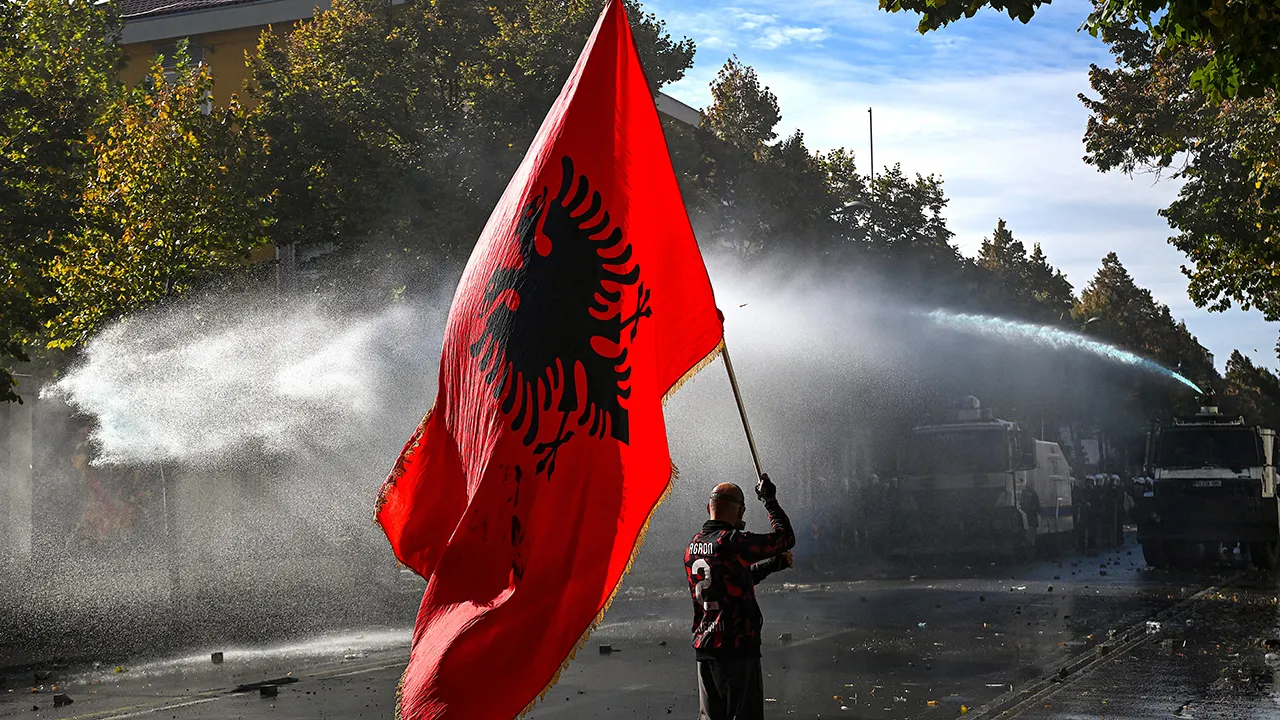

In a significant move expressing concern over Albania’s democratic stability, two Republican lawmakers have addressed a letter to Secretary of State Marco Rubio. The letter highlights alarming instances of democratic backsliding and systemic corruption within the nation, a NATO ally and EU candidate. The representatives are advocating for U.S. intervention through visa restrictions targeting Albanian officials implicated in corruption and requesting accountability measures as protests erupt in Albania’s capital city, Tirana, demanding governmental change.
| Article Subheadings |
|---|
| 1) Lawmakers Express Concerns Over Albanian Democracy |
| 2) Details of the Congressional Letter |
| 3) Nationwide Protests and Their Implications |
| 4) Government Responses and Ongoing Challenges |
| 5) A Look at the Path to EU Membership |
Lawmakers Express Concerns Over Albanian Democracy
In a letter dated recently, two Republican members of Congress, Joe Wilson of South Carolina and Keith Self of Texas, conveyed their increasing alarm over the deterioration of democracy in Albania. This communication comes in light of the United States’ long-standing commitment to supporting democratic reforms in the country. As a NATO ally, the U.S. has vested interests in Albania’s political landscape and democratic integrity, especially as the nation aspires to join the European Union. The letter’s urgency reflects a growing unease regarding the Albanian government’s ability to maintain transparency and accountability, amid rising allegations of corrupt practices.
Details of the Congressional Letter
The letter directed to Secretary Rubio explicitly urges the exploration of diplomatic avenues to hold corrupt officials accountable. It draws attention to Section 7031(c) of the Department of State, Foreign Operations and Related Programs Appropriations Act. This provision allows the State Department to impose visa restrictions on individuals implicated in significant corruption. Specifically, the lawmakers requested that Albanian officials who misuse their power or engage in corrupt practices be designated under this authority, which could send a strong message about the U.S. stance on corruption and governance in Albania.
The congressmen have requested responses to several key inquiries by November 5, including whether the State Department is scrutinizing the actions of Albanian officials and engaging with local governance to ensure the safety of protestors and journalists. They also seek clarity on the support being extended to Albania’s justice reforms, which have been a focal point of U.S. foreign assistance in the region.
Nationwide Protests and Their Implications
Simultaneously, protests have gripped Albania’s capital, Tirana, as demonstrations against governmental corruption and deteriorating educational conditions swiftly escalate. Following weeks of student-led protests, unrest erupted into violence, with demonstrators clashing with police and expressing sharp dissatisfaction with Prime Minister Edi Rama‘s administration. Protesters are demanding accountability for rampant corruption, improved educational opportunities, and a governmental leadership that they believe reflects the will of the people.
The protests intensified after accusations surfaced against government officials, including an ongoing case against former Deputy Prime Minister Belinda Balluku, who is facing scrutiny for alleged misconduct in public procurement. Public sentiment is fueled by a perception that current political leaders are systematically shielding themselves from accountability, further undermining democratic institutions.
Government Responses and Ongoing Challenges
Prime Minister Edi Rama, facing calls for his resignation, remains defiant. He has characterized the protesters as being influenced by external forces opposed to Albania’s EU ambition, suggesting that they represent organized crime rather than legitimate grievances. His administration has proposed engaging in dialogue with protest leaders but has not committed to stepping down or implementing significant reforms. This standoff raises concerns over the government’s use of force against its citizens, with reports of riot police clashing with demonstrators and accusations of excessive violence.
U.S. lawmakers have expressed that the ongoing violence represents a critical juncture for Albania and its aspirations for European integration. As the protests continue, the government’s response to citizen demands will significantly influence its standing with both the domestic populace and the international community.
A Look at the Path to EU Membership
Albania’s journey toward EU membership has been fraught with challenges. Although it gained candidate status in 2014, the road ahead is complicated by ongoing issues of corruption and governance. Recent European Commission reports have noted Albania’s progress in judicial reforms, but the latest unrest has brought to the forefront the persistent shortcomings in political accountability and anti-corruption efforts.
As Albania grapples with internal dissent and external pressures, it also faces scrutiny from EU officials who emphasize the need for meaningful reforms and adherence to democratic principles. The parallel drawn between Albania’s protests and similar movements in neighboring countries, particularly Serbia, highlights a regional trend of citizens demanding greater accountability from their governments. The long-term implications of Albania’s current crisis will likely affect its trajectory toward EU integration, underscoring the necessity of addressing public grievances and reforming governance to meet European standards.
| No. | Key Points |
|---|---|
| 1 | Two U.S. lawmakers express concern over democratic backsliding in Albania. |
| 2 | The congressional letter urges visa restrictions on corrupt Albanian officials. |
| 3 | Nationwide protests highlight public discontent with government corruption. |
| 4 | Albanian government facing backlash over its handling of civil unrest. |
| 5 | Albania’s path to EU membership complicated by ongoing unrest and corruption allegations. |
Summary
The unfolding events in Albania signal a pivotal moment for its democracy and aspirations for EU membership. The strong response from U.S. lawmakers underscores the international community’s concern regarding the country’s political trajectory and the urgent need for accountability and democratic reforms. As protests continue, the outcomes may shape Albania’s governance and its long-standing quest for European integration, making it crucial for leaders to address public grievances and work to restore trust in governmental institutions.
Frequently Asked Questions
Question: What prompted U.S. lawmakers to raise concerns about Albania?
U.S. lawmakers are alarmed by the democratic backsliding and corruption within the Albanian government, compelling them to advocate for visa restrictions on officials involved in corrupt practices.
Question: What are the key demands of the protesters in Albania?
Protesters are demanding the resignation of Prime Minister Edi Rama, accountability for government corruption, better educational opportunities, and a restoration of democratic institutions.
Question: How has the Albanian government responded to the protests?
The Albanian government, led by Prime Minister Edi Rama, has faced significant backlash but has refused to resign, instead proposing dialogue with protesters while accusing them of being influenced by external actors.
