

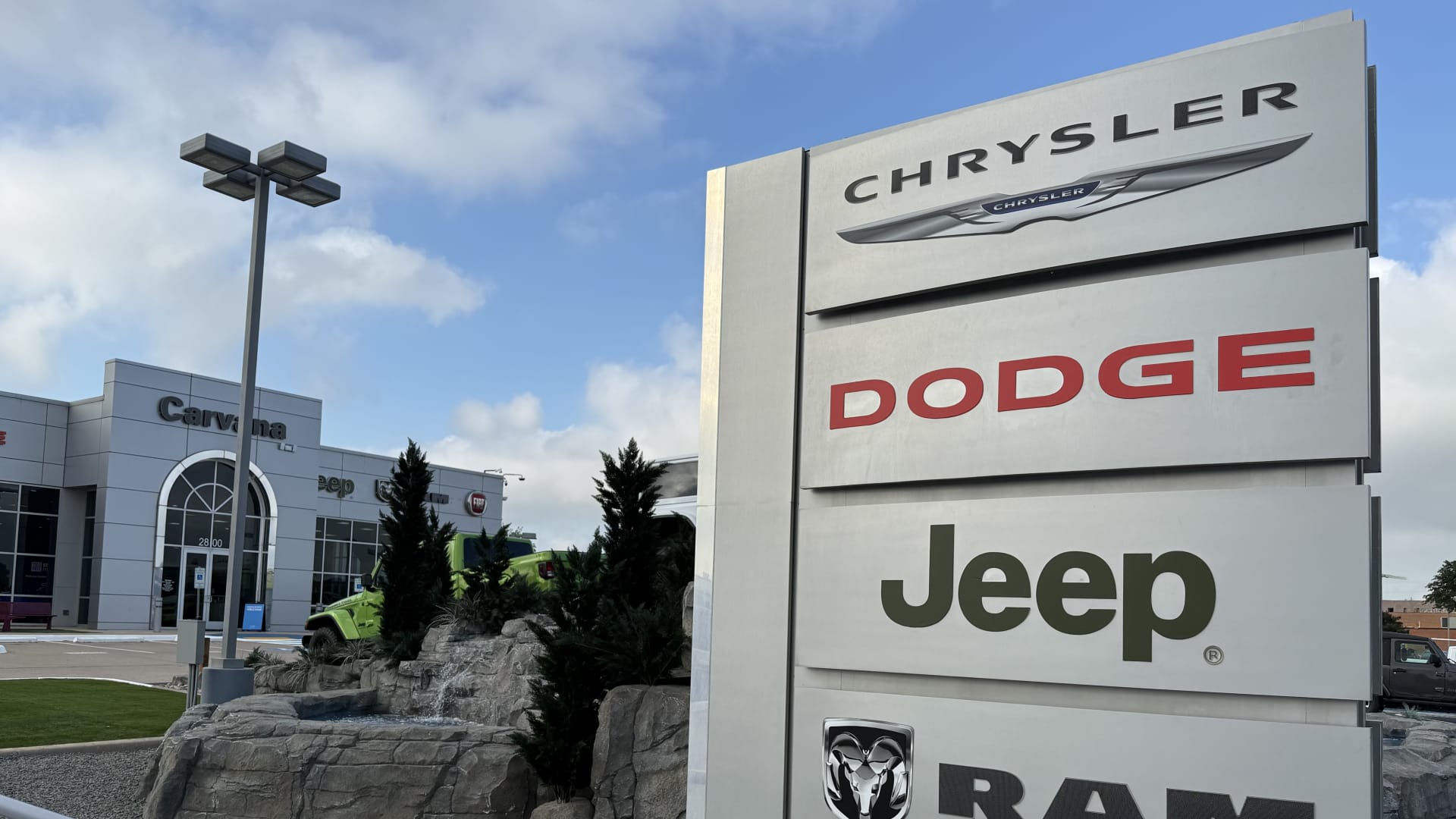

Shares in Stellantis saw a notable uptick on Wednesday following the release of the automotive giant’s third-quarter results, which indicated progress in its ambitious turnaround strategy. The company reported a modest revenue increase of 1%, alongside a substantial rise in adjusted operating income, positioning itself favorably as it looks toward future profitability. With a steadfast commitment to its 2026 financial guidance, Stellantis aims to emerge stronger in a competitive automotive market, despite facing challenges, particularly from domestic brands in China.
| Article Subheadings |
|---|
| 1) Strong Financial Performance in Q3 |
| 2) Future Growth Prospects and Guidance |
| 3) Challenges from Chinese Competitors |
| 4) Regulatory Support for European Car Manufacturers |
| 5) Market Reactions and Investor Insights |
Strong Financial Performance in Q3
Stellantis, the automotive conglomerate, reported a revenue boost to 37.6 billion euros for the third quarter, reflecting a 1% growth compared to the previous year. This increase comes even as the automotive market faces immense pressure from rising costs and competitive pricing strategies. The company also showcased an impressive surge in its adjusted operating income, which rose 184% to 256 million euros, signifying enhanced operational efficiency and a successful response to market dynamics.
The improvement in industrial free cash flow, moving from a negative 4.3 billion euros to negative 4 billion euros, further illustrates the company’s commitment to financial recovery. The management noted that while the quarter was challenging, expectations from investors were appropriately set lower, emphasizing that they are on track with their long-term financial objectives.
Analysts have noted a cautious optimism regarding Stellantis’ performance, particularly as the company has reconfirmed its guidance for 2026 to reach positive free cash flow. RBC Capital Markets analyst Tom Narayan commented that despite the softness of Q3 results, the maintenance of 2026 guidance amidst turbulent market conditions is a positive signal for investors.
Future Growth Prospects and Guidance
Stellantis CEO Antonio Filosa articulated confidence in the company’s trajectory during a recent investor call. The automaker has promised that its turnaround plan, initially announced in May, is ahead of schedule. Stellantis aims to surpass its target of achieving 6 billion euros in cost savings by 2028, with 2.4 billion euros expected to be realized by the start of 2027.
The company’s long-term guidance includes ambitious objectives such as a mid-single-digit percentage increase in net revenue and a low-single-digit adjusted operating margin by 2026. This strategy involves a significant investment of 36 billion euros across its vehicle portfolio, focusing on revitalization efforts in North America, where much of the cash will be allocated. Stellantis is committed to introducing new models, refreshing existing ones, and integrating innovative technologies that align with consumer demands.
By targeting a revenue growth trajectory from 154 billion euros last year to 190 billion euros by 2030, Stellantis aims for a sustainable future in the automotive sector, which includes an adjusted operating margin of 7%. This outlook highlights the company’s dedication to overcoming current hurdles and maintaining robust growth in the competitive automotive landscape.
Challenges from Chinese Competitors
Despite the positive financial indicators, Stellantis faces stiff competition from domestic Chinese car manufacturers such as BYD, Xiaomi, and Geely. These brands have increased their market share and significantly impacted sales for European automakers. Just this week, Porsche, a prominent player in the luxury segment, announced plans to reduce its market exposure in China due to declining sales.
Stellantis is not alone in grappling with the realities of a challenging automotive market in China; competitors such as Mercedes-Benz have also reported a slump in car sales attributed to an evolving and competitive market environment. This competitive pressure has led to significant market shifts, with domestic manufacturers making substantial advancements while European firms reassess their strategies.
In light of these developments, Filosa has actively called for greater regulatory support from European authorities to bolster local manufacturing and innovation within the region. He advocates for measures that would encourage and reward automakers who demonstrate a commitment to designing and engineering vehicles in Europe.
Regulatory Support for European Car Manufacturers
Antonio Filosa recently emphasized the necessity for regulatory changes to protect European car manufacturers against rising competition from China. He argued that there needs to be a framework in place that not only incentivizes production but also supports innovation and local engineering efforts. The call for regulation from Filosa highlights the risks posed by an increasingly competitive landscape, particularly from well-resourced domestic brands in China.
As the global automotive market shifts, the challenges posed by foreign competitors necessitate a robust response from European regulators to ensure that local manufacturers can thrive against aggressive pricing and marketing strategies driven by Chinese companies. Filosa’s remarks play an important role in the ongoing conversation about sustainable manufacturing practices and the future of the automotive industry in Europe.
Sustainable development in the automotive industry is becoming increasingly critical, and the need for EU-regulated incentives could potentially provide a competitive edge. By rewarding local manufacturers, European authorities can foster growth and innovation, ensuring the survival and resurgence of companies like Stellantis.
Market Reactions and Investor Insights
Following the positive third-quarter results, Stellantis shares experienced a significant boost, with the stock rising 13% to close at $4.69 in New York and a 15.4% increase to 4.28 euros in Milan. While these gains are encouraging, it is essential to recognize that overall share prices remain down since the beginning of 2023, reflecting the volatility and challenges present in the automotive market.
Market reactions suggest a cautiously optimistic outlook from investors who see the potential for long-term growth amid current challenges. Analysts remain vigilant, focusing on the company’s plans for growth, cost-cutting measures, and the strategic investments outlined in its comprehensive turnaround plan. Filosa’s reassurances and the solid third-quarter performance appear to have restored some confidence in Stellantis’ commitment to returning to profitability.
As Stellantis moves forward, investor attention will be directed toward the company’s ability to navigate competitive pressures while executing its long-term goals. The convergence of various market forces and Stellantis’ proactive measures promises to differentiate the company as it seeks to regain momentum and restore its market presence.
| No. | Key Points |
|---|---|
| 1 | Stellantis reported third-quarter revenues of 37.6 billion euros, marking a 1% year-on-year increase. |
| 2 | Adjusted operating income increased significantly by 184%, reaching 256 million euros. |
| 3 | The company reaffirmed its financial guidance for 2026, projecting significant cost-saving measures. |
| 4 | Stellantis faces intense competition from local Chinese brands, affecting market share and sales. |
| 5 | CEO Antonio Filosa called for regulatory changes to support European manufacturers against competitive pressures. |
Summary
The latest financial results from Stellantis reveal a company on the mend, demonstrating positive growth trajectories despite ongoing challenges in the automotive market. With its ambitious overhaul plans, the manufacturer aims to bolster its market position while addressing competitive pressures from sectors driven by Chinese brands. As Stellantis refocuses on its operational strategies, the commitment from leadership and the supportive stance of investors could pave the way for a more resilient automotive future.
Frequently Asked Questions
Question: What are Stellantis’ main strategies for financial recovery?
Stellantis is focusing on cost-saving measures, significant investments in new technologies and models, and enhancing operational efficiency as part of its broader turnaround strategy.
Question: How is the competition from Chinese manufacturers affecting Stellantis?
Competition from Chinese brands like BYD and Geely has intensified the market landscape, impacting sales and market share for Stellantis and other European manufacturers.
Question: What regulatory support does Stellantis seek from European authorities?
Stellantis calls for regulations that incentivize local manufacturing and innovation to better compete with aggressive pricing and sales strategies employed by Chinese car brands.
