

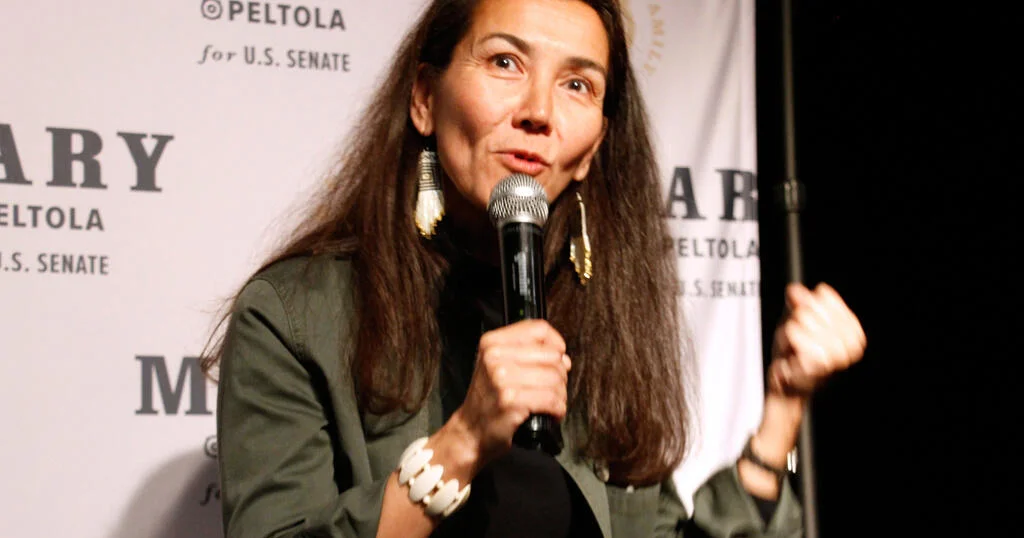

In a contentious Senate race in Alaska, Democratic candidate Mary Peltola has responded to heated scrutiny regarding a controversial ballot inclusion that could confuse voters. During a rally in Juneau, Peltola denied any involvement with a candidate sharing the same name as her Republican opponent, Dan Sullivan. This situation has resulted in a federal investigation and allegations of voter manipulation, leaving the electoral integrity of the upcoming election hanging in the balance.
| Article Subheadings |
|---|
| 1) Electoral Controversy Unfolds |
| 2) Peltola’s Public Denouncement |
| 3) The Role of Federal Investigations |
| 4) Responses from Key Figures |
| 5) Implications for the Election |
Electoral Controversy Unfolds
The ongoing Senate race in Alaska has assumed national attention due to allegations surrounding the ballot. Mary Peltola, a prominent figure in the Democratic party, finds herself at the center of a scandal involving a candidate named Daniel J. Sullivan, whose name closely resembles that of her Republican opponent, Dan Sullivan. Reports surfaced this week indicating that operatives linked to Peltola’s campaign may have played a role in facilitating this candidate’s entry onto the ballot. Such a situation raises critical questions about the potential for voter confusion and manipulation in an already competitive race.
The allegations were first reported by a major news outlet, which detailed the circumstances of how the “sham candidate,” as referred to by some, came to be on the same ballot as the incumbent Republican. The intricacies of this situation illustrate the challenges both candidates face in maintaining voter loyalty and clarity during a crucial period leading up to the election.
The political implications are substantial, particularly considering Alaska’s status as a battleground state where every vote counts. Both parties are keenly aware that the introduction of confusion can drastically affect the outcome of the elections, illuminating the importance of transparency and electoral integrity.
Peltola’s Public Denouncement
During a rally held at the state capital of Juneau, Mary Peltola took the opportunity to refute the allegations surrounding her campaign’s involvement with the candidate sharing her opponent’s name. She asserted, “I knew nothing about any other candidates on the ballot except for me and the incumbent. That is all I have ever known about.” Peltola’s firm denial seeks to distance her campaign from any intentional tactics aimed at manipulating the electorate, declaring her commitment to a fair election process.
The atmosphere at the rally was charged, and Peltola expressed her frustrations over the accusations, branding them as “smears and attacks.” She emphasized that her priority remains on key issues that matter to Alaskans, specifically pressing concerns around affordability. The emotional undertone of her remarks illustrates the personal impact of such intense scrutiny on her as a candidate.
Peltola’s denial signals a defensive posture, aiming to reestablish her credibility while countering the narrative that has emerged over the past few days. Her clarity in addressing these developments aims to reassure her supporters and voters alike about her integrity as a candidate.
The Role of Federal Investigations
In light of the unfolding controversy, federal authorities have stepped in to investigate the claims surrounding Daniel J. Sullivan. The Justice Department has filed a suit that may enable them to bar the election from being certified if it finds that voter confusion significantly influenced the results. The legal ramifications of this investigation could alter the course of the political landscape in Alaska substantially.
Prior to the federal intervention, state courts in Alaska allowed Daniel J. Sullivan to remain on the ballot despite numerous challenges, underscoring the complexity of election law in the state. This legal tussle emphasizes the need for clear guidelines and enforcement regarding electoral candidates, particularly when accusations of unethical practices come to light.
The federal probe raises questions about the integrity of the electoral process, showcasing the sometimes contentious relationship between state and federal jurisdictions in elections. Should the evidence confirm that Peltola’s campaign had sought to deceive voters, it could lead to severe consequences not just for her candidacy, but also for the legitimacy of the electoral process in Alaska.
Responses from Key Figures
Reactions to these events have been swift and varied, reflecting the high stakes of the situation. One notable response came from former President Donald Trump, who demanded the removal and prosecution of both Peltola and Daniel J. Sullivan, stating emphatically, “The Democrats cheated!” This stark accusation raises the temperature of an already heated electoral atmosphere.
On the state level, Governor Mike Dunleavy has initiated his investigation into whether any legal violations occurred. His actions indicate a serious dedication to maintaining electoral integrity but also suggest that this issue could widen the political divide in Alaska.
As key figures in Alaskan politics weigh in on the situation, the debates surrounding electoral ethics and the definitions of appropriate campaign conduct become more pronounced. The unfolding narrative provides insight into the political motivations that may drive the discourse as each party strives to protect its interests amid claims of impropriety.
Implications for the Election
As Alaska prepares for this critical Senate election, the introduction of a candidate with a conflicting name poses potential challenges for both the election outcome and the integrity of the voting process. The ramifications of this controversy could extend beyond the immediate election, potentially influencing future election cycles nationwide.
The potential for “voter confusion” is particularly concerning, as mail-in ballots and various voting methods may complicate the electorate’s ability to differentiate between candidates. The implications of the Justice Department’s decision to scrutinize the election process could set a precedent for how similar situations are handled in the future, driving discussions around legislation aimed at preventing confusion in electoral contexts.
For Peltola and her campaign, the primary goal remains to shift focus back to pressing issues that resonate with voters—such as affordability and economic challenges facing Alaska. As the election approaches, the effectiveness of this strategy will be tested against the backdrop of the ongoing investigation and public scrutiny.
| No. | Key Points |
|---|---|
| 1 | Electoral controversy centers on a candidate with a name similar to the incumbent Republican. |
| 2 | Mary Peltola publicly denies any connection to the candidate in question. |
| 3 | Federal investigations have been initiated to address potential voter confusion disruptions. |
| 4 | Key political figures respond with accusations and calls for investigations. |
| 5 | The implications for this election may carry significant weight for future electoral processes. |
Summary
The developments surrounding the Alaska Senate race have unveiled a complex web of allegations and investigations that threaten to alter the electoral landscape. The involvement of federal authorities adds a layer of scrutiny to what is already a highly contested race, with both candidates striving to maintain their integrity amid the controversy. As voters prepare to cast their ballots, the outcome of these investigations and the public’s perception will play a crucial role in determining the future of Alaska’s representation in the Senate.
Frequently Asked Questions
Question: Why is the name similarity between candidates concerning?
The similarity in names could potentially confuse voters, leading to unintended votes for the wrong candidate, thus compromising the integrity of the election process.
Question: What actions have federal authorities taken regarding this controversy?
Federal authorities have initiated an investigation into the allegations of voter confusion surrounding the inclusion of a candidate on the ballot who shares a name with a Republican incumbent.
Question: How has Mary Peltola responded to the allegations?
Mary Peltola has publicly denied any involvement with the candidate causing confusion and emphasized her focus on relevant issues affecting Alaskans.
