

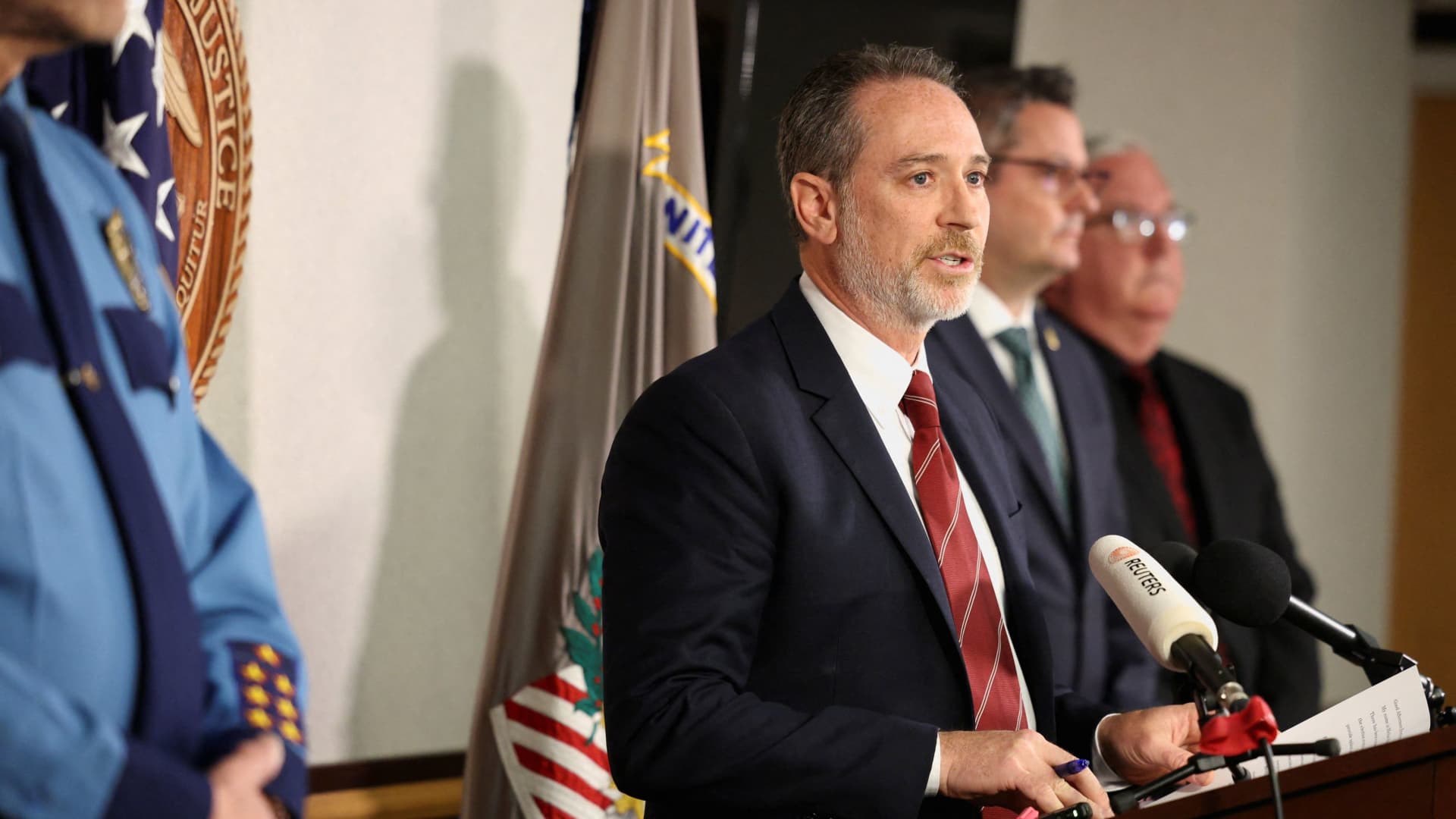

In a significant legal development ahead of the 2026 midterm elections, the U.S. Department of Justice (DOJ) has initiated a lawsuit in Alaska, aiming to investigate potential voter confusion in the U.S. Senate race. This confusion arises due to the presence of two candidates named Dan Sullivan on the ballot, which the DOJ claims could mislead voters into mistakenly ranking the non-incumbent candidate above the incumbent, distinguished only by a middle initial in their names. Filed by U.S. Attorney Michael J. Heyman, the lawsuit aims to preserve ballots for review should the incumbent lose by a narrow margin. The suit is receiving rapid judicial attention as it seeks expedited consideration before Election Day on November 3, 2026.
| Article Subheadings |
|---|
| 1) Overview of the Lawsuit by DOJ |
| 2) The Risk of Voter Confusion |
| 3) Allegations of Election Interference |
| 4) The Role of the Federal Court |
| 5) Implications for the Senate Majority |
Overview of the Lawsuit by DOJ
The U.S. Department of Justice’s lawsuit, filed in response to concerns about the upcoming Senate election in Alaska, focuses on potential voter confusion stemming from the ballot names. U.S. Attorney Michael J. Heyman indicated in a court filing that the DOJ aims to prevent state election officials from certifying the election results if incumbent Sen. Dan Sullivan loses by a margin that could be linked to voter misunderstandings regarding his name and that of the other candidate, Dan J. Sullivan. The suit is seeking to block immediate certification to allow for a thorough investigation into how voters interpret their choices when faced with two similar names.
Filed in the Anchorage District Court, the lawsuit underscores the Justice Department’s proactive approach to safeguarding electoral integrity. Attorney Heyman emphasized that confusion could lead to a flawed electoral process, stating, “Election Day is on November 3, 2026, which poses a substantial risk that the candidacy before us will mislead voters and ultimately result in an electoral process that lacks integrity.” The DOJ’s actions point to a broader concern about ensuring a transparent and fair election process amidst complexities presented by candidate names.
The Risk of Voter Confusion
Voter confusion is a critical issue in elections, and in this case, it centers around two candidates who share a similar name. The Democratic candidacy of Dan J. Sullivan is perceived by the DOJ as a potential tactic to siphon votes away from the incumbent, which could lead to a narrow victory for his opponent, Democratic nominee Mary Peltola. U.S. Attorney Heyman pointed out that voters might mistakenly believe they are choosing the incumbent when they select the non-incumbent candidate. “There is a surge of FBI resources and resources in this office,” he added, indicating the gravity of the situation.
The confusion created by similar names on the ballot is not merely a bureaucratic issue; it raises fundamental questions about electoral fairness. As the election draws near, officials express concern over the integrity of the process and the potential consequences of misleading ballots. The DOJ is committed to addressing this confusion swiftly to protect voter rights and uphold the democratic process.
Allegations of Election Interference
The lawsuit features serious allegations of interference in the electoral process by various parties. The DOJ claims that the candidacy of Dan J. Sullivan was orchestrated in part by aid from the Democratic Senatorial Campaign Committee, with the intent to benefit Peltola’s campaign. “We will not let anyone or any group undermine this election,” said Heyman strongly during a press conference held just days before the election, underscoring the DOJ’s determination to investigate these claims thoroughly.
The accusations put significant pressure on all involved, including the candidate Dan J. Sullivan, who has denied any intention to distort the election process. As the investigation unfolds, it remains to be seen how these claims will influence voter sentiment and the overall conduct of the election. This ongoing scrutiny raises the stakes not only for the candidates but also for the integrity of the electoral system as a whole.
The Role of the Federal Court
The federal court is expected to play a pivotal role in determining the course of this election challenge. Judge Sharon Gleason was alerted to the urgency of the DOJ’s request, given the imminent Election Day. The DOJ is operating under a tight timeline to respond to motions aimed at dismissing their suit, with deadlines established to ensure a resolution before the election.
Judge Gleason’s involvement highlights the judicial branches’ critical function in resolving electoral disputes. Her decision could either uphold the DOJs request for a stay on certification or allow the election to proceed without further delay. With the potential for significant political implications, her ruling will be closely monitored as it develops.
Implications for the Senate Majority
Outcomes from the Alaska Senate race could have profound implications for party control in the Senate. With the Republicans currently holding 53 seats in the 100-member chamber, the race becomes even more crucial as both parties vie for maintaining or altering the balance of power. If the results are called into question, the coalition that emerges from this election may be influenced by the handling of this controversy.
The introduction of ranked-choice voting in Alaska further complicates the situation, as it allows voters to rank candidates in order of preference. If neither candidate receives more than 50% of the first-choice votes, the election process will involve eliminating the least popular candidates and distributing their votes based on the voters’ subsequent preferences. This voting system makes the stakes of voter confusion even higher as strategies to siphon votes could significantly shift results and thereby affect Senate majority decisions come January.
| No. | Key Points |
|---|---|
| 1 | The DOJ has filed a lawsuit in Alaska ahead of the 2026 midterm elections to investigate potential voter confusion due to similar candidate names. |
| 2 | The lawsuit seeks to block certification of election results if the incumbent loses by a margin that reflects voter confusion. |
| 3 | U.S. Attorney Michael Heyman has raised concerns about the integrity of the electoral process amidst claims of orchestrated interference by Democratic campaigning. |
| 4 | Judge Sharon Gleason is positioned to make significant rulings regarding the DOJ’s legal claims before Election Day on November 3. |
| 5 | The outcome of the Senate race could determine the majority control in the U.S. Senate during a critical legislative period. |
Summary
The unfolding legal contention surrounding Alaska’s U.S. Senate race highlights serious concerns over electoral integrity, particularly with voter confusion stemming from similar candidate names. As the DOJ seeks to preserve the integrity of the election, the involvement of federal courts raises critical questions about the consequences of these proceedings for both voter confidence and Senate majority dynamics. With Election Day looming, the outcomes from this legal battle will reverberate far beyond Alaska’s borders, influencing broader political landscapes and the manner in which electoral processes are conducted in the future.
Frequently Asked Questions
Question: Why is the DOJ intervening in the Alaska Senate race?
The DOJ is intervening to investigate potential voter confusion due to two candidates sharing a similar name, which could mislead voters in the upcoming election.
Question: What are the implications of ranked-choice voting in this election?
Ranked-choice voting allows voters to rank candidates by preference, complicating the potential for voter misunderstandings to influence the final outcome of the election.
Question: What actions could the federal court take regarding the DOJ’s lawsuit?
The federal court could either uphold the DOJ’s request to prevent the certification of election results or allow the election to proceed without further delays, impacting the overall electoral integrity.
