

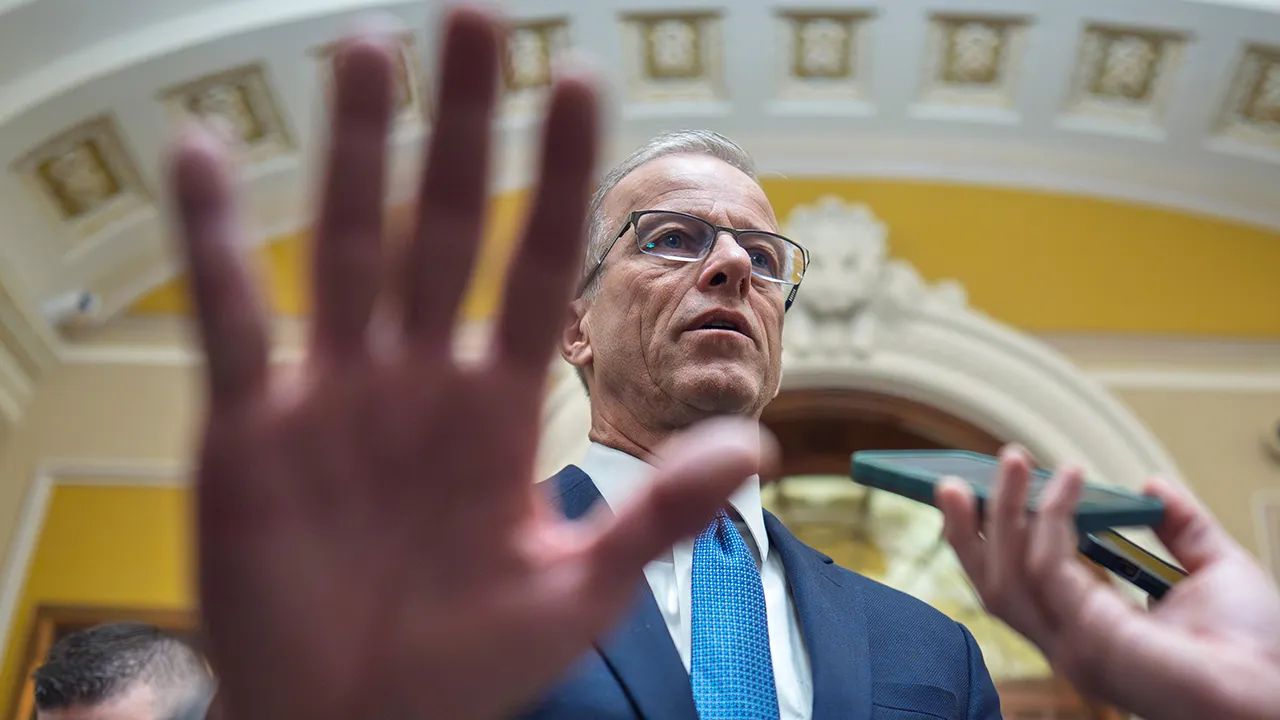

Following a challenging midterm election, Senate Majority Leader John Thune of South Dakota is positioning himself to run for Senate minority leader. This decision comes after the Republican Party experienced significant losses, including several seats that were once viewed as secure. Amidst criticisms aimed at President Donald Trump for various national issues, including the war in Iran and rising gas prices, Thune aims to galvanize support and remain a central figure in the GOP.
| Article Subheadings |
|---|
| 1) The Aftermath of the Midterms |
| 2) Thune’s Leadership Ambitions |
| 3) Republican Party Dynamics |
| 4) The Impact of Trump’s Policies |
| 5) Future Challenges Ahead |
The Aftermath of the Midterms
In the recent midterm elections, the Republican Party faced unexpected setbacks, losing at least five Senate seats, including those in strongholds like South Carolina and Texas. This resulted in a significant shift in the balance of power within the Senate, causing a palpable atmosphere of defeat among GOP members. Analysts attribute these losses to several key factors, notably the declining approval ratings of President Donald Trump. Historically, midterms can be a referendum on the sitting president’s popularity, and the current climate suggests that many constituents are disillusioned with the administration’s handling of critical issues such as economic policies and foreign affairs.
These unfavorable results have sparked intense reflection within the party, as leaders and strategists seek to analyze what led to such broad defeats. For many Republicans, the elections were a wake-up call about the need for a more cohesive strategy moving forward, especially regarding their messaging and legislative priorities. Facing pressure to regroup and revitalize their platforms, the leadership, particularly Thune, is now reconsidering how to connect with voters dissatisfied with the current administration.
Thune’s Leadership Ambitions
With the results of the midterm elections still resonating throughout the party, John Thune has expressed his intention to run for the position of Senate minority leader. This move is considered a significant political gamble given the party’s recent fall from grace. Thune has been a stalwart in the GOP, known for his ability to navigate through legislative challenges and rally support within the conference.
Should he successfully secure this leadership position, Thune would need to unify a fragmented party while also addressing the concerns of its base. His vision for the GOP will likely focus on reinforcing traditional conservative values while simultaneously adapting to the shifting political landscape. As he strives to embody a leader who can bring the fractured elements of the party together, Thune’s strategies will be closely scrutinized, particularly from fellow Republicans who remain skeptical of his leadership.
Republican Party Dynamics
The dynamics within the Republican Party are rapidly evolving as factions respond to the electoral outcomes. Following the significant losses, members are increasingly vocal about their discontent with the current leadership style and strategies. Observers note that the party is at a crossroads, with some pushing for a more Trump-aligned approach while others advocate for a return to more traditional conservative policies.
As Thune gears up for his leadership campaign, he must consider these internal divisions and decide how to navigate the different ideological territories. His potential success would largely depend on building coalitions and showcasing an ability to negotiate among factions that span from staunch Trump loyalists to moderate conservatives. If he fails to bridge these divides, Thune risks alienating vital segments of the party’s base.
The Impact of Trump’s Policies
The fallout from Trump’s policies has been a focal point of discussion in the wake of the midterm elections. Areas such as immigration, international relations, and economic management have left many voters divided concerning the Republican agenda. Some party members hold Trump accountable for the outcome, arguing that his polarizing strategies may have discouraged voter turnout.
Thune’s capability to advocate for a coherent agenda that distills the successes and failures of the Trump administration will be crucial in convincing disenchanted Republican voters to maintain their allegiance to the party. It is evident that addressing the myriad of challenges posed by Trump’s tenure will be essential in re-establishing trust and securing votes in the upcoming electoral cycles.
Future Challenges Ahead
As Thune prepares to navigate his bid for Senate minority leader, he faces numerous challenges that will shape the future of the party in Congress. From confronting a majority that is poised to reshape legislative priorities to addressing the discontent among core Republican voters, he has a pivotal role to play. Additionally, with the Senate’s calendar being contracted, as seen in the mere 217 days in session in 2025, it presents unique limitations on legislative productivity.
The pathway to leadership is fraught with potential pitfalls, including backlash from more vocal members of the party and the looming reality of having to balance various agendas within the conference. If Thune wishes to succeed, he will need to demonstrate his prowess in political maneuvering while effectively responding to the evolving sentiments and expectations of the American electorate.
| No. | Key Points |
|---|---|
| 1 | Senate Majority Leader John Thune plans to run for Senate minority leader after major GOP losses in the midterms. |
| 2 | The Republican Party aims to reassess its strategies following widespread defeats in traditionally safe districts. |
| 3 | Thune’s leadership ambitions come amid pressure to unite the party and address voter dissatisfaction. |
| 4 | The impact of Trump’s policies and voter turnout will be crucial considerations for the GOP moving forward. |
| 5 | Thune must navigate party dynamics to establish a coherent agenda and satisfy a divided base of supporters. |
Summary
In a politically turbulent landscape following significant election losses, John Thune emerges as a potential leader dedicated to guiding the Republican Party through adversity. His efforts to unify a divided party while addressing key policy concerns left unexamined in recent elections will be critical for the GOP’s future. The coming months will reveal if Thune can recalibrate the party’s direction and restore confidence among its constituents.
Frequently Asked Questions
Question: What are the implications of Thune running for Senate minority leader?
Thune’s candidacy for Senate minority leader signifies an intent to unify the party in response to recent electoral setbacks, while also emphasizing a need for strategic reevaluation within the GOP.
Question: Why did the Republican Party experience significant losses in the midterm elections?
Significant factors contributing to the GOP’s losses include declining approval ratings for President Trump and issues with key policies, leading to decreased voter turnout in traditionally Republican areas.
Question: How crucial are Trump’s policies to the GOP’s strategy going forward?
Trump’s policies continue to polarize voters; thus, how the GOP reconciles adherence to his agenda with the need to attract broader support will be crucial for their strategy in upcoming elections.
