


In a critical escalation of tensions in the Persian Gulf, Iran’s military has reported that four oil tankers caught fire after hitting naval mines while navigating the Strait of Hormuz. The incidents highlight ongoing hostilities amidst efforts for diplomatic negotiations regarding the U.S.-Iran relationship. As the situation unfolds, both sides express differing views on the continuation of diplomatic talks, with Iran’s officials indicating a lack of progress with the U.S. Meanwhile, the results of the recent midterm elections in the United States have also influenced discussions surrounding war and diplomacy.
| Article Subheadings |
|---|
| 1) Incident in the Strait of Hormuz: Oil Tankers on Fire |
| 2) Diplomatic Efforts Amid Military Tensions |
| 3) Iranian Response to U.S. Midterm Elections |
| 4) U.S. Leadership Acknowledges War Consequences |
| 5) Qatari Proposal: Seeking Peace in the Region |
Incident in the Strait of Hormuz: Oil Tankers on Fire
In a dramatic incident on Wednesday, Iran’s Islamic Revolutionary Guards Corps (IRGC) reported that four oil tankers caught fire after striking naval mines while attempting to navigate through the Strait of Hormuz. This significant maritime event took place in a highly strategic waterway which is vital for global oil shipping, raising immediate concerns regarding safety and security in one of the world’s busiest maritime corridors. The IRGC’s statement emphasized that these vessels were “non-compliant,” meaning they were not supposed to be in that restricted area south of the Strait.
The resultant fires from the explosions have reportedly continued to burn, indicating the severity of the situation. Alongside the destruction of these four tankers, the IRGC also noted that two additional vessels had been halted, suggesting a broader military interception of shipping activities in light of ongoing conflicts. This incident comes at a time of escalating tensions and indicates the precarious nature of operations in the Strait of Hormuz, which handles a substantial portion of the world’s oil supply.
Diplomatic Efforts Amid Military Tensions
Despite the alarming event in the Strait of Hormuz, diplomatic efforts continue between U.S. and Iranian officials. There has been an ongoing indirect dialogue facilitated by mediators from Qatar, Pakistan, and Saudi Arabia, aimed at addressing the pressing need for a resolution to the conflict. These discussions come amidst growing fears of war, as both sides seem to grapple with their respective positions on key issues.
Iranian officials have indicated skepticism regarding the progress of the talks, with the Secretary of the Supreme National Security Council expressing doubts about the U.S. response to Iran’s demands. He described the U.S. stance as “not convincing,” raising concerns about the viability of the negotiations. Meanwhile, the U.S. administration has signaled its intent to pursue an agreement, with indications that President Trump sees the potential for a settlement as essential for regional stability.
Iranian Response to U.S. Midterm Elections
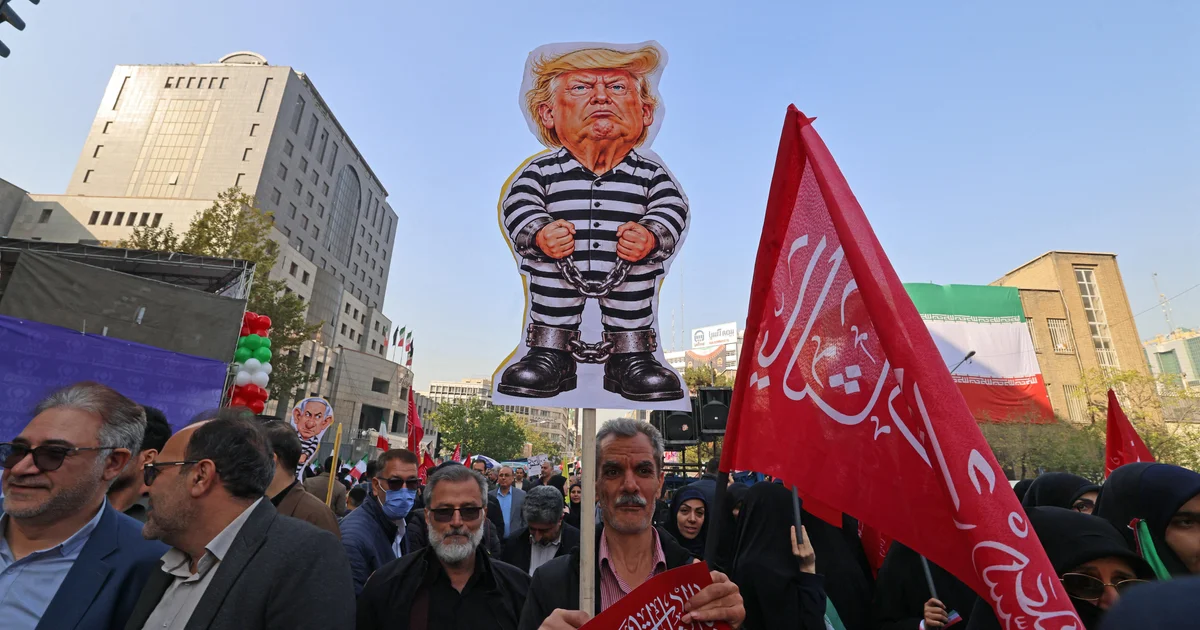
In related news, following the U.S. midterm elections, Iran’s chief negotiator, Mohammad Bagher Ghalibaf, has publicly declared that the election outcomes signify a rejection of war by the American populace. Taking to social media, he framed the electoral results as a decisive stronghold against military engagement, stating, “Americans said NO TO WAR, and we endorse this message.”
Ghalibaf also linked the electoral losses of the Republicans to various socioeconomic issues, including rising living costs, highlighting the significance of public sentiment in shaping U.S. foreign policy. He has warned that if the U.S. government does not heed the will of its citizens, it may face dire consequences, asserting that “our NO comes with a Nightmare.” This rhetoric aligns with Tehran’s long-standing position of resisting perceived U.S. aggression while advocating for a diplomatic solution.
U.S. Leadership Acknowledges War Consequences
The U.S. political landscape also reflects concerns regarding the ongoing conflict. President Trump has acknowledged that the war with Iran has had tangible effects on the recent election results, stating in a television interview that “part of it was Iran” when explaining the Republicans’ defeat. This acknowledgment indicates an evolving narrative within U.S. leadership regarding the implications of foreign policy decisions on domestic political outcomes.
In discussions with various media outlets, Trump reiterated his position, asserting that he does not regret initiating military action against Iran. He dismissed any culpability over the electoral consequences, maintaining that he would have made the same decisions in hindsight. This narrative embodies not only a defense of his policies but also a strategic maneuver to keep the focus on national security themes amid criticism of the war’s toll at home.
Qatari Proposal: Seeking Peace in the Region
Looking ahead, Qatar has taken a pivotal role in mediating discussions to foster peace between the U.S. and Iran. Following the recent tensions, Qatari officials have signaled that they are expecting feedback from both nations concerning a new proposal aimed at moving negotiations forward. The proposed ideas are reportedly under serious consideration, demonstrating that although the immediate aftermath of the tanker incidents may seem bleak, avenues for diplomacy remain open.
This push for renewed dialogue becomes increasingly critical as both sides have acknowledged the importance of preventing further escalation. Reports suggest that President Trump remains open to reaching a comprehensive agreement, though he has simultaneously issued warnings of potential U.S. military responses if negotiations do not yield satisfactory results for American interests. The Iranian side, on the other hand, has maintained that any discussions must start with their core demands unchanged, indicating a challenging path ahead.
| No. | Key Points |
|---|---|
| 1 | Four oil tankers were reported on fire in the Strait of Hormuz after hitting naval mines. |
| 2 | Iranian officials express skepticism about the progress of U.S. negotiations. |
| 3 | Iranian negotiator claims U.S. midterm elections reflect a rejection of war. |
| 4 | President Trump acknowledges the war’s impact on the Republican defeat in the elections. |
| 5 | Qatar expects feedback from both U.S. and Iranian negotiators in ongoing peace talks. |
Summary
The recent fire incidents in the Strait of Hormuz underscore the fragility of maritime security and the ongoing tensions between Iran and the U.S. As military engagements threaten to escalate, diplomatic dialogues continue in hopes of a peaceful resolution. The midterm elections in the U.S. have added a new layer to this complex situation, revealing public sentiments against war that may influence future policy decisions. The involvement of Qatari mediators presents an additional opportunity for constructive engagement aimed at stabilizing the region, but challenges remain as both sides grapple with their positions and demands.
Frequently Asked Questions
Question: What incidents occurred in the Strait of Hormuz?
Four oil tankers caught fire after hitting naval mines while navigating through a forbidden area, as reported by Iran’s military.
Question: How did the U.S. midterm elections impact Iran’s perception of America?
Iran’s chief negotiator indicated that the election results reflected a rejection of war by Americans, potentially influencing diplomatic approaches.
Question: What role is Qatar playing in the U.S.-Iran negotiations?
Qatar is facilitating dialogue between the U.S. and Iran, expecting feedback on a new peace proposal within 36 hours to help resolve ongoing tensions.
