

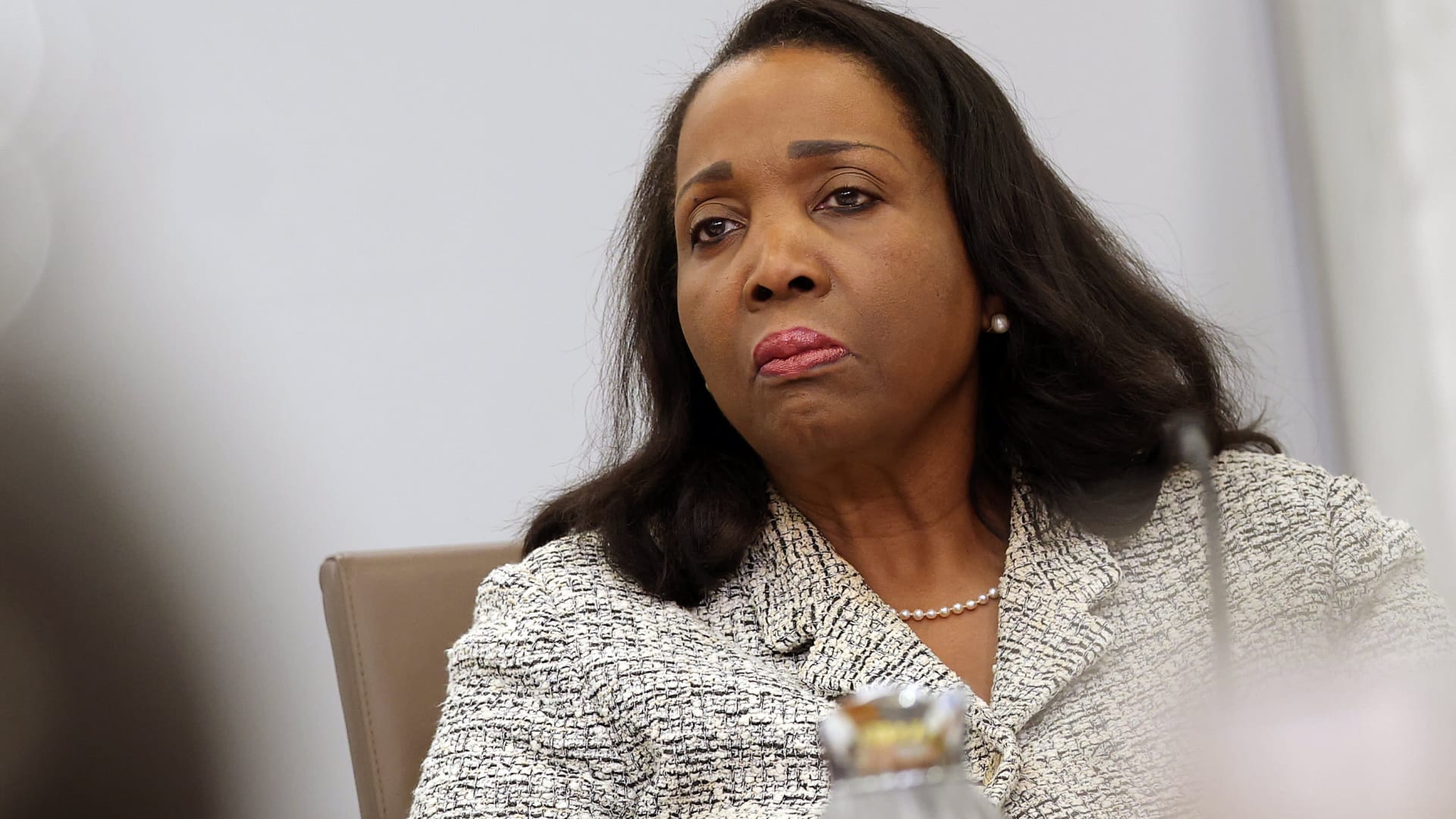

In a significant development regarding the future of Federal Reserve Governor Lisa Cook, a White House committee hearing scheduled for Thursday has been postponed until December 14. This hearing is part of an inquiry into allegations that Cook made false statements in relation to mortgage applications—a matter of great concern raised by President Donald Trump. Although the committee’s decision to delay the discussion was reportedly made at Cook’s request, it raises questions about her willingness to participate, particularly in light of previous attempts to remove her from office.
| Article Subheadings |
|---|
| 1) Delay in the Hearing Scheduled by the White House |
| 2) Background on the Allegations Against Cook |
| 3) The Composition and Purpose of the Inquiry Committee |
| 4) Cook’s Defense and Legal Challenges |
| 5) Implications of the Supreme Court Ruling |
Delay in the Hearing Scheduled by the White House
The inquiry into Lisa Cook and the allegations raised against her by President Donald Trump is currently at a standstill due to the postponement of the hearing. Initially set for Thursday, the hearing has now been rescheduled for December 14. A White House official confirmed that the delay was requested by Cook herself, suggesting that there may be underlying concerns regarding the nature of the inquiry and the committee’s impartiality. Questions linger regarding whether Cook will ultimately participate in the hearing, especially considering her previous experiences with this process, which includes an attempt by Trump to dismiss her from her position.
Background on the Allegations Against Cook
The allegations aiming at Cook involve claims of false statements made in connection with mortgage applications. President Trump initiated this investigation earlier in October, citing concerns regarding Cook’s integrity as a Federal Reserve Governor. The inquiry aims to explore whether these alleged misrepresentations warrant the Governor’s removal from her role. This scrutiny comes amidst broader discussions about governance and accountability within the Federal Reserve, underscoring the tensions between political leadership and regulatory independence.
The Composition and Purpose of the Inquiry Committee
The committee tasked with investigating the allegations against Cook consists of prominent figures, including Kevin Hassett, who serves as the assistant to the president for economic policy. Also on the committee are Andrea Lucas, chair of the Equal Employment Opportunity Commission, and Keith Sonderling, director of the Office of Government Ethics. This committee is expected to gather evidence and testimonies related to the allegations and ultimately report back to Trump on whether there exists sufficient cause for Cook’s removal, as outlined under federal law. The committee’s efforts may be viewed as an attempt to assure that due process is being afforded to Cook in a politically sensitive situation.
Cook’s Defense and Legal Challenges
In light of the allegations, Lisa Cook has denied all wrongdoing and has taken steps to challenge the proposed hearing and the circumstances surrounding it. Her attorney, Abbe Lowell, raised concerns regarding the fairness of the inquiry process. Following Trump’s recent attempts to terminate her, Cook filed a lawsuit, asserting that the allegations concerning mortgage statements were unfounded and pretextual; she claimed that the real motivation behind her potential dismissal was her refusal to comply with Trump’s pressures to lower interest rates. As Cook continues with her official duties, particularly her upcoming meetings in Europe, the timeline of this investigation has been complicated further.
Implications of the Supreme Court Ruling
The ongoing legal battles surrounding Lisa Cook were galvanized by a Supreme Court ruling earlier in the year. The court ruled that Trump could not fire her from the Federal Reserve Board without demonstrating due process. This ruling has allowed Cook to maintain her position on the board while the legal dispute over her alleged firing makes its way through the courts. However, the ruling did not clarify if Trump retains ultimate authority to terminate her, leaving the outcome uncertain. Consequently, the establishment of the inquiry committee may be an effort to demonstrate adherence to due process requirements as mandated by the Supreme Court.
| No. | Key Points |
|---|---|
| 1 | The White House hearing regarding Federal Reserve Governor Lisa Cook has been postponed until December 14. |
| 2 | Allegations against Cook involve false statements made in mortgage applications as asserted by President Trump. |
| 3 | The committee investigating Cook consists of key economic and ethical leaders within the government. |
| 4 | Cook’s legal team has expressed concerns about the fairness of the investigation. |
| 5 | A Supreme Court ruling has prohibited Trump from firing Cook, ensuring her position while legal proceedings continue. |
Summary
The recent developments surrounding Lisa Cook highlight ongoing tensions between the Federal Reserve’s autonomy and political oversight. The delay in the inquiry raises significant questions about the integrity of the investigation, Cook’s reluctance to participate, and the larger implications of the Supreme Court ruling that governs the President’s powers over Federal Reserve governors. As the story unfolds, it showcases not only the procedural dynamics involved in such high-stakes governance but also emphasizes the critical importance of due process in federal institutions.
Frequently Asked Questions
Question: What is the main reason for the inquiry into Lisa Cook?
The inquiry is focused on allegations that Lisa Cook made false statements related to mortgage applications, which President Trump has raised concerns about.
Question: Who comprises the committee investigating Cook?
The inquiry committee includes Kevin Hassett, assistant to the president for economic policy, Andrea Lucas, chair of the Equal Employment Opportunity Commission, and Keith Sonderling, director of the Office of Government Ethics.
Question: How does the Supreme Court ruling affect Cook’s position?
The Supreme Court ruling prevents President Trump from terminating Cook without due process, allowing her to maintain her position on the Federal Reserve Board while legal proceedings are ongoing.
