

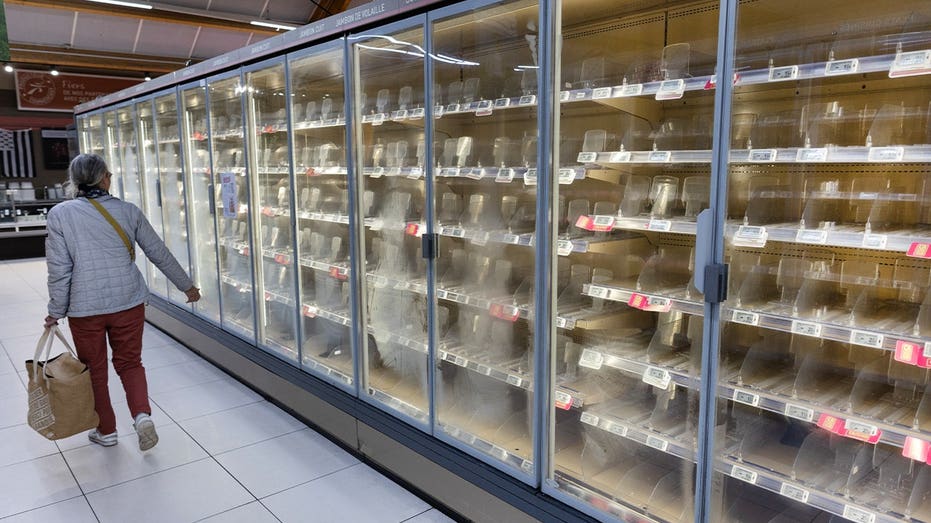

Nicole Parker, a former FBI special agent, warned that cyberattacks against grocery store systems could disrupt food supplies and undermine public confidence in the United States. Her comments followed refrigeration failures at at least six U.S. military commissaries in August and separate disruptions at supermarkets in Europe. Investigators have not established that the U.S. incidents were caused by a cyberattack, but Army officials are examining possible connections to the European outages. Parker said governments, communities and families should prepare for disruptions affecting essential services.
| 1) | Military commissary refrigeration failures remain under investigation |
| 2) | European supermarket outages heighten infrastructure concerns |
| 3) | Cyber disruption can create psychological and operational harm |
| 4) | Local leaders are urged to strengthen emergency planning |
| 5) | Households can prepare for interruptions to essential services |
Military commissary refrigeration failures remain under investigation
The Army Criminal Investigation Division’s Cyber Field Office is working with the Defense Commissary Agency and the Defense Criminal Investigative Service to determine what caused refrigeration failures at military grocery stores in August. Investigators are also coordinating with French law enforcement while examining whether the U.S. problems could be related to refrigeration outages reported in Europe.
At least six commissaries were affected, including facilities at Fort Huachuca in Arizona, F.E. Warren Air Force Base in Wyoming, Naval Station Newport in Rhode Island, Columbus Air Force Base in Mississippi, Travis Air Force Base in California and Fort Irwin in California. Fort Huachuca reported that frozen food had spoiled, while Fort Irwin restricted sales to dry goods. Officials have not confirmed that a cyberattack caused the malfunctions.
European supermarket outages heighten infrastructure concerns
Separate refrigeration disruptions were reported at supermarkets in Sweden, Belgium and Luxembourg. The incidents forced some retailers to discard food after temperatures in certain systems reportedly reached 122 degrees Fahrenheit. The identity of those responsible remained unknown, and no definitive link between the European events and the U.S. commissary failures had been established.
The incidents drew attention because refrigeration systems are part of the digital and physical infrastructure that keeps food available to consumers. A failure affecting temperature controls can create losses quickly, even when store buildings, checkout systems and other operations remain open. The investigation is intended to determine whether the outages resulted from equipment problems, operational errors, malicious activity or another cause.
Cyber disruption can create psychological and operational harm
Nicole Parker said grocery systems could become targets because food is a basic necessity used by every person. She described an attack on essential services as a form of asymmetrical warfare, allowing an adversary to interfere with daily life without using missiles or deploying troops.
“Every human being has to eat,” Parker said. She cautioned that the consequences could extend beyond spoiled products or temporary shortages by weakening the public’s sense of security. Parker also stressed that the available information does not identify who may have been behind the European incidents and that conclusions about responsibility should not be drawn before investigations are complete.
Local leaders are urged to strengthen emergency planning
Parker said preparations should involve more than law enforcement agencies searching for attackers. City managers, mayors and city council members need to understand potential threats, identify vulnerabilities and establish procedures for supporting residents if grocery stores, utilities or other essential services are disrupted.
Those plans could include coordination among public agencies, retailers, emergency managers and infrastructure operators. The objective is to reduce the impact of an incident and make sure communities know how they would distribute information and maintain access to necessities. Parker said preparedness should focus on preventing attacks where possible and responding quickly when prevention fails.
Households can prepare for interruptions to essential services
Parker encouraged families to keep basic food, water and necessary medicine available without making unnecessary purchases or emptying store shelves. She also recommended placing important documents in a known location and discussing how family members would communicate during a power outage or other disruption.
A battery-operated AM radio could provide information if internet or mobile services become unavailable. Parker compared the approach with preparations for hurricanes, an experience familiar to her in Florida. “If you are prepared, you do not have to fear,” she said, emphasizing practical planning rather than panic.
| Number | Key Point |
|---|---|
| 1 | At least six military commissaries reported refrigeration problems in August. |
| 2 | European supermarkets in three countries also experienced refrigeration disruptions. |
| 3 | A cyberattack has not been confirmed as the cause of the U.S. failures. |
| 4 | Officials are urged to plan for disruptions to food and other essential services. |
| 5 | Families can maintain modest emergency supplies and communication plans. |
Summary
The refrigeration failures affecting U.S. military commissaries remain under investigation, and officials have not confirmed a cyberattack. However, similar disruptions at European supermarkets have renewed concerns about the vulnerability of food infrastructure. Experts say coordinated government planning and practical household preparation can limit the effects of an incident without encouraging public panic.
Frequently Asked Questions
Was a cyberattack confirmed in the U.S. commissary failures?
No. Army investigators are examining the cause, but a cyberattack has not been established.
Which U.S. facilities experienced refrigeration problems?
Reported locations included Fort Huachuca, F.E. Warren Air Force Base, Naval Station Newport, Columbus Air Force Base, Travis Air Force Base and Fort Irwin.
What preparations are recommended for families?
Families can keep reasonable supplies of food, water and medicine, secure important documents, discuss communications plans and maintain a battery-operated radio.
