

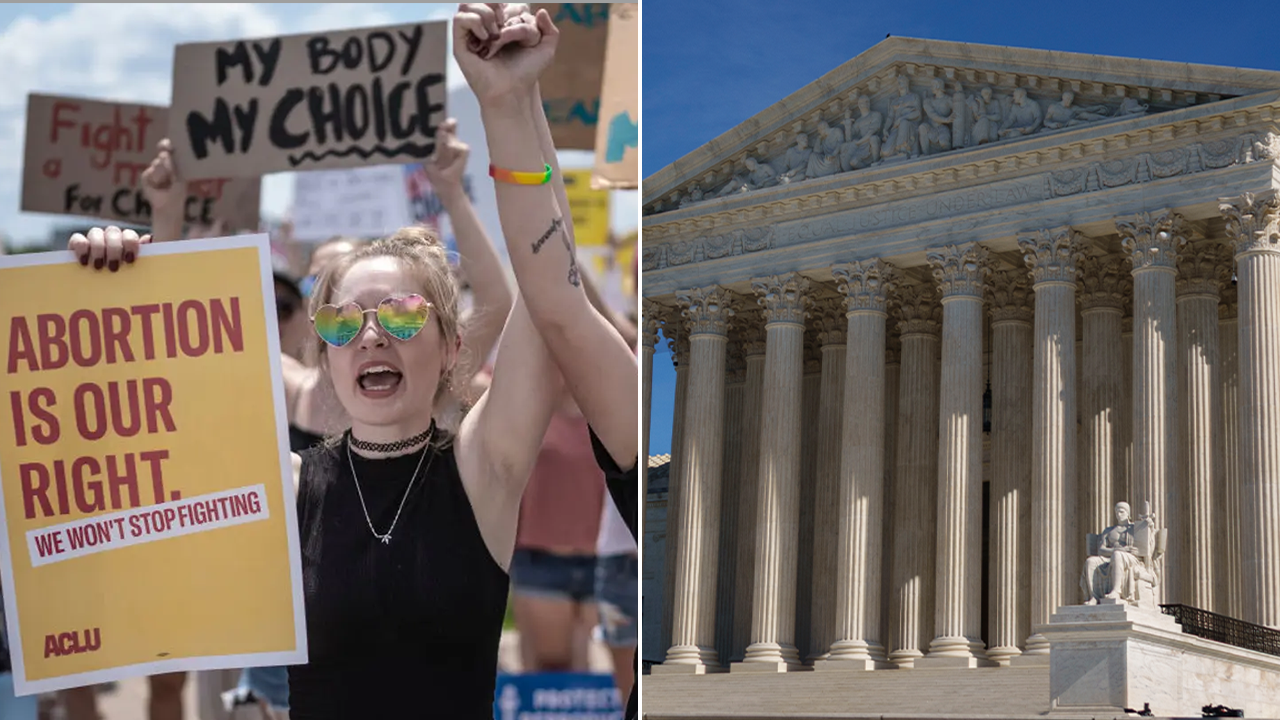

The ongoing investigation into the leak of the Supreme Court’s draft opinion that overturned Roe v. Wade has now transitioned to a criminal probe led by the Department of Justice. This investigation, which has been active for over a year, comes after an internal investigation by the Supreme Court failed to identify the source of the leak. U.S. Attorney Jeanine Pirro is overseeing the case, and sources indicate that grand jury subpoenas have been issued related to the matter.
| Article Subheadings |
|---|
| 1) Background of the Draft Leak |
| 2) Internal Investigation and Its Limitations |
| 3) Transition to Criminal Investigation |
| 4) The Broader Implications of the Leak |
| 5) Future Steps and Conclusions |
Background of the Draft Leak
The draft opinion that sparked immense controversy was made public through a Politico report on May 2, 2022. This document revealed that a majority of the Supreme Court justices were inclined to overturn the landmark decision of Roe v. Wade, which had established a constitutional right to abortion nearly five decades earlier. The initial leak drew significant media attention and public outcry, sparking protests across the country both for and against the decision that was forthcoming.
Following the leak, Chief Justice John Roberts, recognizing the severity of the breach of confidentiality, ordered an internal investigation to ascertain the source. The leak not only raised alarms about the integrity and security of the Supreme Court’s deliberations but also stoked fears of a potential backlash against justices, as public sentiment sharply divided over the anticipated ruling. The timing of the leak, just weeks before the court’s decision in the significant case of Dobbs v. Jackson Women’s Health Organization, further heightened tensions.
Internal Investigation and Its Limitations
In response to the leak, Chief Justice Roberts tasked Gail Curley, the Court Marshal, with conducting a comprehensive investigation. This involved interviews with nearly 100 employees and an extensive review of electronic devices and networks used within the court. Despite these efforts, the investigation concluded in January 2023 that they could not identify a responsible individual with sufficient evidence.
Investigators faced significant challenges due to the expansive work-from-home policies that came into effect during the COVID-19 pandemic, which created gaps in security protocols. Reports indicated that some employees might have shared details of the draft with family members, violating the confidentiality that surrounds Supreme Court deliberations. Chief Justice Roberts brought in former Homeland Security Secretary Michael Chertoff to evaluate the investigation’s methods, leading to a consensus that while the probe was thorough, it did not yield results that could lead to an identification of the source of the leak.
Transition to Criminal Investigation
As the internal investigation stalled without significant leads, a transition to criminal inquiries became apparent. The Justice Department initiated a criminal investigation that is currently being headed by U.S. Attorney Jeanine Pirro. Reports emerged indicating that the grand jury subpoenas had been issued, signifying an escalation in the seriousness of the efforts to identify the leaker. Details regarding who specifically received these subpoenas remain undisclosed.
Aside from the Department of Justice’s involvement, Justice Samuel Alito has publicly stated he suspects someone may be responsible but lacks the concrete evidence necessary to identify them. Alito noted that the breach had serious repercussions, stating that it transformed the working environment of the justices into one filled with mistrust. Recent interviews and discussions revolving around the investigation have reiterated the gravity of the breach, especially given the safety risks that arose for some justices following the leak.
The Broader Implications of the Leak
The ramifications of the leak extend beyond merely identifying a source; they touch upon issues of security, confidentiality, and the ongoing trust within the Supreme Court itself. Following the leak, protests erupted not just in Washington but across the nation, leading to clashes over highly contentious issues surrounding abortion rights. The fallout from the leak also endangered the safety of justices, with threats reported against conservative members, including Justice Kavanaugh, who faced an assassination attempt.
Justice Clarence Thomas has voiced concerns that the breach has fundamentally altered the institution, indicating that once trust is lost, it is challenging to regain. The leak not only led to widespread protests but also highlighted the heightened scrutiny the justices have faced since the ruling that followed—affirming the end of federal protections for abortion rights. The internal atmosphere within the court remains tense as justices grapple with the consequences of a breach that has altered public discourse surrounding the court’s rulings.
Future Steps and Conclusions
Looking ahead, the ongoing criminal investigation continues to unfold, and the effectiveness of the prosecution remains to be seen. The Supreme Court’s commitment to maintaining confidentiality is now under increased scrutiny, with officials considering the implications of future leaks and how to safeguard sensitive deliberations that are crucial to judicial processes.
As the Justice Department pursues its investigation with the intent to bring accountability, the Supreme Court grapples internally with how to rebuild trust in a severely shaken environment. Observers and legal experts note that maintaining the integrity of the court is paramount for public confidence in the judicial system.
| No. | Key Points |
|---|---|
| 1 | The Supreme Court draft opinion leak prompted a criminal investigation by the DOJ. |
| 2 | The internal investigation by the Supreme Court could not determine the source after extensive efforts. |
| 3 | U.S. Attorney Jeanine Pirro is leading the criminal investigation. |
| 4 | The leak led to significant safety concerns for justices, particularly conservative members. |
| 5 | The ongoing probe underscores the potential gaps in the court’s security and confidentiality practices. |
Summary
The investigation into the leak of the Supreme Court’s draft opinion overturning Roe v. Wade reveals significant challenges for the institution regarding security and trust. As the Department of Justice pursues a criminal inquiry to identify the leaker, the Supreme Court faces profound implications affecting its credibility and confidentiality. The incident highlights the need for the Court to reassess its security protocols to prevent similar occurrences in the future, ensuring the integrity of its deliberations and, ultimately, the public’s trust in the judicial system.
Frequently Asked Questions
Question: What led to the investigation by the Department of Justice?
The investigation was initiated following the leak of a draft opinion that indicated a majority of justices were prepared to overturn Roe v. Wade, prompting serious concerns over security and confidentiality within the Supreme Court.
Question: What difficulties did the internal investigation face?
The internal investigation struggled due to heightened work-from-home measures during the COVID-19 pandemic, gaps in security protocols, and the challenges of tracking down individuals who may have disclosed information improperly.
Question: How has the leak affected the justices personally?
The leak has raised safety concerns for the justices, with threats and protests against conservative members. Justices have expressed that the breach has fundamentally altered the culture within the Court, resulting in increased tension and mistrust.
