

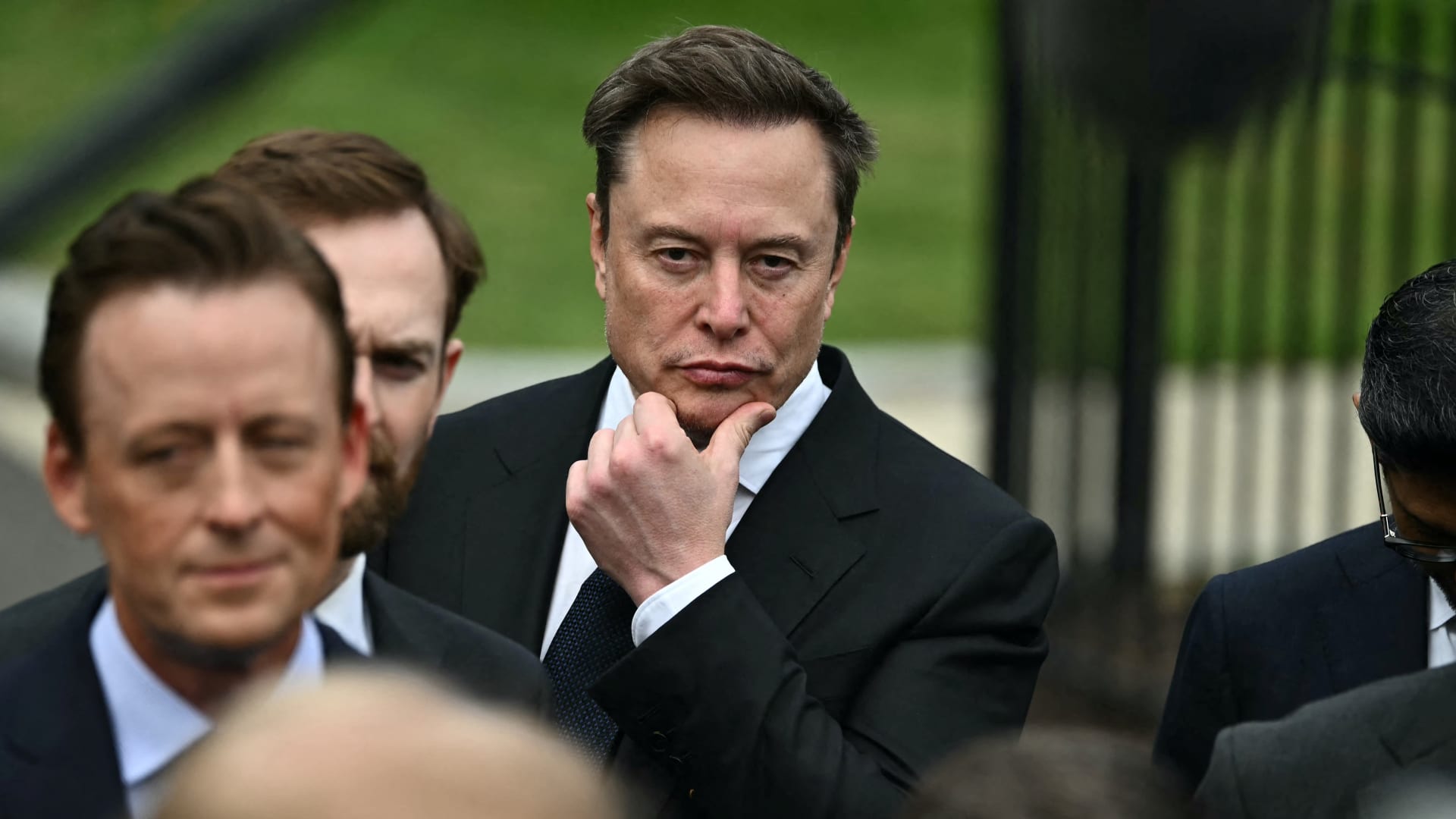

Investor concerns surrounding Elon Musk have led to significant declines in the stock prices of his companies, SpaceX and Tesla. On Thursday afternoon, shares plummeted by around 9% and 11% respectively, as discussions of potential congressional investigations and increased regulations intensified following the recent U.S. midterm elections. These losses contributed to an aggregate market cap decline for both companies of over $420 billion since the week began, and Musk’s net worth has also taken a severe hit. Despite these setbacks, he still retains the title of the world’s richest individual.
| Article Subheadings |
|---|
| 1) Stock Market Reaction to Election Outcomes |
| 2) Changes in Congressional Dynamics |
| 3) The Impacts of Regulatory Scrutiny |
| 4) Future Prospects for SpaceX and Tesla |
| 5) Musk’s Wealth and Political Influence |
Stock Market Reaction to Election Outcomes
Following the midterm elections, investors expressed heightened concerns about the potential for increased oversight and stricter regulations on major corporations. On Thursday, both Tesla and SpaceX saw declining stock prices, with Tesla’s shares dropping by approximately 11% and SpaceX’s by about 9%. This downturn reflects a broader trend in the tech sector, which has been experiencing significant sell-offs attributed to market uncertainties and fears of regulatory action.
The immediate responses from investors led to a staggering combined market capitalization loss of over $420 billion for the two companies as they reeled from their peaks earlier in the week. The market’s fluctuating environment is particularly challenging for companies spearheaded by Musk, whose business operations span technology and aerospace sectors.
Musk’s wealth, which soared past $1 trillion following SpaceX’s IPO earlier this year, has dwindled, making headlines as it dropped below $800 billion in the past week alone. This colossal reduction of nearly $90 billion raises questions about investor confidence and highlights the degree of volatility in technology stocks following political shifts.
Changes in Congressional Dynamics
The midterm elections resulted in Democrats regaining control of both the House and Senate, a significant shift that may influence the legislative landscape affecting investments in technology and space sectors. With key victories for candidates such as James Talarico and Gina Hinojosa in Texas—where both Tesla and SpaceX are headquartered—there is speculation that these changes could introduce more stringent regulations.
The outcomes marked a shift in alliances within the state and could pose additional challenges for Musk’s enterprises. Notably, Hinojosa campaigned on issues such as water rights and regulations concerning energy use, which specifically target large tech installations like data centers that Tesla and SpaceX plan to construct. Such campaign promises have intensified concerns among investors regarding potential obstacles these companies may face in the near future.
The Impacts of Regulatory Scrutiny
Analysts from Deutsche Bank highlighted that under the newly elected officials, SpaceX may encounter incremental headwinds in its business environment. Specifically, tighter, anticipated regulations on data center construction could delay ongoing and planned projects. Following the elections, there is a growing concern that the economic backdrop could lead to an extended period of regulatory scrutiny for high-profile projects in sectors such as artificial intelligence.
Current discussions suggest that the previously streamlined processes for obtaining approvals for significant infrastructural projects may become more complex, impacting future capital expenditures for Musk’s companies. The analysts noted that as Musk’s companies expand their AI infrastructure in Texas—particularly the planned Terafab facility that will include a data center and semiconductor factory—the regulatory landscape is likely to impose new layers of compliance.
Concerns surrounding the military version of Starlink satellite internet service in Ukraine have also added to the scrutiny on Musk and his companies. Reports indicate that Musk and SpaceX have been instructed to maintain records concerning the restrictions on this service, which reportedly hampered Ukraine’s defense capabilities against Russian aggression.
Future Prospects for SpaceX and Tesla
The trajectory for both SpaceX and Tesla may experience shifts in light of the recent political changes. Developments from the elections could hinder plans for Musk, particularly regarding the proposed merger between SpaceX and Tesla—a move that would require shareholder approval and is now clouded by potential regulatory obstacles.
As SpaceX continues to develop advanced technology such as its expansive supercomputer at Starbase in Texas, the looming question remains whether these advancements can proceed unimpeded under new regulations. Analysts suggested that any delays in permitting or changes in project execution timelines could result in increased capital costs for the company that may impact profit margins moving forward.
In the wake of this regulatory environment, Musk’s companies are left to reassess their operational strategies and projections amid newfound challenges that could reshape their growth trajectories.
Musk’s Wealth and Political Influence
While Elon Musk remains the wealthiest individual globally, the substantial reduction in his net worth has prompted discussions about his influence and philanthropic contributions, particularly in the context of the midterm elections. Being the most significant donor to Republican candidates, with contributions exceeding $470 million, Musk’s financial backing did not yield the desired outcomes for the candidates he supported, as most of them were defeated in their respective races.
The influence of his contributions raises questions about the efficacy of substantial political donations in achieving business-friendly legislative outcomes. This scrutiny surrounding his financial involvement in politics and the subsequent electoral results highlight Musk’s precarious position as he navigates the complex relationship between wealth, influence, and regulatory landscapes that could affect his business interests.
Despite facing challenges and losses, Musk’s ongoing role in the technology sector remains critical to the advancements in both aviation and automobile industries. Stakeholders now look to how Musk will adapt to the changing political environment and what strategies he will implement to steer his companies through regulatory hurdles.
| No. | Key Points |
|---|---|
| 1 | SpaceX and Tesla shares fell significantly post-midterm elections, losing approximately 9% and 11% respectively. |
| 2 | Political shifts in Congress may lead to increased scrutiny and regulations on major tech companies. |
| 3 | Musk’s substantial political donations to GOP candidates did not translate into electoral success. |
| 4 | Future projects by SpaceX may face delays and increased capital expenditures due to anticipated regulatory changes. |
| 5 | Musk’s net worth has plummeted with his wealth now below $800 billion, affecting perceptions of his influence. |
Summary
The implications of the recent midterm elections on Elon Musk’s businesses pose significant questions regarding future operations and profitability for both SpaceX and Tesla. As regulatory scrutiny amplifies along with political tensions, the landscape in which Musk operates is evolving. Investors, stakeholders, and political observers will keenly track how Musk navigates these changes in the coming months to sustain the growth trajectories of his companies.
Frequently Asked Questions
Question: What are the latest challenges facing SpaceX and Tesla?
Both companies are facing potential regulatory hurdles following the recent elections which may result in stricter oversight of technology infrastructure projects.
Question: How much has Elon Musk’s wealth decreased recently?
Musk’s net worth has decreased by nearly $90 billion, dropping below $800 billion amid falling stock prices for his companies.
Question: What was Musk’s role in the midterm elections?
Musk was the largest donor to Republican candidates, contributing over $470 million, although most of the candidates he supported lost their races.
