

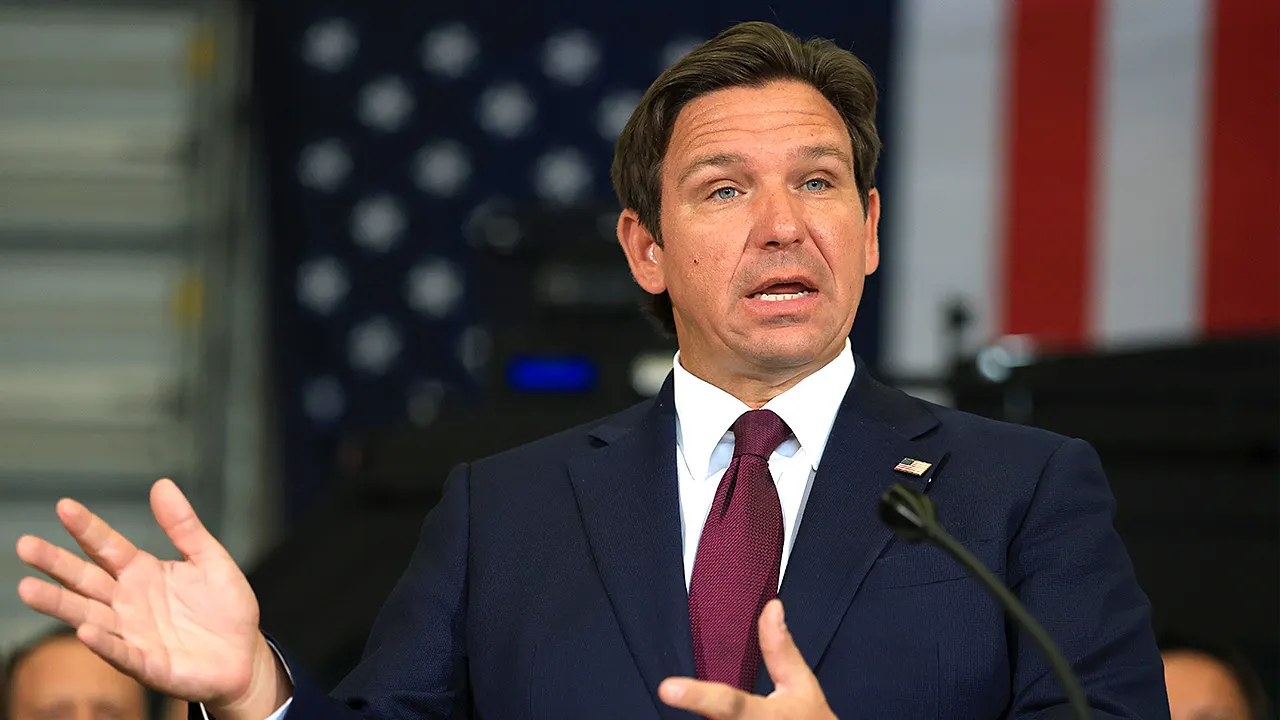

Florida Governor Ron DeSantis has publicly rebutted claims made by The Washington Post regarding his potential candidacy for the 2028 presidential election. In a series of posts on social media, he vehemently denied allegations that he initiated discussions with political consultants about a campaign. This back-and-forth comes on the heels of significant Republican losses in the recent midterm elections, a context that may influence DeSantis’s political strategy moving forward.
| Article Subheadings |
|---|
| 1) DeSantis Responds to 2028 Speculations |
| 2) Background on DeSantis’s Political Journey |
| 3) Implications of Recent Election Results |
| 4) Reactions from the Republican Party |
| 5) Looking Ahead: DeSantis’s Political Future |
DeSantis Responds to 2028 Speculations
On Friday, Governor Ron DeSantis reacted sharply to a report from The Washington Post alleging that he is gearing up for another presidential race in 2028. In his response, he condemned the article, stating that it was “fabricated” and “made up.” He expressed his frustration through social media, specifically on X (formerly Twitter), saying, “The Washington Post is fabricating this out of whole cloth. I have not reached out to anybody about running for anything.” This response underscores a broader issue in political journalism, where speculation can often overshadow factual reporting.
DeSantis’s assertive denial is set against a backdrop of heightened public scrutiny following his previous campaign for the 2024 Republican presidential nomination, which ended when he suspended his activities after the Iowa caucuses in January 2024. In a series of replies to other users on social media, he further dismissed the claims, labeling them as merely an attempt to generate clicks and interest. He stated that unnamed sources had once again been used to support questionable assertions, a tactic that many politicians are wary of.
Background on DeSantis’s Political Journey
Governor Ron DeSantis emerged as a prominent figure in the Republican Party during his term as Florida’s governor. His rise can be attributed to a series of controversial and high-profile policies, particularly during the COVID-19 pandemic. He gained national attention for his opposition to strict lockdown measures and mandates, positioning himself as a staunch advocate for personal freedoms within Florida.
Before his governorship, DeSantis served as a U.S. Congressman for Florida’s 6th district, where he developed a reputation as a conservative lawmaker. His educational background includes degrees from Yale University and Harvard Law School, providing him with a solid foundation in public policy and law. This mix of credentials and effective governance contributed to his swift rise within party ranks, ultimately leading to his nomination for the presidency in 2024.
Implications of Recent Election Results
The context of DeSantis’ rebuttal is critical, as it comes shortly after the Republican Party faced significant losses in the midterm elections. This defeat resulted in the GOP losing control of both chambers of Congress and several traditionally Republican strongholds across the nation. Observers noted that these losses could complicate plans for any prominent Republican seeking to position themselves for future electoral success.
However, there was a silver lining for the GOP in Florida, as Byron Donalds won the governor’s race, enhancing the party’s stronghold in the state amidst wider national challenges. In response to the election outcomes, DeSantis described the situation as “close to an extinction-level event for Republicans,” highlighting the critical need for revitalization within the party. His comments reflect a broader concern regarding in-party divisions and the direction of the Republican Party moving forward.
Reactions from the Republican Party
Reactions within the Republican Party to DeSantis’s comments and the news surrounding the midterm losses have been varied. Some party members echo DeSantis’s concerns, advocating for a reevaluation of strategies and messaging as they contemplate future elections. Others, however, urge a more cautious approach, arguing that infighting could further alienate potential voters.
DeSantis’s confrontation with The Washington Post has also sparked discussion about the role of media in shaping political narratives. Critics suggest that sensationalized reporting can obscure the complex realities politicians face, particularly during periods of electoral struggle. The governor’s ongoing dialogue with voters and party members through social media platforms has become a critical component of his strategy, allowing him to directly engage with the public and counteract potentially damaging narratives.
Looking Ahead: DeSantis’s Political Future
As Ron DeSantis approaches the end of his current term, questions about his next steps persist. While he has kept his options open regarding future political endeavors, recent events may shift his focus toward rebuilding his public image and reestablishing connections within the party. The prospect of a 2028 presidential campaign remains uncertain, as he navigates the aftermath of significant election setbacks.
Furthermore, DeSantis’s future trajectory will also be influenced by national political dynamics, which continue to evolve. The Republican Party faces existential questions on how to redefine its platform to attract a broader base while retaining its core supporters. The governor’s actions in the coming months will be closely monitored by both supporters and critics as they assess whether he can unify the party and present a compelling case for leadership in the years to come.
| No. | Key Points |
|---|---|
| 1 | Governor Ron DeSantis denied claims of a 2028 presidential bid, calling the report from The Washington Post fabricated. |
| 2 | The governor had previously suspended his 2024 campaign after poor results from the Iowa caucuses. |
| 3 | Recent midterm election results saw Republicans lose control of Congress and various state legislatures. |
| 4 | Despite national losses, Florida remains a Republican stronghold, highlighted by Byron Donalds‘ victory in the governor’s race. |
| 5 | DeSantis’s future political aspirations are uncertain, as he navigates the aftermath of the midterm election results. |
Summary
The unfolding narrative around Ron DeSantis reflects not only his immediate response to speculative media reports but also the larger state of the Republican Party following significant electoral setbacks. As he contemplates his political trajectory, the ongoing shifts in public opinion and party dynamics will play a crucial role in shaping his potential future campaigns. Balancing party unity while addressing voter concerns will prove essential as the governor considers his next steps in the political arena.
Frequently Asked Questions
Question: What were the reasons for Ron DeSantis suspending his 2024 presidential campaign?
Ron DeSantis suspended his 2024 campaign following disappointing results in the Iowa caucuses, which significantly affected his momentum and support.
Question: What are the implications of the recent midterm election losses for the Republican Party?
The recent midterm losses have raised concerns about the direction and unity of the Republican Party, prompting calls for a reevaluation of strategies and outreach efforts to voters.
Question: How is DeSantis addressing speculation about his future political plans?
DeSantis has publicly denied speculation about his 2028 presidential ambitions, actively rebutting claims he has begun outreach to political consultants concerning a new campaign.
