

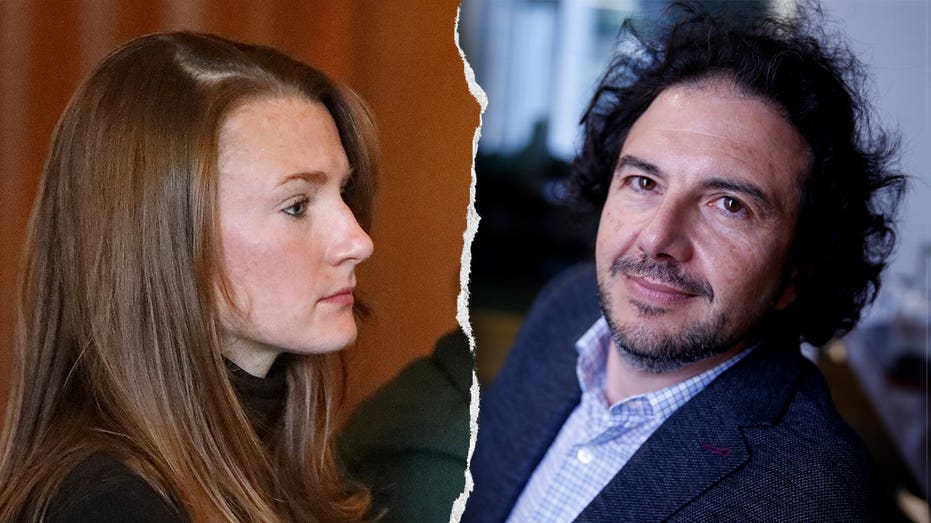

A Massachusetts jury awarded former MIT biologist David Sabatini $6 million in a defamation case involving sexual misconduct allegations. The claims contributed to the loss of his tenured position and roles at research institutions. Former colleague Kristin Knouse is challenging the October verdict, while Sabatini’s legal team is pursuing a cross-appeal.
The dispute centers on a relationship between Sabatini and Knouse. Knouse said the relationship was coerced and created an inappropriate workplace environment. Sabatini maintained that it was consensual. His lawyers argued that contemporaneous messages contradicted Knouse’s later claims.
The case has drawn attention to the different standards used in institutional investigations and civil trials, as well as the consequences of reporting alleged misconduct and the rights of accused employees.
| 1) | The $6 million defamation verdict |
| 2) | The relationship at the center of the dispute |
| 3) | Investigations and career consequences |
| 4) | Arguments over reporting misconduct |
| 5) | Appeals and Sabatini’s research work |
The $6 million defamation verdict
The Suffolk County jury found that statements and claims made by Knouse about Sabatini were defamatory and ordered her to pay $6 million. The trial examined whether allegations of sexual harassment and rape were supported by the evidence presented in court.
Ellen Zucker, Knouse’s attorney, said her client would challenge the October decision. The appeal is expected to address the evidence, legal instructions and treatment of the underlying workplace investigation. Sabatini’s attorney, Lisa G. Arrowood, said the verdict should withstand review.
“The jury verdict in this case should have no impact on women who truly have been harassed or abused and decide to report the misconduct,” Lisa G. Arrowood said.
The relationship at the center of the dispute
Sabatini and Knouse first met in 2012, when Knouse was a doctoral student in the Harvard-MIT M.D./Ph.D. program and Sabatini served on her thesis committee. According to court documents, they began a relationship in 2018 after Knouse became a Whitehead Fellow.
Sabatini described the relationship as consensual. Knouse alleged that it was coerced and that Sabatini created an inappropriate professional dynamic. Text messages introduced during the litigation included comments by Knouse about feeling treated as a backup and competing with other women. One message about a hotel-room visit during a work retreat included the phrase “#hetoo.”
Sabatini’s lawyers argued that the messages provided contemporaneous evidence inconsistent with later allegations. Knouse’s lawyers maintained that the messages did not disprove her account or the power imbalance she described.
Investigations and career consequences
The professional consequences occurred before the civil trial. A 2021 investigation at the Whitehead Institute concluded that Sabatini violated its workplace relationship policy. Internal Title IX proceedings also concluded that he violated institutional policies by entering an undisclosed romantic relationship with a junior researcher.
MIT later removed Sabatini from his tenured position, and he resigned in 2022. The Howard Hughes Medical Institute dismissed him, while the Whitehead Institute also ended his role. MIT and the Howard Hughes Medical Institute were not defendants in the defamation case.
Sabatini’s legal team argued that institutional decisions were made before all evidence could be tested in a civil courtroom. Critics of the process point to the lower burden of proof in campus proceedings and the limited ability of accused individuals to cross-examine complainants.
Arguments over reporting misconduct
Knouse’s appeal presents the case as a warning to people who report workplace misconduct. Zucker argued that the possibility of being sued could discourage women and other witnesses from participating in institutional investigations, particularly when the accused person is powerful or well established.
“When someone can get sued for having spoken out, that kills the willingness of anyone to participate in an investigation,” Ellen Zucker said.
Sabatini’s lawyers rejected that characterization. Arrowood said the verdict concerned the specific evidence in this case and did not undermine truthful reports of harassment or abuse. She argued that documents written by Knouse at the time supported the jury’s conclusion that the allegations were false and defamatory.
Appeals and Sabatini’s research work
Knouse is pursuing an appeal, while Sabatini’s team is filing its own cross-appeal. His lawyers want the appellate court to revisit an earlier decision dismissing the Whitehead Institute from the lawsuit. The formal briefing schedule was still pending after the trial court proceedings.
The legal fight follows years of professional disruption for Sabatini, whose research career had been based in the United States. Investor and activist Bill Ackman funded a new laboratory for him in Prague, where he has continued cancer research.
The appeals could affect the financial judgment, the parties’ remaining claims and the wider debate over institutional investigations. Until the appellate process is completed, the jury’s award remains subject to further legal review.
| Number | Key Point |
|---|---|
| 1 | A Massachusetts jury awarded David Sabatini $6 million. |
| 2 | Kristin Knouse alleged coercion and workplace misconduct, while Sabatini said the relationship was consensual. |
| 3 | Institutional investigations found violations of workplace policies. |
| 4 | Both sides are preparing appeals involving reporting and due process arguments. |
| 5 | Sabatini continues cancer research in a laboratory in Prague. |
Summary
The verdict gives David Sabatini a significant legal victory after institutional findings ended his American academic career. The pending appeals will examine the evidence surrounding the relationship and the legal standards applied to the parties’ competing claims. The case combines defamation law with questions about workplace reporting, university investigations and procedural fairness.
Frequently Asked Questions
What did the jury award David Sabatini?
A Massachusetts jury awarded Sabatini $6 million in a defamation judgment involving claims made by former colleague Kristin Knouse.
What did Kristin Knouse allege?
Knouse alleged that her relationship with Sabatini was coerced and created an inappropriate workplace dynamic. Sabatini denied the allegations and said the relationship was consensual.
Why are both sides appealing?
Knouse’s legal team argues that the verdict could discourage people from reporting misconduct. Sabatini’s team is defending the award and seeking review of an earlier decision that dismissed the Whitehead Institute from the lawsuit.
Where is Sabatini conducting research now?
Sabatini continues cancer research at a laboratory in Prague funded by activist and investor Bill Ackman.
