

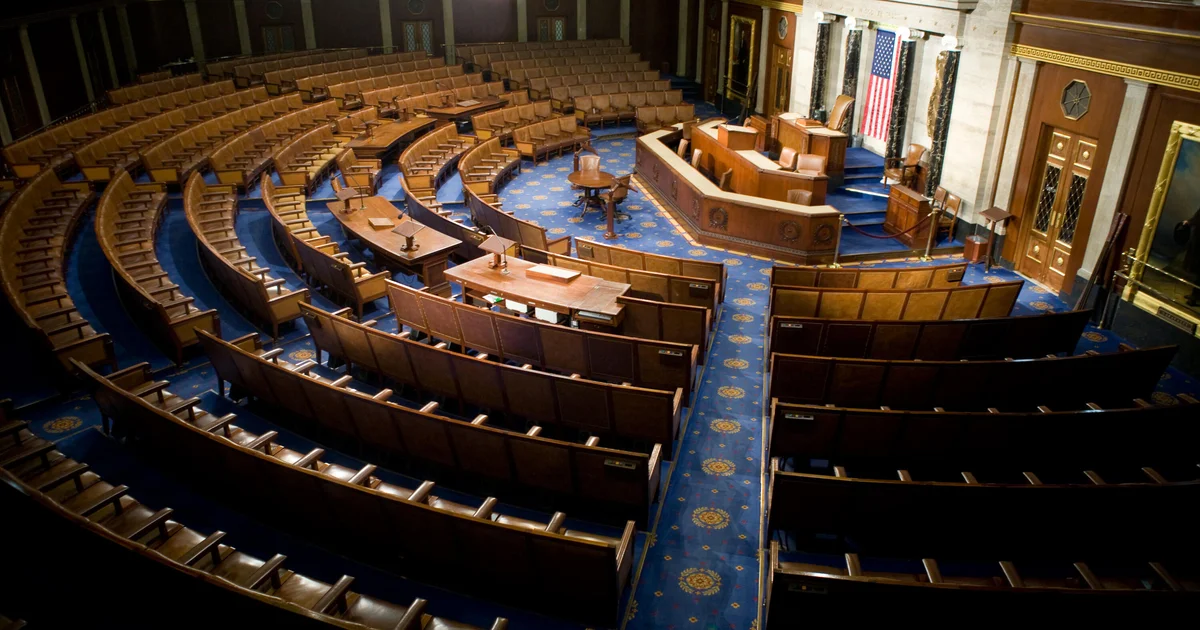

Following the recent midterm elections, newly elected House members arrived in Washington for their orientation, expressing a collective commitment to addressing the affordability crisis facing Americans. With Democrats now holding a majority in both chambers, members from both parties emphasize the necessity of lowering the cost of living and holding the previous administration accountable. As these freshman lawmakers embark on their journey, they are keenly aware of the pressing economic challenges and the urgent need for bipartisan cooperation to enact meaningful changes.
| Article Subheadings |
|---|
| 1) Focus on Affordability |
| 2) GOP Members Address the Challenges |
| 3) Bipartisanship in the New Congress |
| 4) The Progressive Caucus’ Vision |
| 5) Moving Forward Together |
Focus on Affordability
Amid a rapidly changing political landscape, newly elected representatives are placing affordability at the forefront of their agendas as they enter Congress. With the recent election results reflecting significant shifts in voter sentiment, these legislators are acutely aware of the economic pressures affecting American families. Scott Wiener, from California’s 11th Congressional District, articulated this sentiment, saying, “We can walk and chew gum, but lowering people’s cost of living is the most important.” This statement echoes the shared commitment among lawmakers, primarily within the Democratic Party, to seek solutions that alleviate financial burdens on the populace.
In discussions with electoral peers, Adrian Boafo from Maryland’s 5th Congressional District highlighted that a central issue for their caucus is determining the parameters of the affordability agenda. His focus is particularly on federal workers, emphasizing, “Federal workers are extraordinarily important … 85,000 federal workers in my district, 30,000 in the state who have been laid off.” The emphasis on federal employment reflects a broader goal of stabilizing local economies and advocating for the federal workforce’s rights and benefits.
Connecticut’s 1st Congressional District representative, Luke Bronin, voiced a bold agenda, stating, “As a Democratic Party, we have to bring a whole new energy to this fight.” His assertion encapsulates the urgency perceived by many lawmakers to enact significant reforms in critical areas such as healthcare and housing, which have been seen as increasingly unaffordable. As these freshmen lawmakers gather to strategize, their collective experiences and backgrounds are expected to contribute to an energized and focused approach toward addressing these ongoing issues.
GOP Members Address the Challenges
Conversely, Republican representatives who now find themselves in a minority must confront the challenge of redefining their party’s strategies. Chris Stigall from Missouri’s 6th District reflected on the ramifications of the midterm elections, stating that there was a “message sent last Tuesday night.” He underscored the need for the GOP to reconnect with voters, articulating a desire to engage at the grassroots level. “I hope, as a new member, I can be on the ground level of figuring out how we can reconnect and better message to the needs of the American people,” he remarked.
In Tennessee, GOP Rep.-elect Charlie Hatcher indicated his priorities would include addressing diesel fuel prices which he noted profoundly impact many sectors, particularly agriculture. He commented, “Price of diesel fuel is affecting most everybody, especially farmers. And I’m a farmer, and that’s one of my top issues as well.” This focus on energy costs highlights the interconnected nature of supply chains and the economy’s reliance on affordable energy resources.
Hatcher’s views resonate with concerns raised across the board among lawmakers about how fluctuations in fuel prices ripple through various aspects of American life, from transportation costs to grocery prices. Discussions among GOP members emphasize that despite their minority status, they remain intent on influencing policy discussions, particularly around economic issues crucial to their constituents.
Bipartisanship in the New Congress
The potential for collaboration among legislators was a recurring theme, with new Republican members acknowledging the need for partnerships to advance legislation beneficial to all Americans. Chris McGowan, a GOP representative-elect from Iowa, stated, “we have to recognize that my party is now in a significant minority.” His call for cooperation signals a pragmatic approach within the party to prioritize collective goals over party lines.
Congressman-elect Jon Bonck from Texas expressed similar sentiments, suggesting a willingness to work with Democrats on universal issues like housing affordability and healthcare reform. “If it’s fixing housing affordability, deregulating industries, or getting the government out of healthcare,” he said, “I’d love to meet Democrats that will do those kinds of things.” His statements reveal an openness to bipartisan efforts and a recognition that cooperation may be essential in achieving legislative success.
This spirit of collaboration may now play a crucial role as lawmakers on both sides face significant challenges, including rising living costs and economic stagnation. By embracing a more cooperative legislative environment, both parties could work towards sustainable solutions that benefit their constituents and enhance the overall welfare of the country.
The Progressive Caucus’ Vision
Meanwhile, the Congressional Progressive Caucus welcomed an impressive influx of new members, marking an evolution in the Democratic Party’s approach to its priorities. Rep. Greg Casar, the chair of the caucus, highlighted the arrival of at least 25 new progressive members as “the largest class of progressive members.” This shift signifies a concerted effort by the Democratic side to deliver on long-standing commitments that have frequently fallen short in previous Congressional sessions.
Casar pointedly mentioned that past legislative failures on critical issues, including the expansion of Social Security and reforming tax policies targeting billionaires, stemmed from a narrow majority that was easily swayed by special interests. “In the past, Democrats, with a narrow majority, have failed to pass Social Security expansion or taxing billionaires because special interests have been able to peel off just one or two members,” he noted.
With a more sizable majority now, the progressive faction believes it can push through its agenda effectively. Rep. Pramila Jayapal, a prominent progressive figure, reiterated the caucus’ goals of combating corruption and improving affordability while ensuring accountability. “Taking on corruption, taking on affordability, making sure we end endless wars,” she articulated as key focuses for the group moving forward. This direction highlights a commitment to substantial reforms that resonate with their constituents, particularly during economic instability.
Moving Forward Together
As these legislative newcomers begin their sessions, a prevailing commitment to addressing pressing economic issues unites them, overshadowing party lines. They recognize the importance of not only addressing the cost of living but also advocating for transparency and accountability within their ranks. This environment suggests a transformative moment in Congress, with members eager to prioritize the interests of their constituents over polarizing ideologies.
Amidst shifting political dynamics, there exists an opportunity for lawmakers to develop innovative solutions that address the concerns of everyday Americans. Many congressional members are cultivating a culture of bipartisanship, emphasizing that tackling affordability and accountability can lead to positive outcomes for all constituencies, irrespective of party affiliation. As these new leaders forge ahead, their collaborative spirit may indeed herald a new chapter in Washington’s approach to governance.
| No. | Key Points |
|---|---|
| 1 | Newly elected House members prioritize affordability for Americans amidst rising costs. |
| 2 | Republican members reflect on their minority status, emphasizing the need for new strategies and messaging. |
| 3 | Bipartisanship is crucial as new legislators discuss collaborations on shared interests. |
| 4 | The Progressive Caucus sees significant growth, positioning itself to push a bold agenda. |
| 5 | A collective focus on accountability and economic issues may reshape legislative approaches moving forward. |
Summary
In summary, the arrival of newly elected House members signals a pivotal moment in U.S. politics as they recognize the immediate necessity to alleviate economic pressures on constituents. Both Democrats and Republicans express a willingness to seek common ground while addressing crucial affordability issues. Furthermore, the emergence of the Progressive Caucus highlights a robust commitment toward enacting reforms previously regarded as too ambitious. As these legislators embark on their terms, the potential for collaboration and decisive action offers hope for meaningful change in Washington.
Frequently Asked Questions
Question: What priorities have newly elected lawmakers identified?
Newly elected lawmakers have identified lowering the cost of living, ensuring accountability from the previous administration, and addressing the needs of federal workers as key priorities for their legislative agenda.
Question: How are Republican representatives approaching their roles in a minority?
Republican representatives are focusing on redefining their strategies and emphasizing the need for bipartisanship to effectively address the needs of their constituents despite their minority status.
Question: What is the Progressive Caucus focusing on?
The Progressive Caucus is focusing on taking on issues related to affordability, combating corruption, and ensuring that previously failed reforms are addressed with a larger Democratic majority in Congress.
