

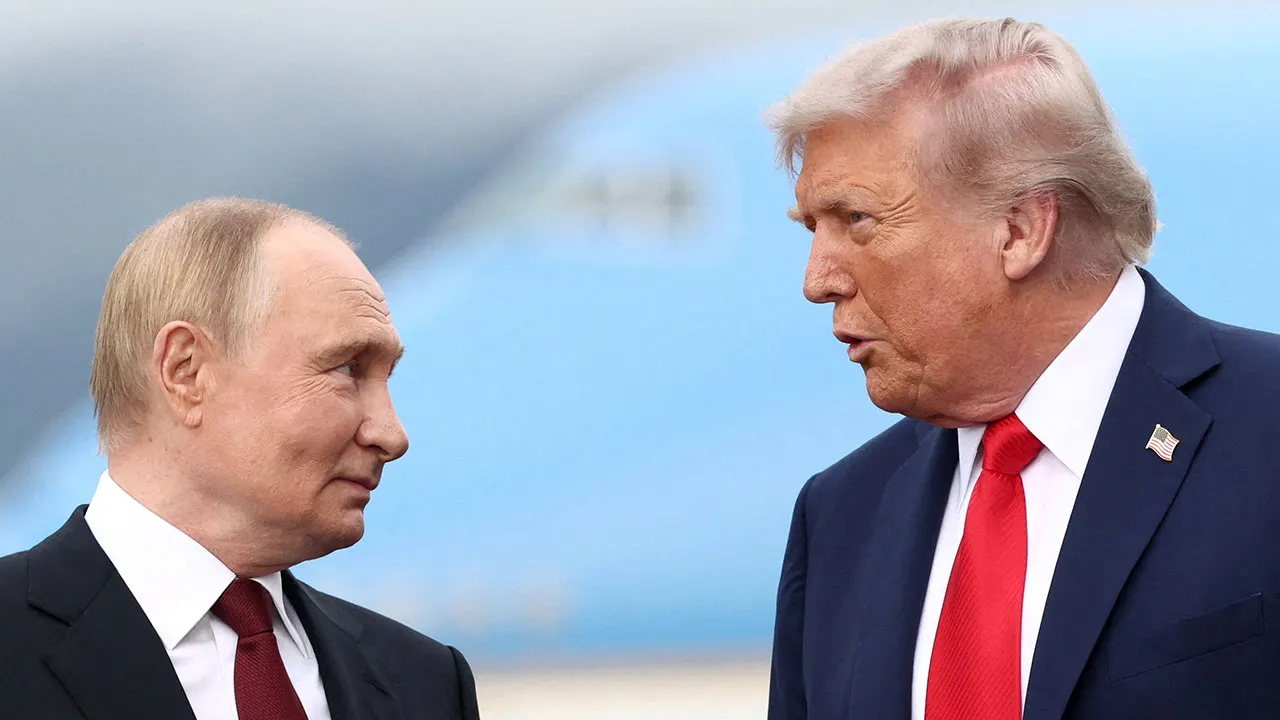

In a recent development surrounding international diplomacy, President Donald Trump has proposed that a new deal with Russia could reshape European security and potentially bring an end to the ongoing war in Ukraine. This initiative has generated concern among NATO allies who fear that Vladimir Putin‘s intentions may extend beyond Ukraine, as echoed by retired General Philip Breedlove, a former Supreme Allied Commander of NATO. Concurrently, Ukrainian President Volodymyr Zelenskyy has expressed apprehension about any negotiations reminiscent of the 1945 Yalta Conference, urging that Ukraine should have a direct say in any agreements affecting its future.
| Article Subheadings |
|---|
| 1) Trump’s Proposition for a Comprehensive Deal |
| 2) Concerns from NATO and European Leaders |
| 3) Zelenskyy’s Opposition to a “Yalta 2.0” |
| 4) American Diplomatic Strategy Moving Forward |
| 5) The Path Ahead for Ukraine and Europe |
Trump’s Proposition for a Comprehensive Deal
President Donald Trump has detailed his belief that any agreement with Russia could extend far beyond the borders of Ukraine, possibly encompassing a broader European security framework. After meeting with Russian presidential envoy Kirill Dmitriev, Trump asserted that reaching a substantial agreement is crucial and characterized it as a “big, beautiful agreement” that should excite all parties involved. His rhetoric suggests a potential shift in U.S. foreign policy regarding Europe and its security concerns, particularly as the war in Ukraine continues to escalate.
As tensions persist, Trump’s comments are interpreted within a context where strategic negotiations are essential. The stated goals not only include resolving the conflict in Ukraine but also appear to fundamentally alter the dynamics of European security. This approach has been met with significant scrutiny, as many question whether Trump’s willingness to engage with Putin could lead to effective outcomes or simply further exacerbate existing divides in the international community.
Trump’s approach reflects a broader political narrative, one intertwined with his administration’s history of fluctuating relations with Russia. His emphasis on negotiating a comprehensive deal suggests a possible reemergence of pre-existing diplomatic channels, which may have significant implications for NATO’s collective stance against Russian aggression. Analysts point out that any compromise made without the inclusion of critical European stakeholders could undermine longstanding alliances and security pacts.
Concerns from NATO and European Leaders
The response from NATO and European leaders has been one of deep concern. Retired General Philip Breedlove, who previously served as NATO’s Supreme Allied Commander Europe, has issued stark warnings about Putin‘s overarching ambitions. Breedlove notes that Russia has a strategic plan that envisions creating distinct spheres of influence: Russia controlling Europe, China exerting dominance in the Far East, and the United States managing the Western Hemisphere. He emphasizes that negotiations that disregard European interests are likely to create discontent among NATO allies.
Furthermore, European leaders have voiced apprehensions over unilateral negotiations between the United States and Russia, fearing they could lead to decisions made without their consent or input. Finnish President Alexander Stubb and Norwegian Prime Minister Jonas Gahr Støre engaged in a rare conversation with Putin, pointing to the heightened tensions and the need for collective European dialogue regarding security. Danish Prime Minister Mette Frederiksen criticized any attempts at separate diplomatic initiatives, advocating instead for a united front in diplomatic engagements with Russia.
The hesitance of NATO countries to allow direct negotiations with such significant implications highlights the deep-rooted distrust that has developed towards Russia, especially given its previous aggressive actions in Ukraine. The idea of establishing a framework for European security without full inclusion of European states and the Ukraine raises ethical concerns about respecting national sovereignty and territorial integrity.
Zelenskyy’s Opposition to a “Yalta 2.0”
Ukrainian President Volodymyr Zelenskyy has firmly positioned himself against any discussions that may mirror the 1945 Yalta Conference, where Allied leaders laid the groundwork for post-war Europe while effectively condoning Soviet control over Eastern Europe. Zelenskyy argues that a repeat of such historical negotiating dynamics would essentially divide Ukraine and subordinately place it under the influence of Moscow. He has made his opposition clear, stating, “We don’t want to be divided by Russia,” cautioning that past agreements could pose significant dangers for his nation.
Zelenskyy’s stance is aligned with the growing sentiment among Eastern European nations who fear Russian expansionism. His comments highlight the importance of including Ukraine in any peace talks, reflecting a broader desire for Ukraine to maintain its sovereignty and territorial integrity amidst ongoing conflict. The Ukrainian leader’s call for direct engagement also underlines the need for transparency in diplomatic negotiations and expresses a definitive rejection of compromises that could jeopardize Ukraine’s future.
As concerns mount, Zelenskyy has reaffirmed his commitment to securing a resolution that favors Ukraine, pushing back against any existing narratives that propose sidelining it in future talks. The Ukrainian leadership’s resolve is aimed not only at ensuring national security but also at safeguarding the democratic principles that underpin the stability of the region.
American Diplomatic Strategy Moving Forward
As discussions progress, American diplomats are increasingly focusing on defining what Europe could potentially look like following the end of the conflict in Ukraine. Secretary of State Marco Rubio recently indicated that conversations centered on post-war European structures are already active among international representatives. Rubio emphasized that this is a key discussion point, reflecting an acknowledgment that the decisions made now will shape future relations between these nations for generations to come.
In light of recent events, including Trump’s statements and the forthcoming negotiations in Abu Dhabi, U.S. diplomats are tasked with balancing the quest for peace with the upholdment of national interests among its allies. The American administration must exhibit a clear understanding of the complex geopolitical landscape as it steers discussions away from confrontational stances and towards potential collaboration.
However, experts like Breedlove have raised doubts about the feasibility of a broader agreement that could satisfy all involved parties. He warns that any attempt to implement a deal that undermines Europe’s security in favor of Russian interests is bound to encounter substantial resistance. The expectation that European nations and Ukraine would agree to any framework proposed without their direct involvement seems unlikely, according to Breedlove, who stresses the importance of respecting the voices of all affected nations.
The Path Ahead for Ukraine and Europe
As the international community braces for the upcoming negotiations, the stakes remain high for Ukraine and its European allies. The intricate web of alliances, historical grievances, and contemporary political maneuvering underscores the complexity that will define future diplomacy. Analysts assert that the role of the EU, NATO, and Ukraine itself cannot be disregarded in discussions that will influence security for all parties involved.
With leaders expressing concerns about potential sidelining, the emphasis on collaborative diplomacy will be vital to any future peace agreements. The perspective that “nothing about Ukraine without Ukraine” resonates strongly among Ukrainian leaders, highlighting the necessity of inclusivity in talks that bear direct consequences for their sovereignty and existence.
The path forward remains fraught with challenges, reflecting the entangled nature of modern transatlantic relations where past legacies influence current strategies. Tensions surrounding Russia’s geopolitical ambitions only serve to escalate the urgency for unified action and diplomatic engagement among Western allies. Moving beyond mere rhetoric will require genuine commitments to dialogue and a willingness to navigate the intricacies of international negotiations effectively.
| No. | Key Points |
|---|---|
| 1 | Trump proposes a comprehensive deal with Russia that might extend beyond Ukraine. |
| 2 | NATO leaders express concerns about unilateral U.S.-Russia agreements. |
| 3 | Zelenskyy warns against negotiating terms reminiscent of the Yalta Conference. |
| 4 | American diplomats are defining Europe’s future post-Ukraine conflict. |
| 5 | The necessity of inclusivity in discussions affecting Ukraine’s sovereignty is emphasized. |
Summary
The current landscape of negotiations surrounding the Ukraine war and discussions about European security underscore a critical juncture in international relations. President Trump’s proposition for a potential arrangement with Russia raises significant questions about the future dynamics between Western nations and the challenges posed by Russian ambitions. The sentiments expressed by NATO leaders and President Zelenskyy highlight a pervasive unease regarding the inclusion of European voices in decisions affecting their security. As the world watches closely, the outcomes of these diplomatic efforts could redefine alliances and alter the security architecture of Europe for years to come.
Frequently Asked Questions
Question: What does Trump mean by a “big, beautiful agreement”?
President Trump suggests that a new agreement with Russia could address not just the war in Ukraine but broader European security implications, potentially creating a new framework for cooperation.
Question: Why are NATO leaders concerned about Trump’s dealings with Russia?
NATO leaders are worried that potential agreements made between the U.S. and Russia may overlook the security concerns and interests of European nations, risking their sovereignty and informal agreements made in the past.
Question: What is Zelenskyy’s main concern regarding negotiations with Russia?
President Zelenskyy is primarily concerned that any agreements may repeat historical mistakes akin to the Yalta Conference, which undermined Ukraine’s sovereignty by allowing external powers to dictate its fate without its input.
