

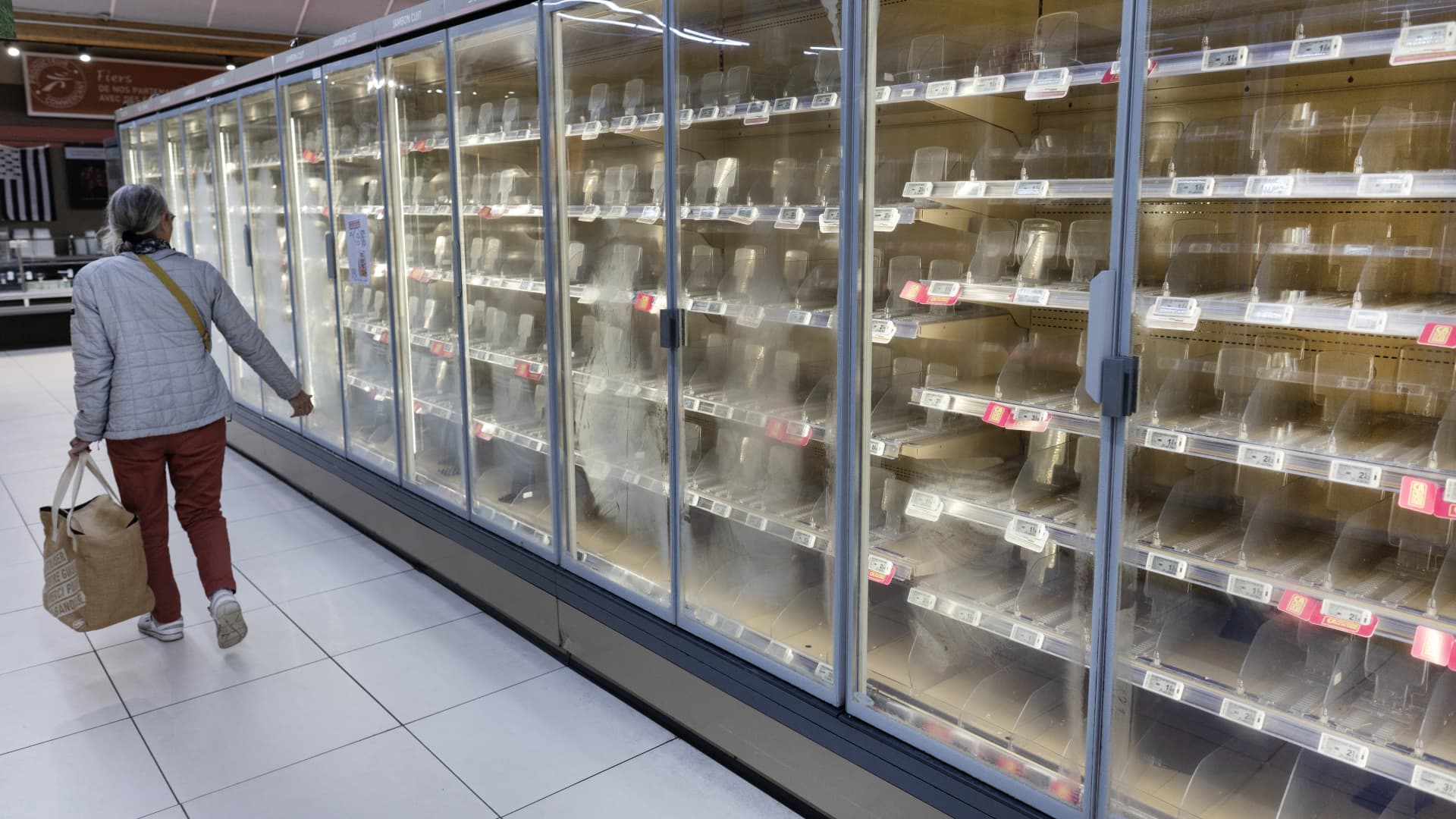

The French government has launched an investigation into a mass cyberattack on supermarket refrigeration systems, which it attributes to Iranian operatives. This attack, which occurred from October 11 to October 12, resulted in significant damage and disruption, affecting over 700 grocery stores and causing temperatures in refrigeration units to rise dangerously high. In response, France’s Foreign Minister, Jean-Noël Barrot, indicated that the country may impose sanctions and other measures against those responsible, while Iran has vehemently denied any involvement in the hacking incident.
| Article Subheadings |
|---|
| 1) Investigative Findings Point to Iranian Hackers |
| 2) French Government’s Proposed Sanctions |
| 3) Broader Implications for European Security |
| 4) Cybersecurity Concerns Across Europe |
| 5) Statements from Officials and Experts |
Investigative Findings Point to Iranian Hackers
The cyberattacks that occurred during the night of October 11 to 12 have raised significant concerns regarding the security of critical infrastructure in France. The investigation, spearheaded by the Paris Prosecutor’s Office, indicated that the hacks targeted refrigeration systems utilized in approximately 700 grocery stores, including major retailers such as Intermarché, E. Leclerc, Carrefour, and Monoprix. According to statements released by the authorities, the attackers were able to manipulate refrigeration controls, resulting in temperatures rising by over 50 degrees Celsius (122 degrees Fahrenheit). This increase led to food spoilage and significant damage, amounting to tens of millions of dollars in losses.
Investigators reported that evidence collected during the inquiry revealed the use of Farsi language and IP addresses traced back to devices located in Iran. These details point towards a sophisticated operation purportedly executed to benefit a foreign power, specifically Iran. The attackers exploited vulnerabilities in the refrigeration systems’ web interfaces, allowing them to initiate unlimited defrost cycles while disabling crucial safety alerts that generally activate under extreme temperature conditions.
French Government’s Proposed Sanctions
In response to these unprecedented cyberattacks, the French government has taken a firm stance, voicing strong condemnation of what it calls the “unacceptable” actions of the Islamic Republic of Iran. French Foreign Minister, Jean-Noël Barrot, announced that measures may include barring key individuals from entering European territories and freezing assets tied to Iranian entities believed to be connected to the attacks. The goal, according to the Ministry for Europe and Foreign Affairs, is to deter any subsequent aggressive acts targeting France or its regional interests, which could escalate tensions further.
Moreover, the French government plans to propose new European sanctions aimed at Iranian institutions and individuals found to be complicit in the cyberattacks. The Ministry declared that these actions represent a significant threat to French critical infrastructure, marking the incidents as unprecedented in terms of scale and aggressiveness. Officials emphasize the necessity of robust international responses to cyber threats that jeopardize the security and stability of nations.
Broader Implications for European Security
The recent cyberattacks are not isolated incidents; rather, they reflect broader vulnerabilities facing Europe concerning cybersecurity. In November, additional reported incidents surfaced wherein supermarket refrigeration units across Belgium, Luxembourg, the Netherlands, Finland, Ireland, and Sweden were targeted, indicating a region-wide concern. These incidents have prompted serious discussions among European leaders about enhancing collective cybersecurity measures.
Furthermore, French blood banks also experienced significant disruptions due to similar cyberattacks, which led to dangerously high temperature settings in critical storage units for blood products and medical samples. The ramifications of such attacks are deeply troubling across both the retail and healthcare sectors, highlighting a pressing need for a unified approach to combat cyber threats that risk devastating consequences for public health and safety.
Cybersecurity Concerns Across Europe
The wave of cyberattacks earlier this year has underscored serious vulnerabilities within European infrastructure. Experts warn that the interconnected nature of digital systems across the continent makes them susceptible to similar or more severe attacks in the future. Cybersecurity specialists have expressed alarm over how easily the attackers managed to exploit weaknesses in the systems without sophisticated protections in place. Alarmingly, the issue of inadequate cybersecurity measures raises questions about the preparedness of essential services against future threats.
Cybersecurity advocate Simon Edwards, CEO of SE Labs, posits that the situation reflects a message from hostile actors to European governments about their potential to interfere with critical infrastructure. Edwards remarked on the disconcerting ease with which these operations occur, urging scrutiny of why such refrigerated systems were connected to the internet without adequate safeguards. This situation prompts calls for immediate addressal of cybersecurity hygiene across a wide array of sectors interacting with sensitive public infrastructure.
Statements from Officials and Experts
In the wake of the attacks, both French officials and international cybersecurity experts have been vocal about the ramifications and the needed actions going forward. The French government has publicly requested that the Iranian Ambassador be summoned to discuss the situation further.
“This actor poses a persistent threat to our critical infrastructure. These destructive cyberattacks are unjustifiable, inexcusable, and violate international law,”
noted a representative from the Ministry of Europe and Foreign Affairs.
Meanwhile, the Iranian Ministry of Foreign Affairs has categorically rejected France’s claims, asserting that they are “baseless and malicious.” They argue that these accusations aim to distract from France’s own issues regarding its policies in the Middle East. As the situation unfolds, ongoing discussions will be crucial for both diplomatic relations and ensuring that such cybersecurity breaches are mitigated in the future.
| No. | Key Points |
|---|---|
| 1 | France believes Iranian hackers were responsible for significant cyberattacks on supermarket refrigeration units. |
| 2 | The attacks, which caused food spoilage and millions in damages, prompted discussions of potential sanctions against Iran. |
| 3 | The incidents necessitate a broader examination of cybersecurity vulnerabilities affecting Europe as a whole. |
| 4 | Experts emphasize the urgent need for improvement in cybersecurity measures and coordination among nations. |
| 5 | Iran has denied involvement, calling France’s accusations a diversion from its own international policies. |
Summary
The cyberattacks targeting French supermarket refrigeration systems represent a significant escalation in cyber aggression that highlights both the vulnerabilities present in European infrastructure and the urgent need for strategic responses. As investigations continue and punitive measures are proposed, the incident underscores the importance of international collaboration to combat cyber threats, protect critical infrastructure, and maintain national security. The ongoing tensions between France and Iran further complicate the diplomatic landscape, necessitating careful dialogue to mitigate future conflicts.
Frequently Asked Questions
Question: What are the key consequences of the cyberattacks on French supermarkets?
The cyberattacks caused severe disruptions to refrigerator systems in over 700 grocery stores, leading to significant financial losses and food spoilage. They also raised alarms regarding the security of critical infrastructures across Europe.
Question: How has France responded to the allegations against Iran?
France has condemned the attacks, proposed sanctions against Iranian entities involved, and summoned the Iranian Ambassador to discuss the situation further.
Question: What are the implications of this incident for cybersecurity in Europe?
The incident highlights crucial vulnerabilities within European cybersecurity frameworks and suggests a need for enhanced cooperation and cybersecurity measures among European nations to prevent similar attacks in the future.
