

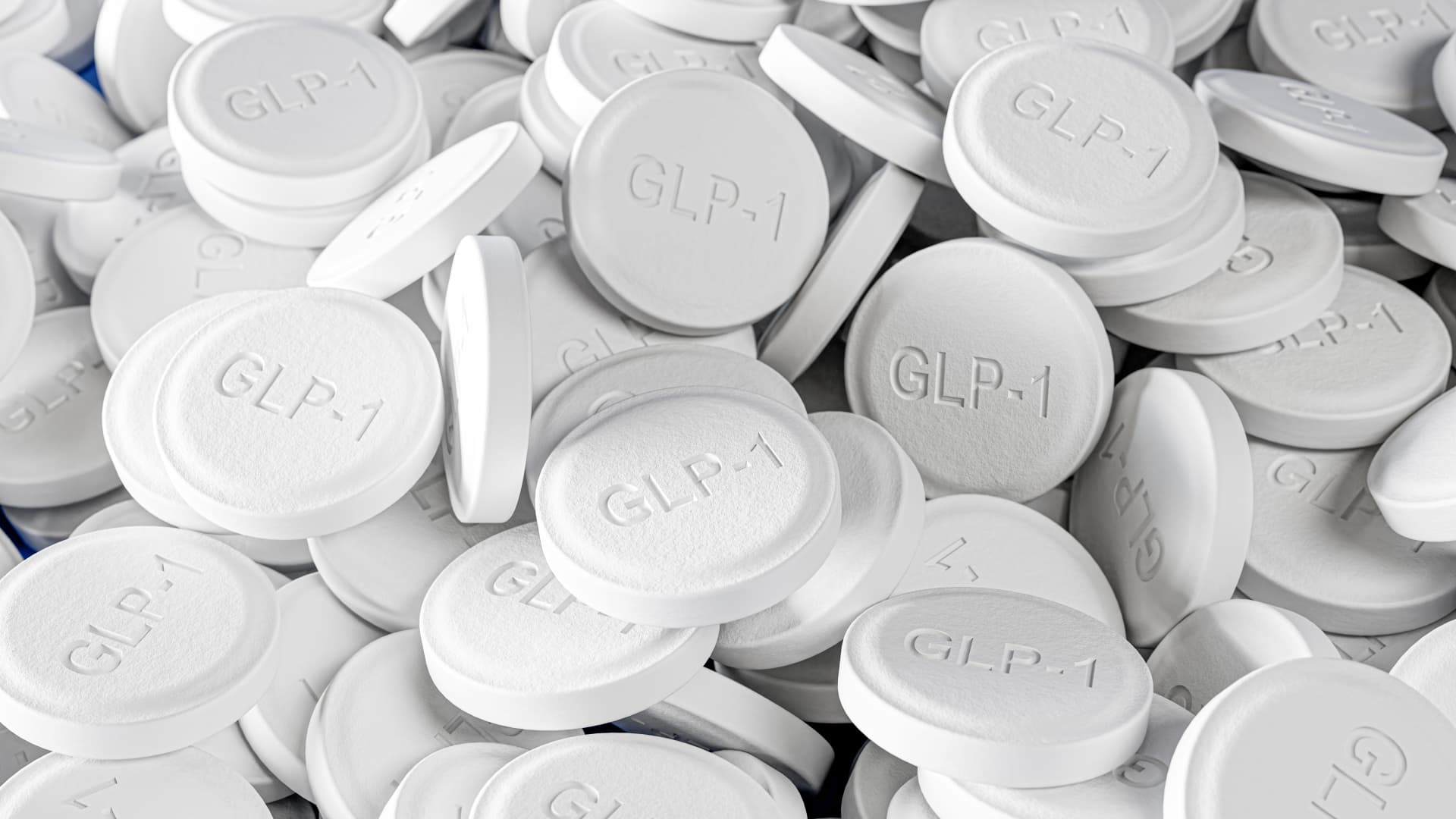

In a recent development, the U.S. Food and Drug Administration (FDA) announced new safety warnings for all glucagon-like peptide-1 (GLP-1) medications, due to emerging evidence of a rare eye condition known as nonarteritic anterior ischemic optic neuropathy (NAION). This condition, which can lead to sudden vision loss, has been linked to the use of these medications, although a definitive causal relationship has not yet been established. The FDA’s requirement for updated warnings underscores the agency’s commitment to patient safety while balancing the benefits of GLP-1 drugs, which have been shown to provide significant health improvements.
| Article Subheadings |
|---|
| 1) Overview of GLP-1 Drugs and NAION |
| 2) FDA’s Investigation and Findings |
| 3) Responding to the Safety Warnings |
| 4) Implications for Patients and Healthcare Providers |
| 5) Future Outlook on GLP-1 Medications |
Overview of GLP-1 Drugs and NAION
GLP-1 medications, primarily used to manage type 2 diabetes and promote weight loss, have gained popularity in recent years. These drugs, including widely-known examples like Ozempic and Wegovy, work by mimicking the incretin hormone, which helps lower blood sugar levels and increase feelings of fullness. However, with the increasing use of these medications, the FDA has found evidence linking them to NAION, a rare but serious condition that can result in sudden vision loss. NAION arises due to a decrease in blood flow to the optic nerve, although the exact mechanisms remain unclear. As of now, the relationship between GLP-1 medications and NAION is under close scrutiny, with health agencies prioritizing patient safety while assessing the overall benefits of these treatments.
FDA’s Investigation and Findings
The FDA’s recent safety warning follows a thorough investigation involving clinical trials, patient data, and published research. An analysis encompassing 126 clinical trials with over 134,000 patients indicated a noteworthy discrepancy in NAION occurrences; there were 6.4 reported cases per 100,000 patient-years among individuals using GLP-1 medications compared to 3.8 cases in those receiving alternative treatments or placebos. This substantial difference has prompted the FDA to require labeling changes for all GLP-1 medications, emphasizing the risks associated with NAION. Additionally, several observational studies have corroborated the FDA’s findings, further raising alarms regarding the safety profile of these popular drugs.
Responding to the Safety Warnings
In response to the FDA’s findings, manufacturers of GLP-1 medications are now mandated to implement clear warnings on their product labels regarding the potential risk of NAION. This proactive measure aims to inform both healthcare professionals and patients about the possible adverse effects. Industry analysts suggest that while the FDA’s labeling action will likely attract attention, it may not significantly affect the overall uptake of GLP-1 medications. Given the rarity of NAION, many analysts believe the benefits of these drugs—such as weight management, glycemic control, and cardiovascular benefits—will continue to outweigh the risks for most patients. However, the new requirements may prompt heightened caution and further discussions between patients and healthcare providers.
Implications for Patients and Healthcare Providers
For patients currently using GLP-1 medications or considering them as a treatment option, these new warnings necessitate a conversation with healthcare providers about the potential risks and benefits. Understanding the implications of NAION and monitoring for any unusual changes in vision can help mitigate the risks associated with this condition. Healthcare providers are urged to remain informed about new developments and reassess treatment plans as appropriate. The FDA’s warnings may also encourage clinicians to seek alternative management strategies for at-risk patients, especially those with pre-existing eye conditions or vascular insufficiencies.
Future Outlook on GLP-1 Medications
Looking ahead, the future of GLP-1 medications remains robust, as they continue to demonstrate significant clinical benefits beyond weight loss and glucose control. Nevertheless, the recent FDA warnings highlight the need for ongoing research and vigilance regarding long-term outcomes associated with these drugs. Although the presence of boxed warnings related to potential thyroid tumors already exists for some GLP-1 drugs, the new concerns surrounding NAION serve as a reminder of the complexities involved in drug safety. Regulatory bodies and pharmaceutical companies are likely to invest additional resources into studies focusing on the cardiovascular and long-term effects of these medications in diverse patient populations. Additionally, as healthcare providers navigate the changing landscape of GLP-1 medication management, patient safety and comfort will remain paramount.
| No. | Key Points |
|---|---|
| 1 | The FDA has mandated new safety warnings for GLP-1 medications related to the potential risk of NAION. |
| 2 | NAION can lead to sudden vision loss and is linked to decreased blood flow to the optic nerve. |
| 3 | The analysis of clinical trials indicated a higher incidence of NAION among users of GLP-1 drugs compared to other treatments. |
| 4 | Healthcare professionals are encouraged to reassess treatment plans for patients at risk of NAION. |
| 5 | The ongoing benefits of GLP-1 drugs may continue to outweigh the risks as further research is conducted. |
Summary
The recent safety warnings issued by the FDA regarding GLP-1 medications mark a pivotal moment in the regulation of these drugs, emphasizing the importance of patient safety alongside treatment efficacy. As the medical community navigates the complexities associated with the potential risk of NAION, healthcare providers and patients must engage in informed discussions about the risks versus benefits of these therapies. The FDA’s actions serve as a reminder of the ongoing scrutiny required in the pharmaceutical landscape, while hopeful advancements in research might continue to support the viability of GLP-1 medications for many patients.
Frequently Asked Questions
Question: What is NAION?
Nonarteritic anterior ischemic optic neuropathy (NAION) is a condition that can lead to sudden vision loss due to decreased blood flow to the optic nerve.
Question: How has the FDA responded to the risks associated with GLP-1 medications?
The FDA has mandated that labels for all GLP-1 medications include warnings about the potential risk of NAION as part of an effort to prioritize patient safety.
Question: What should patients discuss with their healthcare providers regarding GLP-1 drugs?
Patients should discuss the potential risks of NAION, along with their overall health status and any pre-existing conditions, to ensure appropriate treatment options are selected.
