

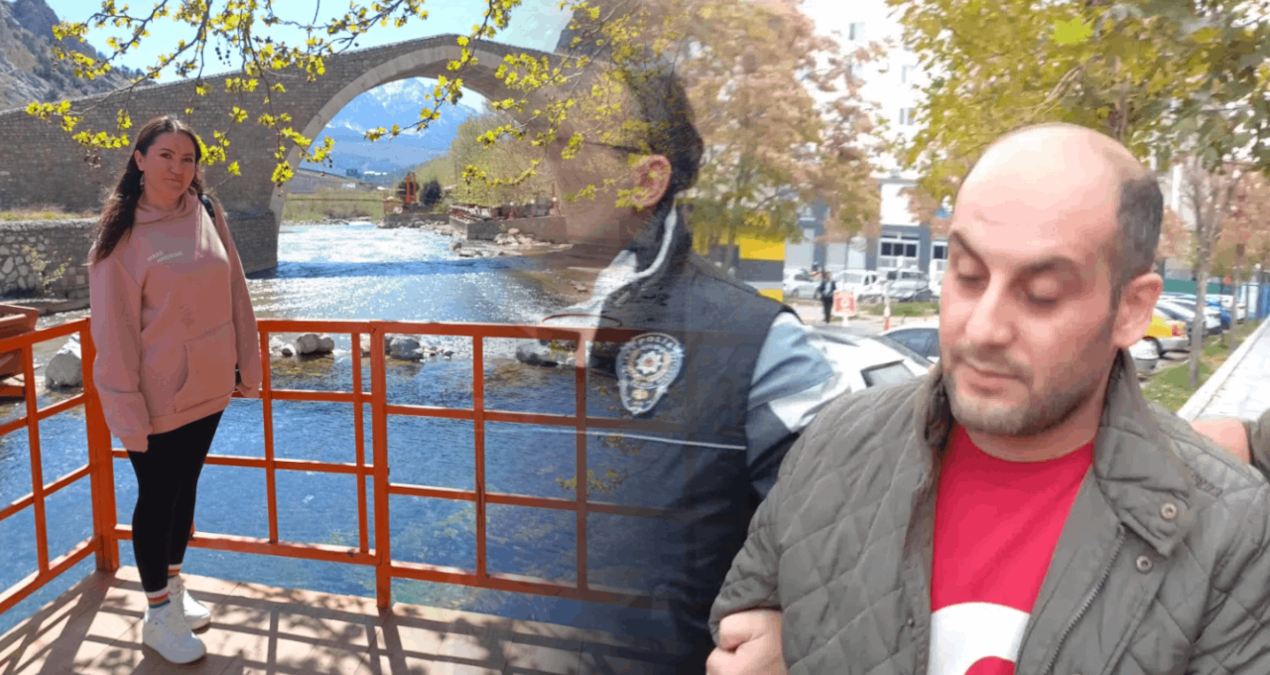

A tragic incident has unfolded in Aksaray, where the life of a young mother, Şefika Yeşildağ, was brutally taken at the hands of her ex-husband, Osman Oruç. The murder occurred on November 2, when Yeşildağ was attacked with 15 stab wounds in her own home. This disturbing case raises serious questions about domestic violence and the apparent failure of protective measures for women facing threats from former partners.
The details surrounding the murder reveal a chilling series of events, including Oruç’s premeditated actions leading up to the attack. Eyewitness accounts from Yeşildağ’s family highlight the fear she lived with regarding her ex-husband’s behavior, illustrating the broader societal implications of domestic violence and the urgent need for reforms to protect vulnerable individuals.
In this article, we will delve into the specifics of the incident, the reactions from the grieving family, and the ongoing discussions about domestic violence and women’s safety in society.
| Article Subheadings |
|---|
| 1) Details of the Incident and Victim’s Background |
| 2) Family’s Reaction to the Murder |
| 3) The Suspect’s Claims and Responses |
| 4) The Broader Context of Domestic Violence |
| 5) Calls for Legal Reforms |
Details of the Incident and Victim’s Background
The murder of Şefika Yeşildağ, a 33-year-old cleaner at Aksaray Training and Research Hospital, occurred on November 2, 2023, as she returned home after her shift. Authorities report that her ex-husband, Osman Oruç, also 33, had an unwelcoming plan to enter her home. It emerged that Oruç had secretly taken a key to the residence the day prior, allowing him easy access during the brutal act that followed.
Yeşildağ was reportedly found with multiple stab wounds, a stark representation of escalating domestic violence. A mother to one child, she had previously divorced Oruç six years ago, a decision that did not lead to a cessation of his aggressive behavior towards her. The events leading up to her murder indicate an alarming level of premeditation by Oruç, who had taken the opportunity to enter Yeşildağ’s home when she was least expecting it.
Family’s Reaction to the Murder
The family of Şefika Yeşildağ expressed their deep sorrow and outrage following the murder. Her mother, Gülizar Yeşildağ, recounted harrowing details of her daughter’s final days, illustrating the long-standing fear that had enveloped her life. In her words, she described how her daughter confided in her about an unsettling incident involving Oruç, who had returned to their shared home under the ruse of wanting to see their child.
“My daughter called me and told me about her fear regarding Oruç and his attempts to make contact,” Gülizar Yeşildağ stated. She emphasized her daughter’s increasing anxiety, particularly in the last three months. This dread prompted her to take preventive measures, such as planning to change the locks on her home. “We were going to report him to the authorities,” she lamented, reflecting on the tragic turn of events.
The Suspect’s Claims and Responses
In a concerning turn of events, Osman Oruç, upon being transported to the courthouse, made statements regarding their relationship. He claimed, “We were planning to come together again,” indicating a level of denial or a desperate attempt at justification. His assertion that Yeşildağ had betrayed him further fueled outrage from the victim’s family, who found this narrative deeply troubling given the circumstances surrounding the murder.
Döne Yeşildağ, Şefika’s sister, countered Oruç’s claims vehemently, asserting that he had violated her home and life repeatedly. She pointed out the absurdity of his statements given that her sister was not only his ex-wife but had reportedly been terrified of his actions. Döne recounted how Oruç had brazenly confessed to another family member post-murder, revealing the calculating nature of his actions.
“He told our mother he had killed Şefika. How can someone like him make claims about loyalty or betrayal?” she argued, highlighting the contradiction between Oruç’s claims and the violent reality he imposed on her sister.
The Broader Context of Domestic Violence
This case brings to light the grave issue of domestic violence, which continues to plague societies around the world. Yeşildağ’s murder serves as a tragic reminder of the consequences that can arise when protective measures are insufficient. Despite numerous restraining orders and warnings, many women still fall victim to their former partners.
“Shafika is now underground,” Döne Yeşildağ said, stressing the urgent need for societal change in how domestic issues are handled. Women often find themselves trapped in cycles of fear and violence, with their cries for help frequently falling on deaf ears. This incident exemplifies a larger trend where systems designed to protect women fail to prevent violent outcomes.
Raising awareness around domestic violence is essential, as is the commitment to enforce laws designed to protect victims. The emotional and psychological scars left by such violence affect not only the individuals involved but also their families and communities.
Calls for Legal Reforms
In the wake of Şefika Yeşildağ’s tragic death, advocates for women’s rights and protection are calling for a reassessment of laws surrounding domestic violence. Many believe that current legislation is inadequate in protecting victims and that stricter measures are needed to ensure the safety of individuals like Yeşildağ.
The chilling details of this case may serve as a catalyst for changes in policy and enforcement. Legal experts argue that increased funding for protective services, better training for law enforcement, and greater public awareness campaigns are necessary steps to assist victims of domestic violence. “No other Shafikas should die,” said Döne Yeşildağ, encapsulating the sentiment shared by many that urgent action is needed to prevent future tragedies.
The dialogue surrounding this case has the potential to contribute significantly to public policy and societal understanding of domestic violence, emphasizing that it is a community issue that requires collective action and responsibility.
| No. | Key Points |
|---|---|
| 1 | Şefika Yeşildağ was murdered by her ex-husband, Osman Oruç, in Aksaray on November 2, 2023. |
| 2 | Osman Oruç gained access to the home with a key he had taken prior to the incident, showing premeditation. |
| 3 | Yeşildağ’s family expressed outrage over the suspect’s claims he had been wronged in their relationship. |
| 4 | The case highlights the ongoing issue of domestic violence and the failures of protective measures for victims. |
| 5 | Advocates are calling for reforms in laws surrounding domestic violence in light of this tragic event. |
Summary
The tragic murder of Şefika Yeşildağ at the hands of her ex-husband, Osman Oruç, underscores the dire reality of domestic violence and the failure of legal systems to protect women. It serves as a stark reminder that the cycle of violence often persists despite protective measures and necessitates an urgent discussion about the effectiveness of current laws. Families like Yeşildağ’s are devastated, prompting them to advocate for significant reforms in protective services and public awareness surrounding domestic violence. The community, policymakers, and legal authorities must take these calls seriously to prevent further tragedies.
Frequently Asked Questions
Question: What led to Şefika Yeşildağ’s murder?
Şefika Yeşildağ was murdered by her ex-husband, Osman Oruç, who had taken a key to her home without her knowledge, allowing him to enter easily. This act of premeditation was followed by a brutal attack in which she suffered 15 stab wounds.
Question: What were the family’s concerns leading up to the murder?
The family had serious concerns for Şefika’s safety, particularly over the past year. They had planned to file a criminal complaint against Oruç for his threatening behavior, but tragically, the actions they intended to take came too late.
Question: How can the community help prevent domestic violence?
Community awareness, education about the symptoms of domestic violence, supporting local resources for victims, and advocating for stronger legal protections are essential steps in preventing domestic violence.
