

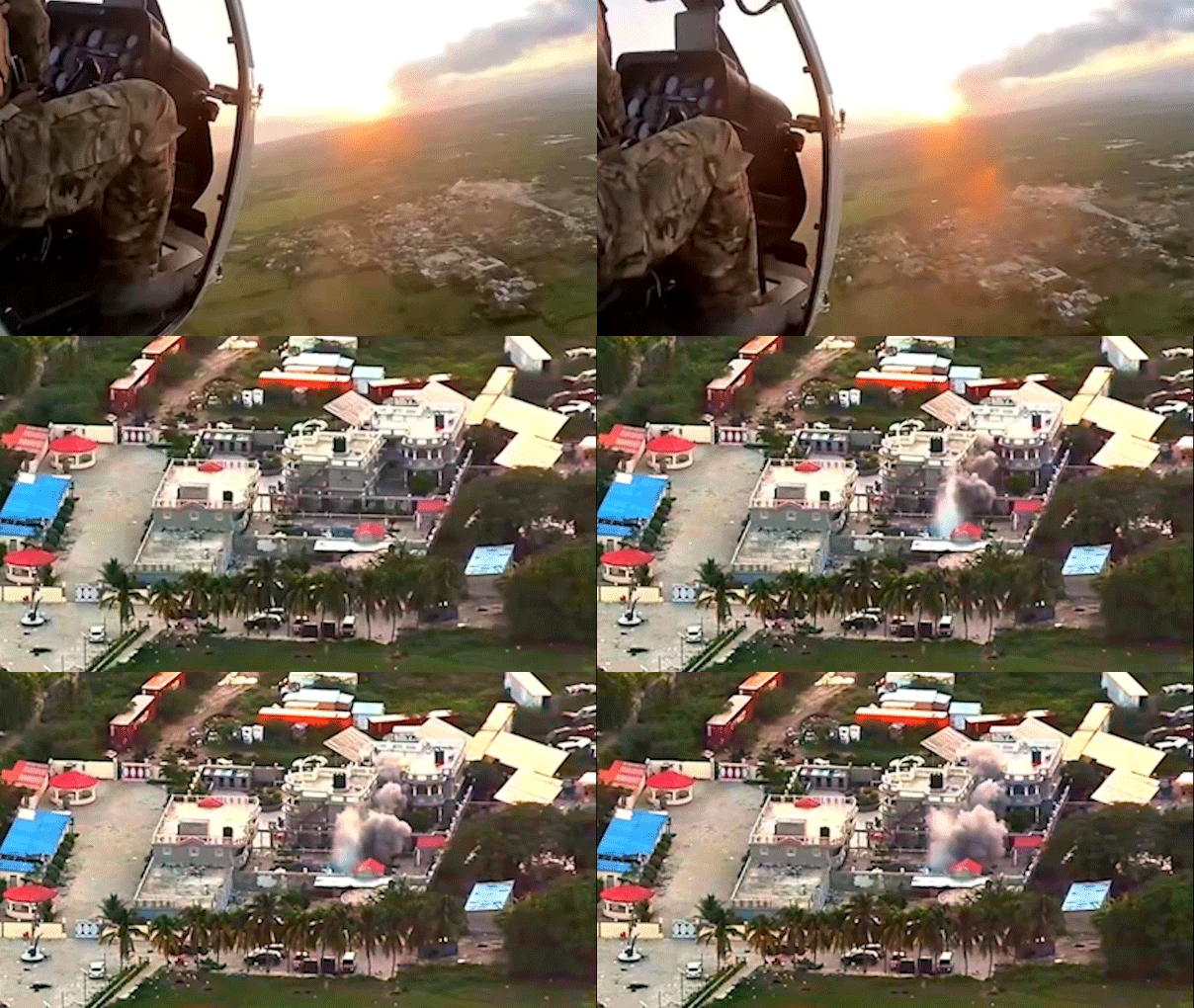

In a significant military operation, the Salvadoran government has claimed responsibility for a powerful air assault targeting one of Haiti’s most notorious criminal gangs, 400 Mawozo, linked to a series of heinous crimes including kidnappings and extortion. The airstrikes, conducted in conjunction with Haitian authorities, struck the gang’s strongholds near the capital, Port-au-Prince, and led to substantial destruction and chaos. The assault marks a bold statement from El Salvador’s President, Nayib Bukele, as he continues to confront gang violence both domestically and regionally.
| Article Subheadings |
|---|
| 1) Overview of the Air Assault |
| 2) The Context behind the Assault |
| 3) International Reactions and Implications |
| 4) The Aftermath of the Operation |
| 5) Future Actions by El Salvador |
Overview of the Air Assault
The air assault, which involved the deployment of Salvadoran military forces, targeted multiple locations associated with the 400 Mawozo gang, including the residence of its leader, Lanmò San Jou. This military action occurred on a Sunday near Port-au-Prince and was carried out in collaboration with a specialized Haitian police task force, showcasing a partnership aimed at disbanding powerful gangs plaguing the region.
As reported, the operation featured helicopter strikes that hit several gang compounds. Shocking footage from the event revealed both helicopters launching missiles while chaos erupted on the ground, with dozens of individuals attempting to flee the scene. In the wake of the attack, some estimates suggest that as many as 20 individuals may have lost their lives, reflecting the high stakes involved in this confrontation between state forces and organized crime.
The Context behind the Assault
The airstrike operation can be traced back to a troubling incident that took place on October 18, when four Salvadoran members of a U.N.-backed security mission were reported missing after an ambush by gang members. This incident heightened tensions and illustrated the pervasive influence gangs possess in Haiti, leading to a dramatic response from the Salvadoran government, which subsequently mobilized thousands of troops to aid in the search for the missing personnel.
In the aftermath of the missing personnel incident, President Bukele made it clear that the safety of Salvadoran citizens was a paramount concern. He emphasized that El Salvador would not shy away from employing overwhelming force in pursuit of justice and the safety of its nationals. This commitment resonates with Bukele’s broader strategy of utilizing hardline tactics against gangs, an approach that has sparked both domestic support and international concern regarding human rights implications.
International Reactions and Implications
Following the operation, international reactions poured in, with Haitian Prime Minister Alix Didier Fils-Aimé expressing gratitude toward Salvadoran forces for their assistance in combatting gang violence. He hailed the collaborative efforts between the Salvadoran military and local law enforcement in their joint fight against the rampant crime that has plagued Haiti for years. This partnership underscores a vital regional effort to restore order and enhance the capabilities of national police forces in both countries.
The operation has broader implications for regional security dynamics, suggesting a shift towards collaborative, multinational initiatives in tackling organized crime. While such military responses may bring short-term relief, it risks escalating violence and creating further instability in a region historically plagued by gang violence. Observers express concerns regarding the potential for retaliatory actions from the gangs while balancing the need to reclaim territories currently under gang influence.
The Aftermath of the Operation
In the wake of the airstrikes, scenes of chaos dominated the headlines, displaying individuals fleeing the scene in all directions. Videos recorded during the assault showed people escaping on foot and motorbikes, indicating the extent of the fear and disruption caused by the military’s actions. President Bukele remarked on the situation, labeling those who fled as cowards and reiterating his stance on the necessity of the operation.
The immediate results of the air assault, however, are mixed. While it destroyed a major gang’s headquarters, doubts remain regarding the long-term effects of such military campaigns. Notably, although some gang leaders may have been eliminated or captured, the underlying issues of violence, poverty, and corruption continue to persist and pose challenges to sustainable peace. The Salvadoran and Haitian governments face the imminent challenge of addressing these complexities beyond merely military solutions.
Future Actions by El Salvador
Looking ahead, President Bukele remains steadfast in his commitment to continuing military operations against gangs, reiterating that the fight is far from over. His government plans to maintain a robust presence in Haiti and expand efforts to collaborate with local authorities to stabilize the situation. According to Bukele, “We kept our promise,” reflecting both a sense of urgency and accountability in his government’s pledge to address gang violence.
Reports indicate that El Salvador will sustain its military engagement and possibly increase forces if instances of gang-related violence escalate further. This continuous military involvement raises questions about its long-term sustainability and the eventual need for a phased withdrawal as local forces regain control. As the Salvadoran leadership navigates these paths, the international community will be closely monitoring these developments.
| No. | Key Points |
|---|---|
| 1 | El Salvador’s military conducted an air assault targeting gang 400 Mawozo in Haiti. |
| 2 | The operation came after the disappearance of four Salvadoran personnel abducted by gangs. |
| 3 | International reactions highlight the collaborative efforts against gang violence. |
| 4 | While operational successes may occur, the enduring issues of violence and poverty persist. |
| 5 | The Salvadoran government signals intentions to sustain military presence in Haiti to stabilize the region. |
Summary
The recent air assault against 400 Mawozo gang strongholds illustrates a significant move by the Salvadoran government under President Nayib Bukele to combat gang violence, extending their military efforts beyond national borders. As El Salvador continues to address the issue of organized crime, the response raises pressing questions about the strategies required to achieve long-lasting peace and stability in both nations. The collaboration between nations may signal a shift towards a more unified approach to tackling challenges posed by organized crime, but long-term solutions are essential for genuine progress.
Frequently Asked Questions
Question: What prompted the air assault against the gang in Haiti?
The air assault was initiated after four Salvadoran members of a U.N.-backed security mission were abducted during a gang ambush, prompting urgent action from the Salvadoran government.
Question: Who leads the gang targeted in the operation?
The gang, known as 400 Mawozo, is led by Lanmò San Jou, who has been linked to various criminal activities, including mass kidnappings and arms trafficking.
Question: What are the potential long-term effects of this military operation?
While the operation may result in immediate tactical successes, there are concerns about the ongoing issues of violence, poverty, and corruption that require comprehensive, sustainable solutions beyond military force.
