


Tensions in the Middle East continue to rise as the United States and Iran navigate a complex diplomatic landscape. At a recent meeting in Washington, President Donald Trump engaged in discussions with Qatar’s Prime Minister, Sheikh Mohammed bin Abdulrahman Al-Thani, amid ongoing efforts to reach a peaceful resolution to the Iran conflict. Despite these diplomatic efforts, the situation remains precarious with limited progress reported and persistent challenges surrounding negotiations, particularly concerning Iran’s demands and the strategic importance of the Strait of Hormuz.
| Article Subheadings |
|---|
| 1) Diplomatic Efforts Continue Amid Tensions |
| 2) The Strait of Hormuz: A Vital Maritime Corridor |
| 3) The Impact of Ongoing Conflicts on Shipping |
| 4) UAE’s Strategic Moves to Mitigate Risks |
| 5) The Global Ramifications of the Hormuz Conflict |
Diplomatic Efforts Continue Amid Tensions
The recent meeting between President Donald Trump and Sheikh Mohammed bin Abdulrahman Al-Thani appears to symbolize an earnest endeavor to foster diplomatic relations amidst rising tensions in the region. Qatar’s involvement signifies its strategic position as a mediator between the United States and Iran. Despite these efforts, Secretary of State Marco Rubio stated that significant barriers remain, underscoring the delicate nature of negotiations that have thus far failed to yield substantial advancements.
This diplomatic dialogue comes at a time when Iran continues to assert its influence in the region, making negotiations increasingly complicated. Recent statements from Iranian officials indicate that Tehran is open to talks but reluctant to concede to foreign pressure. At the heart of this tension is the urgent need for a sustainable resolution to the ongoing threats posed to Gulf states by Iranian missile and drone attacks.
With the Strait of Hormuz as a focal point of these discussions, the pressure mounts on both the U.S. and Iran to find common ground. The presence of U.S. forces in the region, along with ongoing military operations, complicates the diplomatic landscape further. As Rubio expressed, the situation necessitates serious negotiation efforts to reach a viable solution that addresses both the nuclear ambitions of Iran and the security concerns of its neighbors.
The Strait of Hormuz: A Vital Maritime Corridor
The Strait of Hormuz serves as one of the most critical maritime routes in the world, connecting the Persian Gulf to the Gulf of Oman. Prior to the current conflict, an estimated one-fifth of the world’s petroleum liquids and liquefied natural gas traversed this narrow waterway. Therefore, any disruption to this passage poses significant risks not only to regional stability but also to global energy markets.
As the ongoing tensions escalate, the importance of maintaining open channels through the Strait becomes paramount. Iran’s consistent threats to disrupt shipping in these waters have already raised alarms among global economic stakeholders. The U.S. military presence has been touted as a safeguard for maritime traffic, yet incidents of attacks and shipping limitations persist, highlighting the precarious nature of maritime security in the region.
In interviews, both military analysts and diplomats have expressed concern that peace in the Strait of Hormuz is crucial not just for the Gulf states but for the overall health of global trade. The potential for conflict in this strategic corridor remains high, demanding continuous diplomatic engagement from international actors.
The Impact of Ongoing Conflicts on Shipping
In light of the ongoing conflict, shipping activity in the Strait of Hormuz has been severely impacted. Reports indicate an increase in Iranian attacks on commercial vessels and heightened vigilance by the U.S. military to ensure safe passage for tankers navigating the strait. The situation remains fluid, with recent accounts suggesting an uptick in tanker incidents since the onset of hostilities in late October. Even with U.S. naval forces patrolling the area, oil tankers are still facing threats that have raised shipping costs and insurance premiums significantly.
Moreover, economic repercussions from these disruptions extend well beyond the region. The fears associated with navigating the Strait of Hormuz underscore a broader economic conflict that impacts global markets. With many countries inherently reliant on oil and natural gas shipments from the Middle East, any instability is likely to ripple through economies worldwide, heightening the urgency for decisive diplomatic action.
Experts assert that measures must be taken to restore confidence among shipping companies to operate safely in the region. As noted by industry leaders, a precarious environment not only inflates costs but risks long-term harm to regional alliances and international trading relationships.
UAE’s Strategic Moves to Mitigate Risks
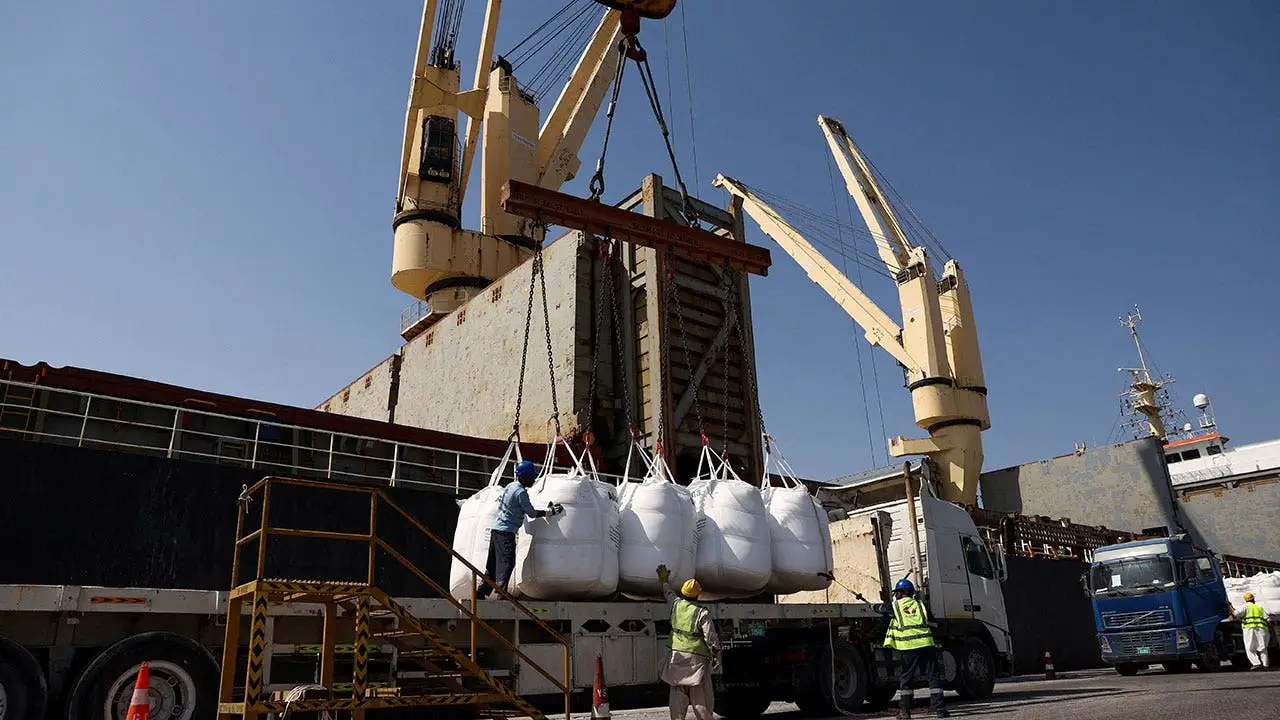
In response to the challenges posed by the ongoing conflict, the United Arab Emirates (UAE) is making tactical adjustments to ensure the resilience of its oil exports. Notably, the UAE has invested in diversifying its oil export routes, utilizing a pipeline to Fujairah, allowing oil exports to bypass the Strait of Hormuz entirely. This strategic move is designed to enhance the country’s energy security while minimizing vulnerability to Iranian aggression.
As per statements from UAE officials, oil exports have risen impressively during the conflict. The Minister of Energy, Suhail Al Mazrouei, indicated that exports have reached pre-war levels again, showcasing the country’s adaptability in the face of adversity. Moving beyond reliance on a single shipping corridor reflects a new paradigm for the Emirates, as they position themselves to weather future geopolitical storms.
The UAE’s proactive approach has garnered attention from international observers and is viewed as a model for other Gulf nations seeking stability amid regional uncertainties. The assertion that the UAE refuses to become hostage to external forces resonates throughout its diplomatic communication, highlighting a commitment to maintaining a secure operational framework for vital oil exports.
The Global Ramifications of the Hormuz Conflict
The consequences of the conflict surrounding the Strait of Hormuz have been felt across the globe, with analysts highlighting an emerging economic war that transcends regional boundaries. The interconnected nature of global supply chains means that disruptions in this vital maritime route impose significant hurdles on economies far removed from the conflict, affecting nations from South Asia to South America.
Economic experts have voiced concerns about the long-term impact of shipping vulnerabilities, asserting that countries must enhance their resilience to disruptions in the face of geopolitical shifts. The pressing need for diversified transport and supply routes is echoed in discussions about the future of energy security, with calls for holistic approaches that balance efficiency with resilience in global energy markets.
Industry leaders and officials emphasize the importance of preparing for changes in energy dynamics, as investments in infrastructural redundancies will not only mitigate immediate risks but also fortify economies against future crises. The ongoing discourse suggests that while the Strait must remain a crucial channel for maritime traffic, a global reevaluation of trade routes is necessary to safeguard national interests.
| No. | Key Points |
|---|---|
| 1 | Diplomatic efforts to resolve tensions between the U.S. and Iran are ongoing, with little progress reported. |
| 2 | The Strait of Hormuz remains crucial for global oil and natural gas supply, yet faces ongoing threats from Iran. |
| 3 | Shipping in the region is severely disrupted, impacting global markets and energy prices. |
| 4 | The UAE has increased oil exports by changing routes to bypass the Strait of Hormuz. |
| 5 | Disruptions in the Strait of Hormuz have highlighted the need for diverse global supply chains and energy resilience. |
Summary
The events unfolding around the Strait of Hormuz emphasize the delicate balance between diplomacy and conflict in the Middle East. While significant efforts are aimed at achieving a peaceful resolution, the persistent threats from Iranian forces highlight the urgency of establishing lasting security measures. The implications of this situation extend far beyond the region, affecting global energy supplies and economic stability. Therefore, ongoing dialogue coupled with strategic planning for future energy resilience will be essential for both regional stability and international trade.
Frequently Asked Questions
Question: What are the key strategic interests in the Strait of Hormuz?
The Strait of Hormuz is a vital maritime route through which approximately one-fifth of the world’s petroleum and liquefied natural gas passes. This makes it a pivotal area at the intersection of global energy supplies.
Question: How has the UAE adapted its oil export strategy amid the conflict?
The UAE has increased its oil exports significantly by investing in alternative routes, particularly a pipeline to Fujairah, allowing oil to bypass the Strait of Hormuz altogether, showcasing its adaptability to regional instability.
Question: What are the implications of Iranian aggression in the Strait of Hormuz for global markets?
Iranian aggression in the Strait has the potential to disrupt global oil supplies, inflate shipping costs, and create broader economic challenges across nations reliant on Middle Eastern oil, leading many countries to reconsider their energy security strategies.
