

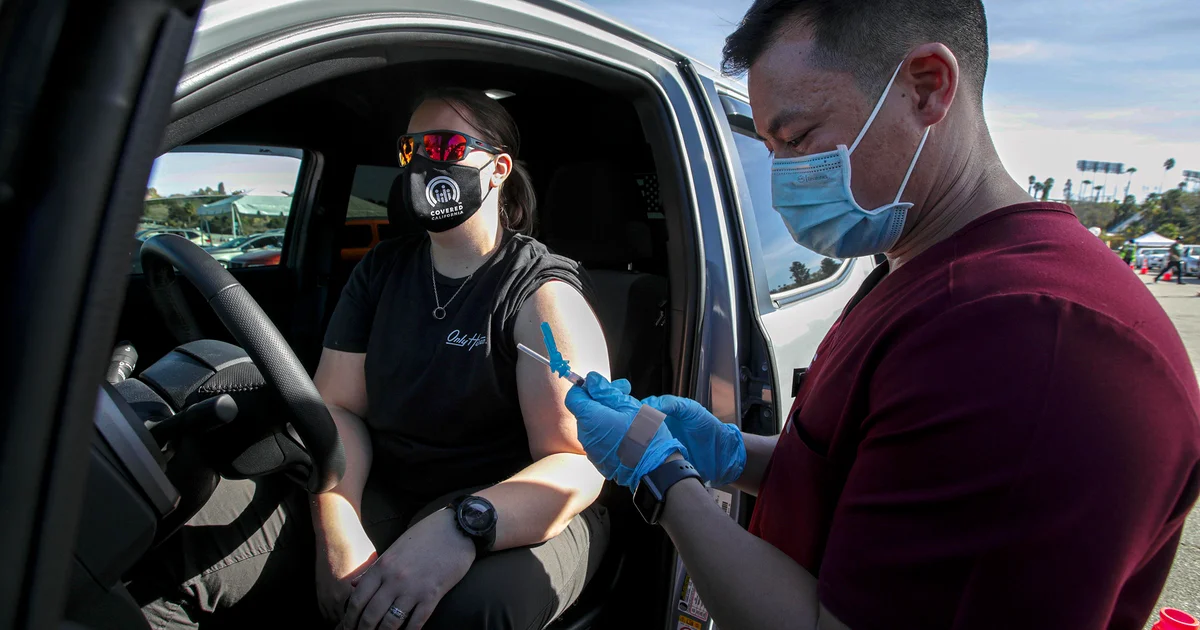

Recent polling data indicates that a significant number of Americans are dissatisfied with the pace and clarity of vaccine distribution efforts in their states amid the ongoing coronavirus pandemic. As the availability of the vaccine has increased, so has the interest among the public, highlighting both eagerness to receive the vaccine and lingering hesitations regarding its safety and efficacy. The disparities in vaccine willingness across demographic lines, including political affiliation and race, further complicate the current landscape of the national vaccination effort.
| Article Subheadings |
|---|
| 1) Current Sentiment on Vaccine Distribution |
| 2) Increasing Demand for Vaccination |
| 3) Demographic Differences in Vaccine Attitudes |
| 4) Optimism About Vaccine Accessibility |
| 5) Guidelines for Vaccine Prioritization |
Current Sentiment on Vaccine Distribution
Recent surveys reveal that a considerable portion of the American population is not satisfied with how their states are managing coronavirus vaccine distribution. A majority have expressed that the rollout is proceeding too slowly—failing to meet the expectations of many citizens who are eager for protection against COVID-19. Concerns regarding the lack of clear guidance on how and where to get vaccinated further complicate public sentiment. These feelings of frustration seem to resonate particularly among people who are most keen on receiving the vaccine, as they face obstacles that hinder their swift access to vaccinations.
Increasing Demand for Vaccination
As awareness of the vaccine’s availability has grown, more Americans indicate their intention to receive it as soon as possible. Data shows that 41% of respondents would take the vaccine immediately if it became available at no cost—a notable increase from 30% recorded in a similar poll conducted the previous summer. This shift suggests that, as the pandemic continues, public eagerness to be vaccinated is rising. However, while many express a desire to be vaccinated, there is still a considerable number who remain lukewarm on the idea, with 37% indicating that they prefer to wait and observe the outcomes of vaccination in others.
Demographic Differences in Vaccine Attitudes
Diverse opinions about the COVID-19 vaccine emerge across various demographic lines. Political affiliations play a notable role, with Democrats generally showing greater concern about contracting the virus than Republicans. A marked disparity is reflected in the vaccination intentions—Democrats are nearly twice as likely to report they would get vaccinated as soon as possible compared to their Republican counterparts. Racial and ethnic differences are also pronounced; people of color, who generally express more concern over catching the virus, often exhibit higher skepticism about receiving the vaccine. For instance, only 28% of Black Americans have indicated that they would get vaccinated immediately, with an equal proportion stating they would never opt for vaccination.
Optimism About Vaccine Accessibility
Despite growing criticism regarding the vaccine rollout, a silver lining exists in the form of optimism among Americans about future vaccination opportunities. Over half of the population believes that if they choose to get vaccinated, the process will likely be straightforward by the summer. This sentiment sheds light on a collective hope for improved logistical support and efficiency in vaccine distribution. Many individuals remain willing to receive the vaccine, indicating that a clear path to accessibility could bolster public confidence and encourage broader participation in vaccination efforts.
Guidelines for Vaccine Prioritization
According to recommendations from health agencies such as the Centers for Disease Control and Prevention, vaccine distribution prioritizes older adults, particularly those aged 65 and above. This age group has emerged as the most eager segment of the population, with 70% indicating they expect to receive the vaccine by summer. This prioritization seeks to protect the most vulnerable individuals who face severe risks from COVID-19. As the vaccination campaign progresses, ensuring that these guidelines are adhered to will be crucial for the success of the national effort to curb the pandemic.
| No. | Key Points |
|---|---|
| 1 | Many Americans express dissatisfaction with the coronavirus vaccine distribution process. |
| 2 | 41% of Americans want to be vaccinated as soon as possible, showing an increase in demand. |
| 3 | Democrats are more likely to seek vaccination compared to Republicans. |
| 4 | Skepticism about vaccines is notably higher among people of color. |
| 5 | Seniors are the most eager to vaccinate, with many expecting to be vaccinated by summer. |
Summary
The current landscape of vaccine reception shows a complex interplay of rising interest, critical scrutiny of distribution efforts, and significant demographic differences in attitudes. While many Americans are eager to receive the vaccine, frustrations over the rollout process are evident, raising concerns over effective communication from health authorities. As the vaccination effort continues, there is potential for increasing accessibility and improving public confidence, particularly among vulnerable populations.
Frequently Asked Questions
Question: Why are many Americans dissatisfied with the vaccine distribution process?
Many Americans feel that the vaccine rollout is happening too slowly and that there is a lack of clear communication regarding how to access vaccines.
Question: What percentage of Americans want to get vaccinated as soon as possible?
Currently, 41% of Americans state they would receive the vaccine immediately if it were available at no cost to them, which is an increase from previous data.
Question: How do vaccine attitudes vary among different demographics?
Democrats tend to show more urgency to receive the vaccine compared to Republicans, while people of color express greater concern about COVID-19 but also exhibit skepticism towards vaccination.
