

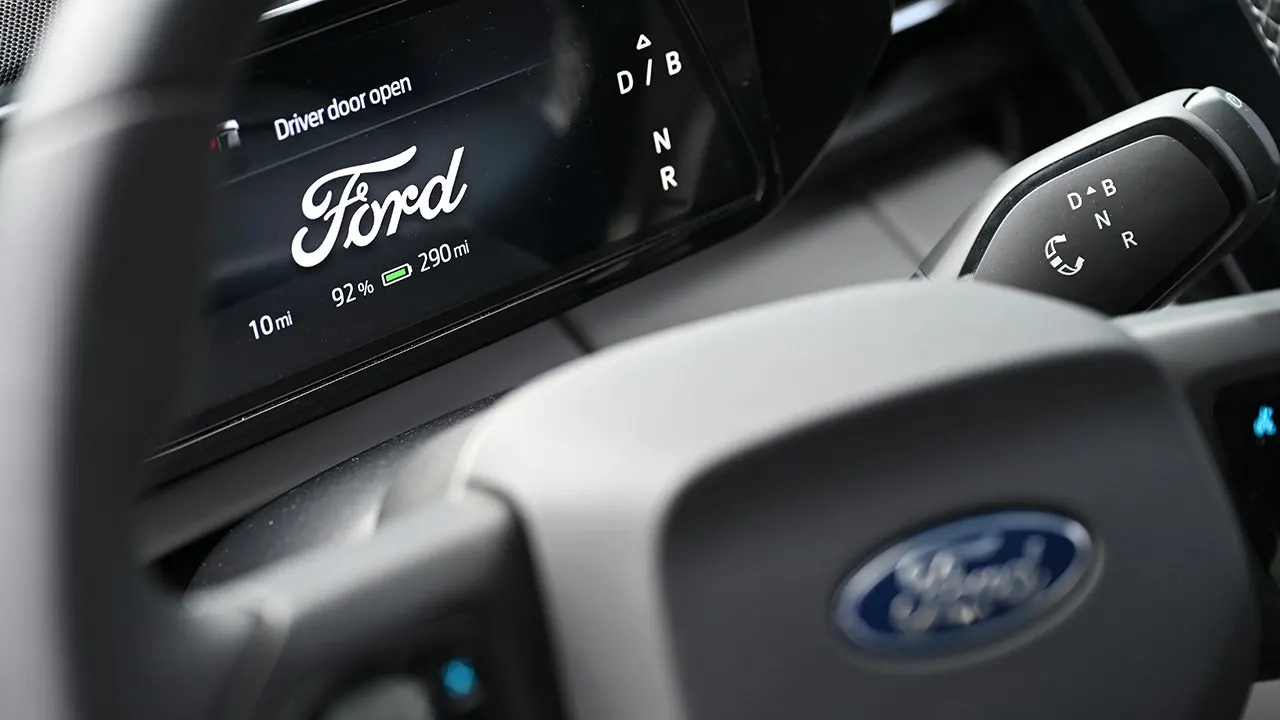

Ford has taken a significant step aimed at addressing consumer privacy concerns with the launch of a new privacy initiative. Announced on November 2, the automaker’s new privacy promise seeks to enhance transparency around how driver data is collected and utilized. While Ford guarantees that it will not sell driving data to insurance companies or data brokers, customers must also weigh the implications of disabling certain data-sharing features, which could limit access to various technological conveniences. This initiative comes at a critical juncture as privacy issues surrounding vehicle data are under increasing scrutiny.
| Article Subheadings |
|---|
| 1) Understanding Ford’s Privacy Initiative |
| 2) Types of Data Collected by Ford Vehicles |
| 3) The Context Behind Ford’s Privacy Promise |
| 4) The Trade-offs of Disabling Data Sharing |
| 5) Managing Your Privacy Settings in a Ford |
Understanding Ford’s Privacy Initiative
The Ford privacy initiative is intended to clarify how information collected from vehicles is managed and utilized. As noted by officials, the program aims to empower drivers with more understanding regarding their privacy settings. This initiative is encapsulated in a dedicated privacy website that Ford has launched for its vehicle owners. Through this platform, customers can familiarize themselves with the types of information collected and the ways they have control over their data.
Central to Ford’s privacy promise is its commitment not to sell data concerning customer driving behaviors to third parties, which include insurance companies and data brokers. This assurance was communicated by Kristin Jones, Ford’s Chief Privacy Officer, who emphasized that the company is focused on building trust with customers by being more transparent about its data practices. Despite this commitment, it is important for drivers to be aware that Ford will continue to collect data from connected vehicles to improve technology and services.
This initiative comes in response to heightened concern about data privacy in the automotive sector, especially as advancements in connected vehicle technology evolve. With a keen eye on building customer confidence, Ford has laid down its principles aimed at protecting user privacy while accommodating the functionality that modern vehicles offer.
Types of Data Collected by Ford Vehicles
Modern Ford vehicles have the capacity to gather extensive amounts of data, which can vary depending on the specific model, features, and settings selected by the driver. Among the several types of information collected are vehicle location data, driving behavior metrics, vehicle health diagnostics, and vehicle identification details. Each of these data types can serve a key purpose, including facilitating navigation and roadside assistance by tracking precise locations.
To explain further, driving behavior metrics involve details such as speed and braking patterns, which can provide insights into the performance of the vehicle and enhance safety measures. Diagnostic information covers crucial data points about the vehicle’s operational status, including tire pressure and fuel levels. This information is pivotal as it can alert owners to potential mechanical issues before they escalate into serious problems.
Collecting location information also has a practical aspect; it can be instrumental in providing assistance if a driver finds themselves in distress, or simply to help locate a parked car. This data can enrich the driving experience and contribute to improvements in future technologies. However, such personal habits captured by vehicles raise valid concerns regarding privacy that need closer consideration by drivers.
The Context Behind Ford’s Privacy Promise
The timing of Ford’s privacy announcement is especially significant, following growing scrutiny of how auto manufacturers manage consumer data. Recent controversies, such as a settlement involving General Motors addressing allegations of improper data collection practices, highlight the need for increased transparency and ethics in handling personal information. A coalition of 36 attorneys general resulted in a $220 million settlement against GM, exemplifying systemic issues that have been prevalent in the automotive industry.
This context makes Ford’s initiative all the more important as consumers become increasingly aware of data privacy issues. The industry is at a crossroads where transparency and consumer trust are paramount to maintaining customer loyalty amid a tech-driven paradigm shift. Ford’s public commitment serves not only to protect its customers but may also set an industry standard that other automakers could be urged to follow.
Moreover, Ford’s promise comes at a time when consumers are weighing the affordability of insurance programs that track driving behavior to offer savings, often without a full understanding of the implications regarding data sharing. As these concerns continue to surface in society, Ford’s initiative aims to position the brand as a leader in responsible data management.
The Trade-offs of Disabling Data Sharing
While Ford emphasizes user control over their data, there are inherent trade-offs that must be considered when opting out of certain data-sharing functionalities. Customers have the option to disable data sharing functionality, however, doing so could limit access to a range of conveniences that modern vehicles offer. Services such as remote start capability, connected navigation features, vehicle location tracking, and even advanced driving assistance features may become less accessible if users select to limit data sharing.
For instance, if a driver disables all connectivity, they might lose features integral to the overall driving experience and convenience. Even features that allow for regular vehicle updates and access to roadside assistance could be affected, preventing drivers from receiving timely notifications about their vehicle’s health or external conditions while on the road.
The implications vary based on the model and what connectivity features are installed in the vehicle. Hence, before making changes, it is critical for users to understand which functionalities would remain operational and which ones could be at risk. Many features should be revisited to determine their dependency on data connectivity, and users should evaluate their individual needs and usage habits accordingly.
Managing Your Privacy Settings in a Ford
Ford extends several avenues for owners to manage their data-sharing preferences conveniently. Owners can adjust settings from the vehicle’s touchscreen or through the Ford app available on smartphones. Ensuring that privacy preferences are up-to-date is crucial, especially for vehicles manufactured in 2018 or later.
To access these settings, owners are encouraged to park their vehicles safely, navigate to the ‘Settings’ option on the center touchscreen, and then review the available options under ‘Vehicle Connectivity’ or ‘Privacy and Data Sharing Settings.’ It is vital to turn off any sharing options that the owner does not want to enable while ensuring that any warnings that appear are heeded before confirming any changes.
In addition to touchscreen settings, the Ford app allows users to review and modify several preferences. Users can easily navigate through the app to find settings related to data sharing, including options for personalization and marketing. Regular reviews will allow drivers to ensure they fully understand their privacy preferences and the extent of data sharing.
As these settings differ across models, it is advisable for multi-vehicle owners to examine the data settings for each vehicle separately. If selling or trading in the vehicle, doing a factory reset is recommended to wipe out all saved personal data.
Summary
Ford’s new privacy promise signifies a critical move toward protecting customer data in the automotive industry, reflecting broader trends where consumer privacy is increasingly valued. As technology advances in vehicles, the importance of clear communication about data practices cannot be overstated. Although customers are provided control over their personal data, they must also weigh potential trade-offs regarding connectivity that could impact their overall driving experience. Ford’s initiative not only aims to set a standard for the industry but also encourages consumers to actively engage with their data-sharing preferences to enhance their privacy related to motor vehicles.
Frequently Asked Questions
Question: How does Ford’s privacy promise protect my data?
Ford’s privacy promise ensures that customer driving behavior data will not be sold to third parties, including insurance companies and data brokers. This initiative aims to enhance transparency and give drivers more control over their information.
Question: What types of data does my Ford vehicle collect?
Ford vehicles can collect various types of data, including vehicle location, driving behavior metrics, vehicle health diagnostics, and vehicle identification details. This data is often utilized to improve services and overall vehicle performance.
Question: What features may I lose if I disable data sharing?
Disabling data-sharing features may affect access to several conveniences such as remote start, connected navigation, vehicle location tracking, and real-time updates. Drivers should evaluate their specific needs against the features they may lose before deciding to limit data sharing.
| No. | Key Points |
|---|---|
| 1 | Ford has introduced a new privacy initiative to enhance transparency about data collection. |
| 2 | Owners can manage their data-sharing settings through their vehicle and the Ford app. |
| 3 | Modern Ford vehicles can collect various types of data that serve practical functions. |
| 4 | Disabling data sharing may affect the availability of connected features in the vehicle. |
| 5 | Ford’s privacy promise comes in light of increased scrutiny over automotive data collection practices. |
