

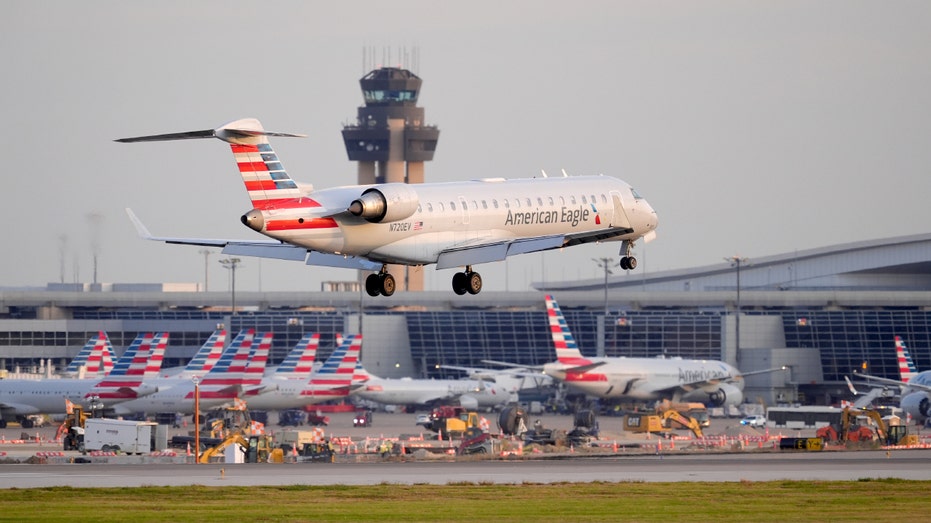

The Federal Aviation Administration expects the U.S. air travel schedule to return to normal by the end of Sunday after a nationwide ground stop disrupted operations. The outage, linked to air traffic control communications and radar problems, affected about 15,000 flights on Friday and Saturday. Officials said airlines would continue working through delays, cancellations and aircraft repositioning as the network recovered.
The ground stop lasted more than four hours and was lifted at 8:15 p.m. Eastern time Friday. Transportation officials said they were investigating whether problems with contractor work or a faulty router caused the system disruption.
| 1) | FAA projects a return to normal operations |
| 2) | Communications outage disrupts air traffic control |
| 3) | Airlines manage continuing delays and cancellations |
| 4) | Officials investigate contractor work and equipment |
| 5) | Travelers advised to verify flights directly |
FAA projects a return to normal operations
The FAA said Sunday that the national air travel schedule should be back to normal by the end of the day. FAA Administrator Bryan Bedford said the most severe effects of the disruption had passed after what officials described as the longest nationwide ground stop in 25 years.
The incident affected airports throughout the United States and created a systemwide recovery effort for airlines, airport operators and air traffic controllers. Although the ground stop itself had ended, officials cautioned that the schedule would not immediately reset because aircraft and crews were out of position.
Communications outage disrupts air traffic control
The disruption began after work on the air traffic control communications system led to intermittent communications and radar gaps. Transportation Secretary Sean Duffy said a contractor, L3Harris Technologies Inc., was replacing older copper wiring with fiber wiring when the system experienced an overload.
The FAA issued the nationwide ground stop Friday afternoon because the communications problems affected the ability to manage flights safely. The order remained in place for more than four hours before being lifted at 8:15 p.m. Eastern time. Officials said the outage was being examined to determine whether contractor performance or a faulty router was responsible.
“The worst is behind us,” FAA Administrator Bryan Bedford said.
Airlines manage continuing delays and cancellations
The initial ground stop produced a ripple effect that continued into Saturday, affecting approximately 15,000 flights across the two days. Airlines had to reschedule services and reposition aircraft and flight crews to locations where they were needed.
Transportation officials said passengers could still encounter delays and cancellations during the recovery. The effects were not limited to the airports where the outage was most visible, because missed connections, crew scheduling limits and aircraft locations can affect later flights across an airline network.
“You will continue to see some delays and cancellations as carriers reschedule flights and reposition aircraft and crews where they are needed most,” Sean Duffy said.
Officials investigate contractor work and equipment
The cause of the outage remained under investigation Sunday. The system problems emerged during contractor work intended to replace older wiring with newer fiber connections in the national air traffic control network.
Officials were considering whether the work itself was improperly managed or whether a router or other equipment failed under the new configuration. The investigation is intended to establish how the communications and radar interruptions occurred and why they required a nationwide halt to departures and other air traffic operations.
Travelers advised to verify flights directly
Passengers traveling Sunday were advised to check their flight status with their airline before going to the airport and to continue monitoring updates throughout the journey. Airline websites and other flight-monitoring tools may provide the latest information as schedules change.
Travel industry expert Gary Leff also urged travelers to remain in contact with their airlines. Because the recovery depended on individual carriers restoring aircraft and crew schedules, passengers could face different conditions even when traveling through the same airport.
| Number | Key Point |
|---|---|
| 1 | The FAA expects air travel to return to normal by the end of Sunday. |
| 2 | About 15,000 flights were affected on Friday and Saturday. |
| 3 | The ground stop was lifted at 8:15 p.m. Eastern time Friday. |
| 4 | Officials are investigating contractor work and a possible equipment failure. |
Summary
The nationwide ground stop exposed the broad effects of a communications failure in the air traffic control system. While the FAA said the immediate crisis had passed, airlines still needed time to restore aircraft and crew schedules. Travelers should rely on direct airline updates because delays and cancellations may continue during the final stage of recovery.
Frequently Asked Questions
When was the nationwide ground stop lifted?
The FAA lifted the ground stop at 8:15 p.m. Eastern time on Friday after it had been in place for more than four hours.
How many flights were affected?
Approximately 15,000 flights were affected across Friday and Saturday, including delays and cancellations resulting from the operational disruption.
What caused the disruption?
Officials said the problems occurred during contractor work replacing copper wiring with fiber wiring in the air traffic control system. Investigators were also examining whether a faulty router contributed to the outage.
What should travelers do?
Travelers should check directly with their airlines, monitor airline websites and verify flight status before leaving for the airport.
