

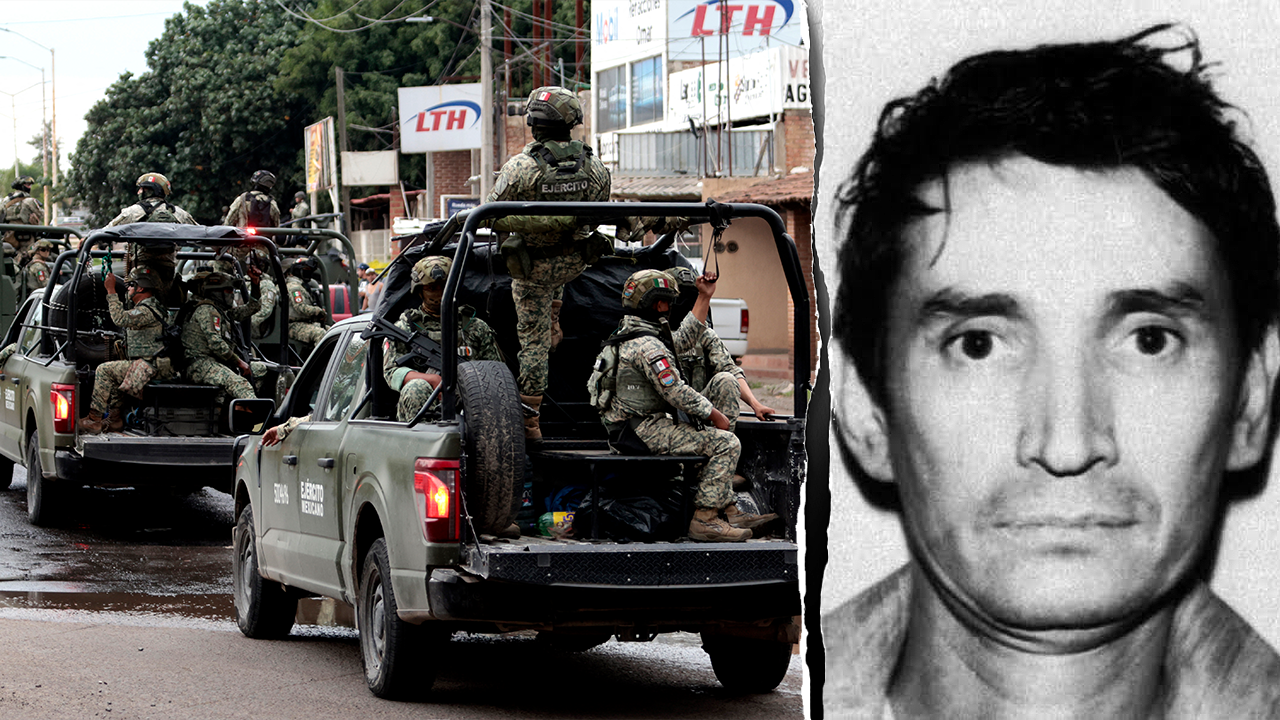

Miguel Angel Felix Gallardo, a prominent figure in Mexico’s drug trafficking history and co-founder of the Guadalajara cartel, has passed away at the age of 80. His death, resulting from multiple organ failure, occurred in a Guadalajara hospital shortly after he was moved from prison, where he had been incarcerated since 1989. Felix Gallardo’s criminal enterprise had profound impacts on drug trafficking, particularly affecting the United States, and he was notoriously convicted for the murder of DEA agent Enrique “Kiki” Camarena, a case that significantly influenced U.S. drug enforcement policies.
| Article Subheadings |
|---|
| 1) Life and Legacy of Miguel Angel Felix Gallardo |
| 2) The Circumstances of His Death |
| 3) The Kiki Camarena Case: Impact and Aftermath |
| 4) The Rise of the Guadalajara Cartel |
| 5) Continued Influence and Recognition |
Life and Legacy of Miguel Angel Felix Gallardo
Miguel Angel Felix Gallardo, born in 1936 in Sinaloa, Mexico, was a significant figure in the history of drug trafficking. He earned the nickname “boss of bosses” due to his leadership role in the Guadalajara cartel, a powerful drug trafficking organization in the late 20th century. Gallardo’s criminal career began as he transitioned from a police officer into the drug trade, capitalizing on the vast opportunities presented by the booming cocaine market in the U.S. He was instrumental in uniting various traffickers and shaping the structure of organized crime in Mexico. His strategies contributed to the establishment of networks that influenced many contemporary drug cartels.
Under Gallardo’s leadership, the Guadalajara cartel became one of the first to collaborate with Colombian cocaine producers, allowing for a significant expansion of the drug trade. His operations extended beyond cocaine, including heroin and marijuana, which solidified his position in the international drug trade. Gallardo’s methods of employing violence and corruption created a blueprint for future cartels in Mexico, showcasing a business model of integrating local law enforcement into drug trafficking efforts, which has led to generations of cartel violence and corruption.
The Circumstances of His Death
Felix Gallardo passed away on a Sunday, following complications from multiple organ failure while receiving medical care at a hospital in Guadalajara, where he had been admitted just two days prior after being transferred from prison. His death marks the end of an era in which he was one of the last remaining connections to the early days of Mexico’s drug trafficking history. Gallardo had been serving a 37-year sentence since 2017 after being convicted for the murders of Enrique “Kiki” Camarena and another individual, highlighting the long-reaching consequences of his criminal actions.
The official reports indicated that his health had been deteriorating, prompting concerns that ultimately led to his transfer from prison to a medical facility, where he succumbed to his ailments. His death is regarded by many as a significant moment in the long and tumultuous history of drug violence in Mexico, raising questions about the current state of organized crime in the country and the implications of his passing on drug trafficking dynamics.
The Kiki Camarena Case: Impact and Aftermath
The sensational case of Enrique “Kiki” Camarena profoundly affected U.S.-Mexico relations and drug enforcement policies. Camarena was a DEA agent who went missing on February 7, 1985, after being abducted while leaving the U.S. Consulate in Guadalajara. His disappearance prompted an extensive investigation that ultimately revealed the violent dynamics within Mexico’s drug cartels. Gallardo was implicated in his kidnapping and subsequent murder, which was described as particularly brutal. Reports indicate that Camarena was tortured for days before his death, which highlighted the ruthless nature of cartel operations.
After Camarena’s body was discovered on March 5, 1985, his murder triggered Operation Leyenda, one of the largest homicide investigations undertaken by the DEA. Many individuals, including Gallardo, were arrested in connection with the case, leading to increased scrutiny and efforts to combat drug trafficking. The fallout from Camarena’s murder not only resulted in stricter drug enforcement but also deepened tensions between the U.S. and Mexican governments, as both sought to address corruption and violence linked to drug trafficking.
The Rise of the Guadalajara Cartel
The Guadalajara cartel was formed by Gallardo and other key figures in the late 1970s and became a major player in the drug trade, particularly in the trafficking of heroin, marijuana, and cocaine. The cartel was known for its innovative distribution methods and ability to navigate the law enforcement landscape in Mexico. This organization acted as a precursor to later cartels, such as the Sinaloa cartel, and set benchmarks for criminal enterprises regarding logistics and operational strategy.
The cartel’s alliance with Colombian producers marked a critical shift in the drug trade that would dominate the industry for decades. By establishing direct connections with cocaine suppliers in Colombia, Gallardo facilitated the import of vast quantities of drugs into the United States. This partnership allowed the Guadalajara cartel to amass significant wealth and influence, ultimately ushering a golden age of drug trafficking that ignited a wave of violence and unrest across both nations.
Continued Influence and Recognition
Despite his incarceration, Felix Gallardo’s impact on organized crime in Mexico is still felt today. A recent report highlighted how he helped to establish a framework for many of the drug trafficking organizations that followed. The operational blueprint created by Gallardo continues to be employed by contemporary cartels, showcasing the enduring legacy of his strategies. As law enforcement agencies adapt to combatting the sophisticated networks that emerged from his era, the cycle of violence he helped perpetuate remains a significant challenge.
Furthermore, Camarena’s legacy endures, with efforts to prevent drug abuse in the United States highlighted by the red ribbons worn in his memory each October. These initiatives aim to educate the public about the dangers of substance abuse and emphasize the importance of prevention efforts. Gallardo’s death serves as a poignant reminder of the long-standing struggle between law enforcement and drug trafficking organizations in North America.
| No. | Key Points |
|---|---|
| 1 | Miguel Angel Felix Gallardo, known as the “boss of bosses,” died at 80 years old due to multiple organ failure. |
| 2 | Gallardo played a pivotal role in the rise of the Guadalajara cartel and the Mexican drug trade. |
| 3 | He was convicted for the murder of DEA agent Enrique “Kiki” Camarena, whose death led to a significant investigation and changes in U.S. drug policy. |
| 4 | Gallardo’s strategies contributed to the establishment of networks that influenced later drug trafficking organizations. |
| 5 | Camarena’s legacy continues to impact drug prevention efforts in the U.S. |
Summary
The death of Miguel Angel Felix Gallardo marks a significant moment in the ongoing struggle against drug trafficking and organized crime. As a key figure in establishing the Guadalajara cartel and the broader drug trade in Mexico, his legacy continues to shape current dynamics within the criminal landscape. The enduring ramifications of his actions, especially concerning the murder of Kiki Camarena, remind us of the complex interplay between law enforcement and drug trafficking that persists today. The fight against drug-related violence and the quest for justice in the aftermath of his criminal enterprise remain relevant issues as society strives for solutions in addressing these persistent challenges.
Frequently Asked Questions
Question: Who was Miguel Angel Felix Gallardo?
Miguel Angel Felix Gallardo was a prominent Mexican drug lord and co-founder of the Guadalajara cartel, known for his role in establishing major drug trafficking routes in the U.S.
Question: What was the significance of Kiki Camarena’s murder?
Kiki Camarena was a DEA agent whose murder in 1985 prompted a large-scale investigation known as Operation Leyenda, highlighting the severe violence of drug trafficking in Mexico.
Question: How did Felix Gallardo influence modern drug trafficking organizations?
Gallardo helped to establish operational frameworks and alliances that would be used by later drug cartels, thereby reshaping the landscape of organized crime in Mexico.
