

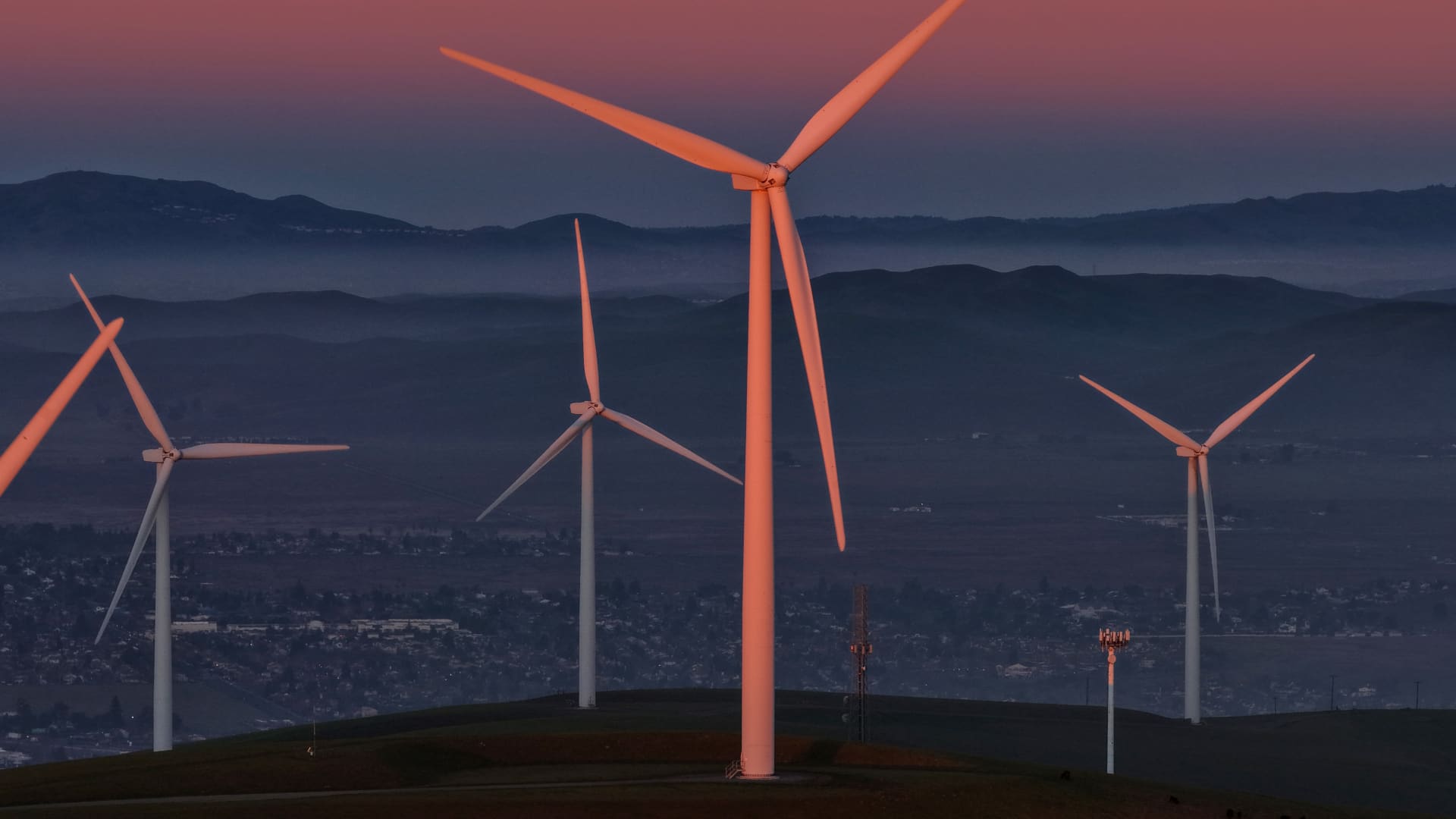

On Thursday, the Senate passed a pivotal bill aimed at reforming the nation’s environmental permitting laws and electrical transmission regulations. The Bipartisan American Affordability and Jobs Act of 2026, approved with a 62-33 vote, marks a significant move towards enhancing construction in the energy and technology sectors while simultaneously lowering energy costs for consumers. However, the bill has sparked debate within the Democratic Party, revealing rifts as members weigh the urgency of affordability against environmental protections.
| Article Subheadings |
|---|
| 1) Overview of the Bipartisan American Affordability and Jobs Act |
| 2) Political Implications and Party Division |
| 3) Key Provisions of the Legislation |
| 4) Reactions from Various Stakeholders |
| 5) Next Steps in the Legislative Process |
Overview of the Bipartisan American Affordability and Jobs Act
The Bipartisan American Affordability and Jobs Act of 2026 seeks to streamline environmental permitting and improve electrical transmission systems across the United States. The legislation was designed with the intent to boost construction rates in both energy and technology sectors, aiming to alleviate the financial burdens faced by consumers related to energy costs. It was propelled through the Senate with significant support from a coalition of Democrats and Republicans, despite the internal challenges and opposition it faced.
With the passage of this bill, energy costs for consumers are projected to decrease as new clean energy resources become more easily integrated into the nation’s energy grid. The legislation signifies a step forward in addressing the energy affordability issues that many Americans face. Moreover, this bill holds the potential to transform the landscape of energy production and consumption in the U.S. over the coming decades.
Political Implications and Party Division
The recent vote in the Senate highlights the growing complexities within the Democratic Party as it prepared to take full control of Congress. The party, having recently gained a majority in both chambers, is now experiencing fissures as differing priorities emerge among its members. The vote on the bill was not a smooth one, with more Democrats voting against it than supporting it. The split indicates challenges that Democrats may face moving forward, especially when balancing the demands of environmental groups and community stakeholders against the imperative to lower energy costs.
Senate Minority Leader Chuck Schumer, along with over a dozen other Democratic senators, voted in favor of the bill despite significant opposition from climate advocacy groups and various Native American tribes that expressed concerns over weakened protections. The internal debate reflects a broader challenge for the party, forcing members to reconcile their environmental commitments with their pledges to enhance affordability in an era of rising costs.
Prior to the vote, Sen. Ruben Gallego of Arizona expressed optimism about the legislation, suggesting its potential for long-term impact on carbon emission reductions. However, he was aware of the significant discontent among party members and outside advocacy groups regarding the loosening of environmental protections.
Key Provisions of the Legislation
A core component of the Bipartisan American Affordability and Jobs Act focuses on streamlining the environmental permitting process, which has been criticized for causing delays in the construction of energy infrastructure. The bill proposes measures that could accelerate project timelines, theoretically leading to increased investments in both renewable and traditional energy sectors. Additionally, it encourages the development of new electrical transmission lines, an essential element needed to integrate clean energy sources into the existing grid.
The legislation includes provisions that specifically aim to bolster renewable energy sources, enabling the construction of solar and wind projects that have faced bottlenecks due to insufficient grid capacity. By enhancing transmission capacity, the bill is projected to allow for a significant increase in the amount of clean energy that can be brought online.
Economic forecasts estimate that the bill could result in a substantial expansion of clean energy generation, contributing between 17 to 249 gigawatts by 2040. This massive increase in clean energy production is set against the backdrop of an 8% to 15% anticipated rise in natural gas exports. Such projections indicate a dual approach that seeks to satisfy both environmental goals and industry demands.
Reactions from Various Stakeholders
The response to the Senate’s passage of the bill has been mixed among stakeholders. Proponents in both renewable and fossil energy sectors have welcomed the agreement, citing its potential for creating jobs, reducing costs, and facilitating much-needed infrastructure development. The American Clean Power Association characterized the legislation as a major advancement that modernizes America’s energy systems while simultaneously lowering prices for consumers.
Conversely, opposition continues to mount from environmental advocacy groups such as the Natural Resources Defense Council, which criticized the bill as overly favorable to fossil fuel companies. They raised concerns about the rollback of critical environmental protections, warning that it risks further undermining efforts to combat climate change.
Critics, including some members of Congress, have voiced their disapproval, arguing that the bill fails to prioritize environmental sustainability and citizen welfare adequately. House Representative Scott Peters reiterated the necessity of meeting the demands of voters who seek genuine reform while calling for a balanced approach to enhancing energy affordability and environmental conservation.
Next Steps in the Legislative Process
Following its successful passage in the Senate, the Bipartisan American Affordability and Jobs Act now moves to the House, where its future remains uncertain. Republican leaders are anticipated to prioritize the bill, given its alignment with their agenda to promote energy independence and economic growth. However, internal divisions within the Democratic Party persist, and similar rifts are expected in the House, making the bill’s path potentially rocky.
Both supporters and opponents of the bill will continue to lobby House members in the coming days, as the potential implications of the legislation become clearer. Advocates argue for its passage as an urgent necessary measure to lower bills and promote job creation, while opponents remain steadfast in warning against its perceived threats to environmental protections. The landscape of energy legislation in the U.S. hangs in the balance as leaders navigate these critical and contentious issues ahead of the final vote.
| No. | Key Points |
|---|---|
| 1 | The Senate passed the Bipartisan American Affordability and Jobs Act aimed at reforming environmental permitting and electrical transmission laws. |
| 2 | The vote highlighted divisions within the Democratic Party, with more members voting against the bill than in favor. |
| 3 | Key provisions include streamlining permitting processes and enhancing electricity transmission capacity for renewables. |
| 4 | Supporters claim the bill will create jobs and lower energy costs, while opponents warn of potential environmental harm. |
| 5 | The bill now heads to the House, where it faces uncertain prospects amid ongoing political divisions. |
Summary
The recent passage of the Bipartisan American Affordability and Jobs Act represents a significant moment in U.S. energy policy, where the balance between environmental protection and economic pragmatism is being carefully scrutinized. As the country faces rising energy costs, the legislation aims to provide a framework for more affordable energy while address the challenges of modernizing infrastructure. The ensuing debates within Congress will be pivotal in shaping the future of energy regulations and the approach to environmental protections in America.
Frequently Asked Questions
Question: What is the Bipartisan American Affordability and Jobs Act?
The Bipartisan American Affordability and Jobs Act is legislation aimed at reforming environmental permitting and electrical transmission regulations to facilitate construction in the energy sector and lower energy costs for consumers.
Question: Why did some Democrats oppose the bill?
Some Democrats opposed the bill due to concerns that it would weaken longstanding environmental protections and prioritize the interests of fossil fuel companies over climate commitments.
Question: What are the potential benefits of the bill?
The bill is expected to enhance the integration of renewable energy sources, lower energy costs for consumers, create jobs, and modernize electrical transmission infrastructure in the United States.
