

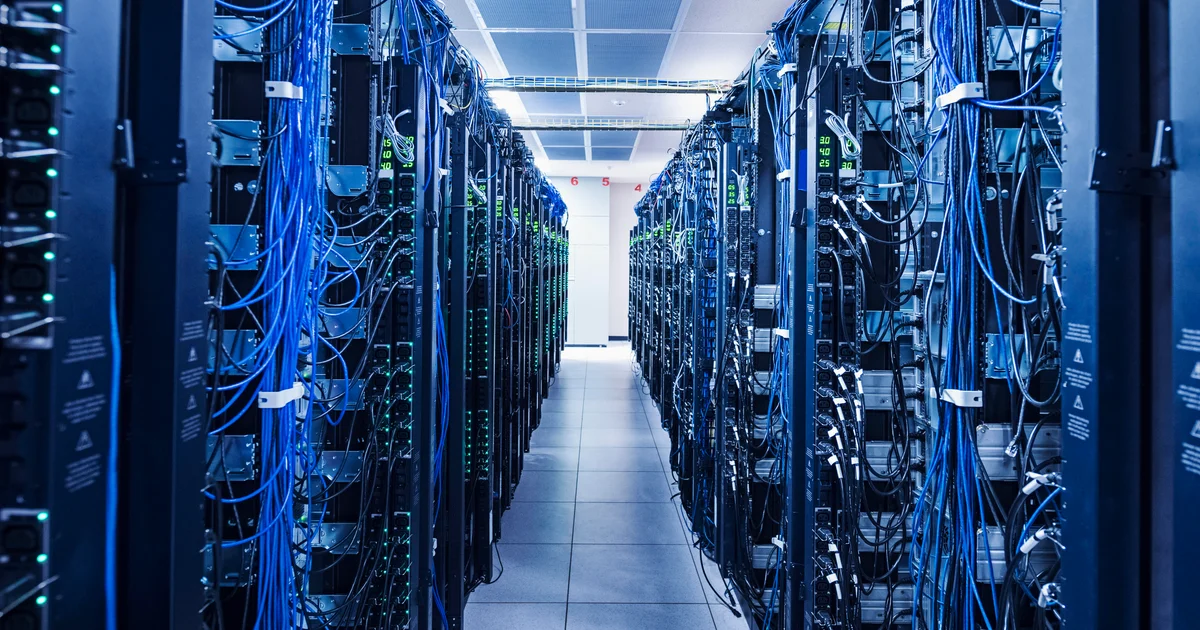

New research from Harvard University reveals that the largest U.S. data centers, known as hyperscale data centers, consume an astonishing amount of energy—equivalent to that of entire states and countries. These facilities used 82 terawatt-hours of electricity, representing 1.8% of the total U.S. electricity consumption during the period analyzed, from May 2024 to April 2025. The study, led by researcher Gianluca Guidi, highlights the urgent need for transparency concerning the environmental impact of these data centers, especially given the rapid expansion fueled by artificial intelligence (AI).
| Article Subheadings |
|---|
| 1) The Energy Consumption of Hyperscale Data Centers |
| 2) Analyzing the Impact of AI Growth |
| 3) Environmental Considerations and Calls for Action |
| 4) The Role of UN Climate Talks |
| 5) Future Outlook and the Necessity for Change |
The Energy Consumption of Hyperscale Data Centers
Hyperscale data centers are astronomical in their energy needs, collectively consuming 82 terawatt-hours of electricity—an amount that is comparable to the energy usage of a state like Missouri or a nation like Denmark. This staggering figure is part of a recent study published in the journal Nature Sustainability, showcasing the massive scale at which these facilities operate. According to the research, the data centers also emitted 26 metric tons of carbon dioxide during the analyzed period from May 2024 to April 2025.
The centers consist of gigantic structures housing tens of thousands of computers that operate continuously. They form the backbone of the digital activities that occur daily, from sending emails and posting photos to streaming videos and utilizing generative AI. The energy consumption in data centers illustrates a significant trend in the digital economy, one that calls for urgent consideration as technology continues to advance.
Analyzing the Impact of AI Growth
The report’s lead author, Gianluca Guidi, noted that the analyzed data likely underrepresents the true energy consumption due to the rapid rise in AI infrastructure across the country. “The data stops in April 2025, which in AI time is basically ancient history,” Guidi stated. As AI utilization expands, the number of large-scale data centers has more than doubled since the research began, highlighting how quickly the industry evolves and proliferates. An additional 2,000 facilities are planned or currently under development in the U.S., reflecting the relentless pace of technological advancement.
The implications of this rapid growth raise significant concerns about how the energy-intensive operations impact the environment. With data centers reliant on large amounts of electricity to run their numerous servers, they generate considerable heat, necessitating additional energy expenditures for cooling systems.
Environmental Considerations and Calls for Action
In light of these findings, there has been a growing call for increased transparency in both the construction and operation of data centers. Gianluca Guidi emphasized the importance of understanding the environmental consequences of these technologies prior to the development of new facilities. “The evidence shouldn’t show up after the buildings do, and neither should the public’s voice,” Guidi argued. He pointed out that while innovations in AI are exciting, they should not overshadow the pressing need for responsible energy use and environmental stewardship.
Additionally, Guidi challenged major tech companies, dubbed “hyperscalers” such as Amazon, Meta, and Microsoft, to reevaluate their approach to building and operating data centers. He urged these companies to prioritize more sustainable practices even if they come at a higher cost or take longer to implement. The goal, he asserted, should be to align technological capabilities with societal benefits rather than prioritizing profitability alone.
The Role of UN Climate Talks
During recent United Nations climate talks, the COP31 conference held in Turkey, negotiators introduced a voluntary pledge aimed at urging companies and governments to adopt cleaner energy sources for their AI operations. The UN climate chief, Simon Stiell, highlighted the urgency of this initiative, stating, “We cannot ask people to accept higher bills, more planet-heating pollution and deeper inequality today in exchange for promises of a better tomorrow.”
The pledge seeks to motivate industry players to take immediate actions to reduce their carbon footprint and to invest in renewable energy solutions. However, so far, major U.S. tech companies have notably refrained from signing onto this initiative, raising concerns about their commitment to sustainability amid their rapid growth and energy demands.
Future Outlook and the Necessity for Change
Looking ahead, the expansion of AI technology is likely to continue at breakneck speed, leading to an increased reliance on data centers. The challenges posed by the environmental costs associated with these facilities will only become more pressing. The study serves as a wake-up call, not just for the tech industry, but for society as a whole to reconsider the energy-intensive processes that underpin modern digital life.
As advancements in AI continue to revolutionize our world, it is critical that stakeholders across sectors take proactive measures to mitigate the environmental impact. Encouragingly, the scrutiny of data centers and their energy usage may foster new innovations that balance technological advancement with ecological responsibility, leading to a more sustainable future.
| No. | Key Points |
|---|---|
| 1 | Hyperscale data centers account for 1.8% of total U.S. electricity consumption. |
| 2 | Researchers emphasize urgent need for transparency in energy consumption and environmental impacts. |
| 3 | The rapid growth of AI is outpacing tracking capabilities for data centers. |
| 4 | UN COP31 negotiations have launched a pledge for sustainable energy usage in AI applications. |
| 5 | The tech industry is encouraged to adopt cleaner energy solutions and practices. |
Summary
The findings highlight a critical intersection between technological advancement and environmental accountability. As AI technology grows increasingly pervasive, the energy demands of hyperscale data centers raise significant concerns about sustainability. It is imperative that stakeholders in the tech industry prioritize transparency and responsible practices to mitigate the environmental impact of their operations. The ongoing discussions within international climate forums further underscore the urgency of these issues, setting the stage for a potentially transformative shift toward cleaner energy solutions.
Frequently Asked Questions
Question: What are hyperscale data centers?
Hyperscale data centers are large-scale facilities that house thousands of servers and storage systems, designed to manage vast amounts of data efficiently.
Question: What is the primary environmental concern with data centers?
The primary environmental concern is their high energy consumption and the associated carbon emissions, which significantly contribute to climate change.
Question: How can companies make data centers more sustainable?
Companies can improve sustainability by using renewable energy sources, enhancing energy efficiency, and adopting innovative cooling technologies to reduce electricity use.
