

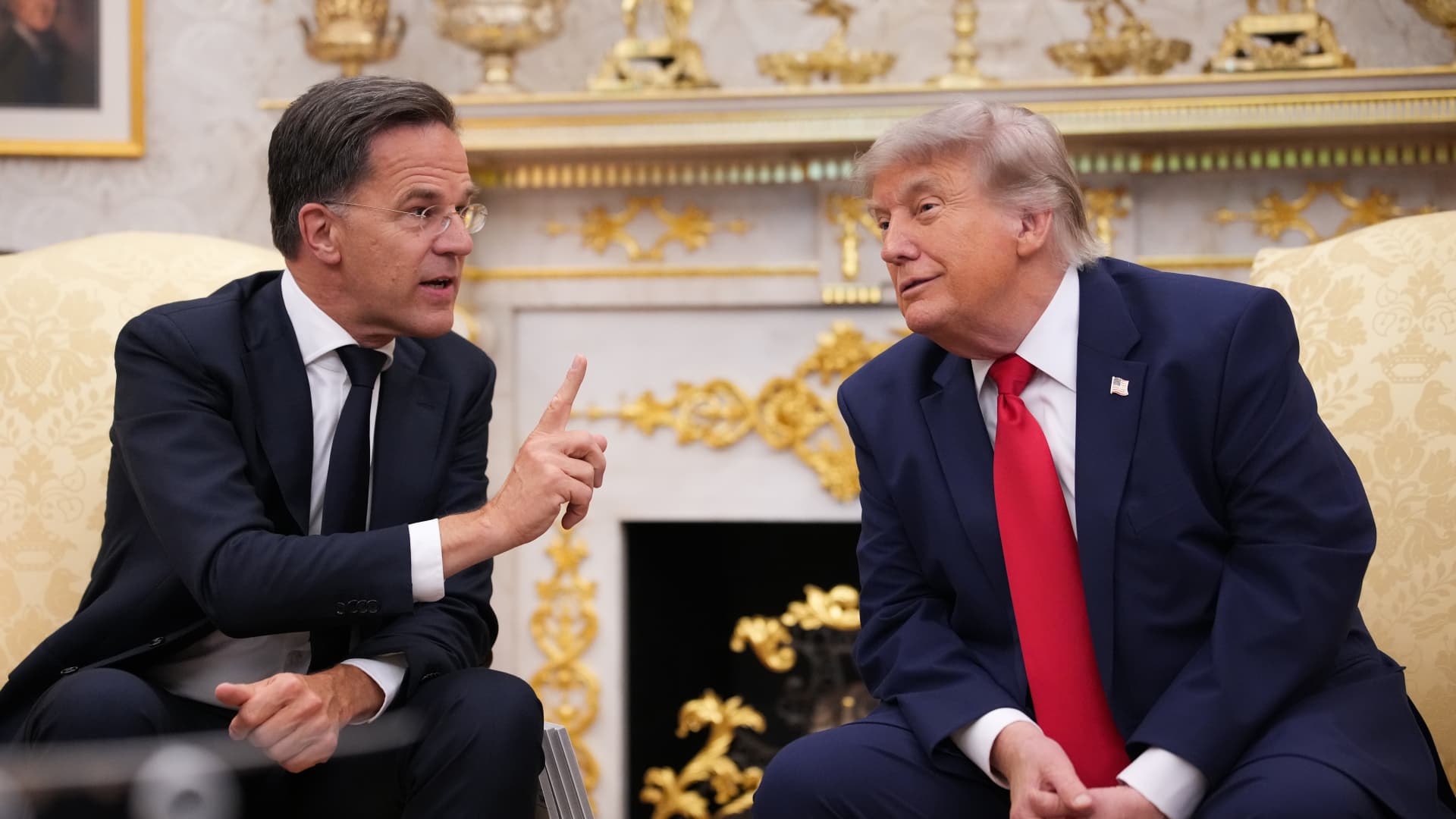

In a crucial diplomatic meeting, U.S. President Donald Trump and NATO Secretary-General Mark Rutte have urged Russia to avoid escalating the ongoing conflict in Ukraine. Their statements come amidst growing concerns from Ukraine’s allies regarding the Russian threat to European security. The discussions took place ahead of the upcoming NATO summit and highlighted the importance of defense spending and military readiness in both the U.S. and NATO member states.
| Article Subheadings |
|---|
| 1) Diplomatic Meeting at Mar-a-Lago |
| 2) Urging Restraint in Ukraine Conflict |
| 3) The Threat to European Security |
| 4) Increasing Defense Spending |
| 5) Energy Infrastructure Attacks |
Diplomatic Meeting at Mar-a-Lago
The meeting between President Donald Trump and NATO Secretary-General Mark Rutte took place at the Mar-a-Lago club in Palm Beach, Florida, and was deemed “very impactful” by the leaders. The discussions, which occurred on June 24, 2026, were focused on various pressing issues, including the ongoing war in Ukraine and the conflict involving Iran. This gathering comes as NATO prepares for its annual summit, emphasizing the authority of NATO as a collective defense organization and the geopolitical dynamics surrounding it. President Trump and Secretary-General Rutte have both acknowledged the complexities of international relations, particularly with Russia, a nation that has affected the balance of power within Europe.
Urging Restraint in Ukraine Conflict
During their press briefing, Trump and Rutte jointly issued a statement urging Russia to refrain from any actions that could unintentionally escalate the Ukraine conflict. They emphasized the need for Russia to seek a peaceful resolution to the war as swiftly as possible. This call for restraint reflects a growing awareness of the heightened risks associated with Russia’s military actions in Ukraine. The NATO leaders sought to remind the international community, especially Russia, of the significant consequences that could follow any further aggression. This statement comes not long after President Trump’s trilateral discussions with Russian President Vladimir Putin and Chinese President Xi Jinping, raising concerns over the collective intentions of these major powers.
The Threat to European Security
Concurrently, the European security landscape has become increasingly precarious due to Russia’s intensified military provocations and rhetoric. Chancellor Friedrich Merz of Germany articulated these concerns by accusing the Kremlin of escalating threats toward European stability, particularly in regions like the Baltic, Poland, and the Black Sea. Merz’s remarks underscore a broader consensus among European leaders who perceive Russia as a persistent security threat with ambitions that extend beyond Ukraine. The U.S. and NATO allies are bracing for a possible shift in the strategic equilibrium, catalyzed by Russia’s actions, in an effort to protect their interests and maintain regional stability.
Increasing Defense Spending
A significant portion of the discussions between Trump and Rutte focused on the importance of enhancing defense budgets and investments in the defense industrial base, a theme prevalent in NATO’s agenda. Both leaders emphasized the necessity of increasing military capabilities to ensure readiness against potential threats. President Trump, in a subsequent communication on a social media platform, highlighted the significant progress being made in U.S. military production, asserting that the levels of defense equipment and munitions produced are unprecedented. This assertive stance not only aims to reassure NATO allies of American commitment but also serves as a warning to adversaries regarding the capabilities the U.S. can bring to bear if necessary.
Energy Infrastructure Attacks
As around the same time as the diplomatic engagements, Russia ramped up its campaign against Ukrainian energy infrastructure. Reports from Ukrainian officials indicated that recent assaults had led to substantial damage in areas such as Kryvyi Rih, disrupting power supplies amid the onset of colder winter weather. The attacks predominantly target the energy sector and have magnified the urgency for increased resilience in energy systems across Ukraine. The potential ramifications of such attacks threaten to exacerbate humanitarian issues, contributing to the war’s complexity. NATO allies and European leaders have responded by closely monitoring the situation, recognizing that energy security is interlinked with broader national security considerations.
| No. | Key Points |
|---|---|
| 1 | Trump and Rutte addressed the need for peaceful resolution in Ukraine. |
| 2 | The meeting highlighted increasing tensions in European security due to Russia. |
| 3 | NATO members are urged to enhance defense spending to ensure military readiness. |
| 4 | Russia intensified attacks on Ukraine’s energy infrastructure, raising humanitarian concerns. |
| 5 | The U.S. emphasizes a significant increase in military production capabilities. |
Summary
The recent meeting between President Trump and NATO Secretary-General Rutte has underscored the delicate balance of power in Europe amid heightened military activities by Russia. Their collective plea for restraint reflects apprehensions about potential escalations in the Ukraine conflict, all while discussions on increasing defense capabilities gain momentum. As both sides prepare for the ongoing international security challenges, the focus remains on diplomatic solutions and a solidized military front in defense of shared interests.
Frequently Asked Questions
Question: What was the purpose of the meeting between Trump and Rutte?
The meeting aimed to address the escalating conflict in Ukraine, discuss defense spending, and reinforce NATO’s collective security commitments.
Question: How has Russia responded to NATO’s calls for restraint?
While Kremlin officials have denied seeking military confrontation, they have also not publicly acknowledged the calls for restraint, continuing their military activities in Ukraine.
Question: What impacts are expected from recent Russian attacks on Ukraine’s energy infrastructure?
These attacks are expected to cause increased power outages and humanitarian issues in Ukraine, particularly as winter approaches, complicating the ongoing conflict.
