

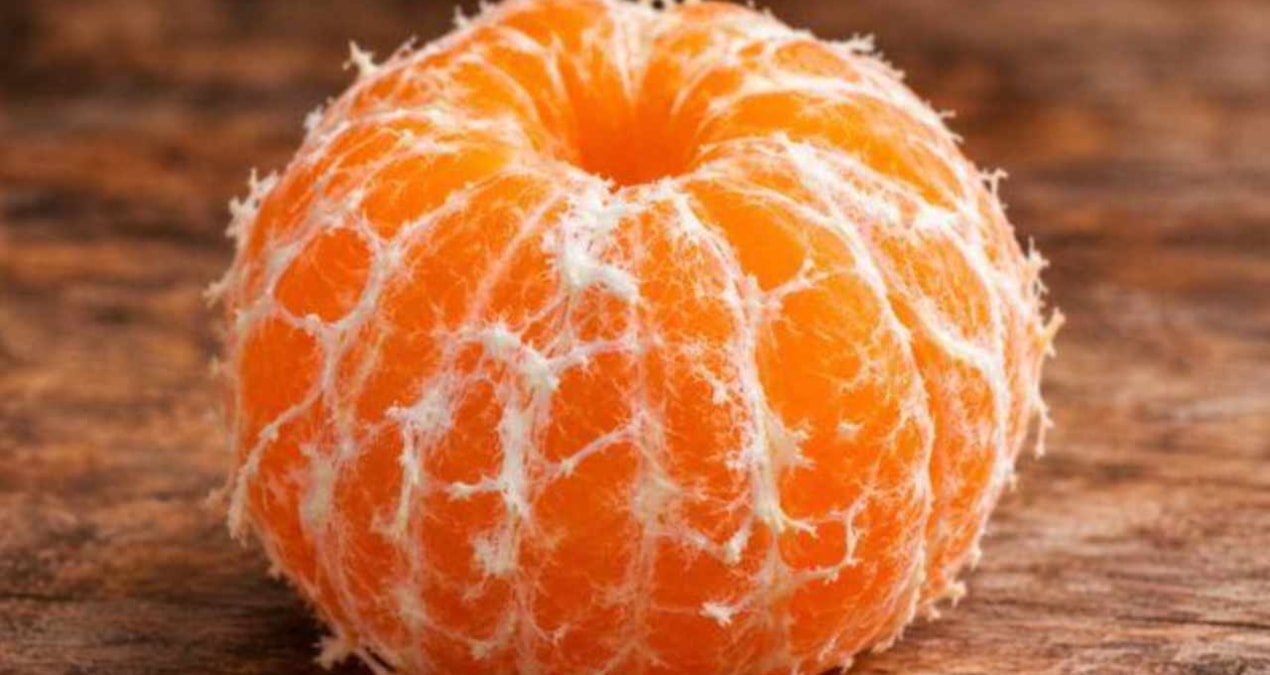

As colder weather settles in, the typically cherished tangerine takes center stage on dining tables, heralded for its immune-boosting benefits. However, many unknowingly compromise its nutritional value due to improper eating habits, particularly when it comes to the consumption of its white albedo layer. Nutritionists emphasize the significance of this often-removed component, significantly contributing to the fruit’s health benefits.
| Article Subheadings |
|---|
| 1) The Nutritional Power of Tangerine’s White Fibers |
| 2) Impacts on Blood Sugar Control |
| 3) Heart Health Benefits of Tangerines |
| 4) Recommendations for Optimal Consumption |
| 5) Conclusion: Embracing Healthy Eating Habits |
The Nutritional Power of Tangerine’s White Fibers
Tangerines are popularly enjoyed during the colder months, not only for their delightful taste but also for their health benefits. Many people, however, overlook the importance of the fruit’s white inner layer, known as the albedo. This part contains a wealth of nutrients, including high levels of flavonoids, pectin, and vitamin C. Nutrition and phytotherapy experts assert that this often-discarded component possesses a higher antioxidant potency than the fruit’s juicy segments. Antioxidants play a critical role in safeguarding the body from harmful free radicals, thereby enhancing overall immune defense, particularly during the weather transition that often brings about illness.
With its strong nutrient profile, the albedo doesn’t merely act as an accessory to the fruit but serves as a significant contributor to its health benefits. Current scientific studies highlight its effectiveness in protecting against various ailments. Experts encourage consumers to reconsider their peeling habits, urging them to include these beneficial fibers in their diets to fully harness the fruit’s health properties.
Impacts on Blood Sugar Control
In addition to its antioxidant benefits, the white portion of tangerines may offer substantial assistance in managing blood sugar levels. The soluble fiber found in the albedo is instrumental in slowing the absorption of fructose, the naturally occurring sugar in the fruit. This gradual absorption helps prevent spikes in blood sugar levels, contributing to a more stable metabolic process.
Notably, maintaining balanced blood sugar levels is crucial for managing various health conditions, including diabetes. Incorporating the albedo into one’s diet can promote better overall health by moderating how quickly sugar from foods enters the bloodstream. Moreover, the presence of pectin, which supports gut health, further enhances digestive efficiency. As the digestive system operates more regularly, individuals often experience prolonged feelings of fullness, aiding in appetite control and aiding in weight management.
Heart Health Benefits of Tangerines
The benefits of consuming tangerine’s inner fibers extend beyond blood sugar regulation; they significantly address cardiovascular health as well. Research conducted by various health experts indicates that the albedo is rich in a compound known as hesperidin. This powerful flavonoid plays a vital role in maintaining flexible blood vessels, thereby promoting better circulation.
Additionally, hesperidin has been linked to reducing levels of low-density lipoprotein (LDL) or ‘bad’ cholesterol in the body, which is a critical factor in lowering the risk of heart-related diseases. Heart disease remains a leading cause of mortality worldwide, and incorporating foods like tangerines into one’s diet can serve as a preventive measure. Experts suggest that those looking to boost their cardiovascular health should prioritize eating tangerines with their albedo intact to maximize these protective benefits.
Recommendations for Optimal Consumption
To reap the maximum benefits of tangerines, experts advocate for a natural approach to consumption. Instead of discarding the albedo, individuals are encouraged to eat the fruit as is, appreciating the health advantages it presents. When peeling these citrus fruits, consumers should aim to leave a thin layer of the white fibers, which can easily be done by using a gentle peeling technique.
Additionally, those who are particularly health-conscious may consider blending tangerines into smoothies, where both the fruit and its beneficial fibers can be consumed together. This way, individuals not only enjoy the taste but also ensure they receive a full spectrum of nutrients. Incorporating tangerines regularly into the diet during the cold season can bolster the immune system while simultaneously providing cardiovascular protection.
Conclusion: Embracing Healthy Eating Habits
The importance of understanding the nutritional value associated with tangerine’s white fibers cannot be overstated. As the weather turns cold and people seek out seasonal fruits to enhance their health, it is crucial to recognize the potential detriment of inadequate food consumption practices. By retaining the albedo and educating consumers about its health benefits, nutritionists hope to cultivate healthier eating habits, enhancing both physical health and overall well-being.
| No. | Key Points |
|---|---|
| 1 | Tangerines are nutrient-rich fruits, especially valued during colder months. |
| 2 | The inner white fibers contain flavonoids, pectin, and vitamin C for health benefits. |
| 3 | These fibers play a significant role in blood sugar management and digestive health. |
| 4 | Regular consumption can also support heart health by reducing bad cholesterol levels. |
| 5 | To maximize benefits, consumers are urged to eat tangerines with the albedo intact. |
Summary
In summary, the humble tangerine, often overlooked due to unhealthy consumption habits, holds immense potential for health enhancement, particularly in the winter months. Its white albedo, frequently discarded, is packed with vital nutrients that allow for better immune function, blood sugar regulation, and heart health. As such, individuals aiming to improve their diets during colder weather should prioritize the whole fruit and embrace healthier eating routines.
Frequently Asked Questions
Question: What is the albedo in tangerines?
The albedo is the white inner layer of the tangerine that surrounds the juicy segments. It is rich in antioxidants, flavonoids, and soluble fibers.
Question: How does consuming the albedo benefit blood sugar levels?
The soluble fibers in the albedo slow down the absorption of natural sugars in tangerines, helping to stabilize blood sugar levels and prevent sharp spikes.
Question: Why should I avoid peeling the white layer off tangerines?
Removing the white layer means discarding valuable nutrients that boost health, including antioxidants that protect against diseases and contribute to heart health.
