

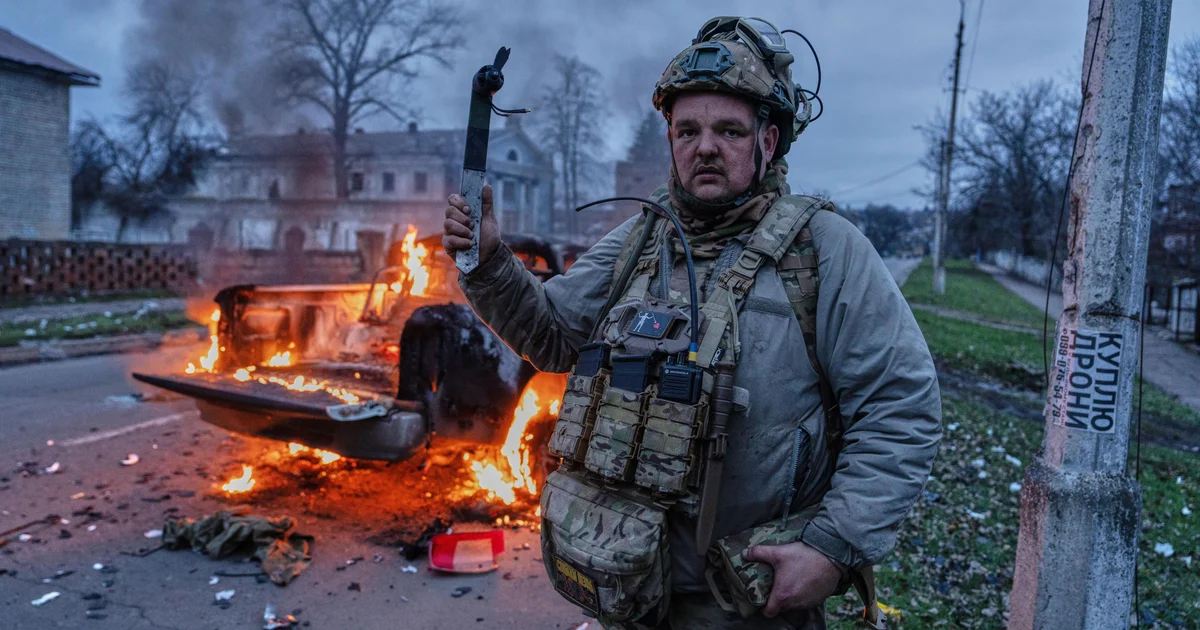

Recent Russian drone attacks have resulted in the deaths of at least ten civilians across Ukraine, according to various officials. This attack was met with claims from Russia that it downed a near-record number of Ukrainian drones overnight. The escalating situation highlights the intensifying conflict in the region, particularly affecting civilians caught in the crossfire.
| Article Subheadings |
|---|
| 1) Details of Civilian Casualties in Ukraine |
| 2) Russian Claims of Drone Destruction |
| 3) Impact on Infrastructure and Civilians |
| 4) Military Responses and Tactical Maneuvers |
| 5) The Wider Implications for the Conflict |
Details of Civilian Casualties in Ukraine
On a somber Saturday, the State Emergency Service of Ukraine confirmed that at least ten civilians lost their lives due to drone strikes attributed to Russian forces. Among the tragic incidents, seven individuals were killed, and seven more injured by a targeted attack on a business facility in Nizhyn, located in the northern Chernihiv region of Ukraine. This highlighted the indiscriminate nature of the violence, as civilians continue to suffer amidst the escalating conflict.
In the capital city, Kyiv, local authorities reported the death of a woman and injuries to at least four other individuals as a result of the attacks. These civilian casualties raise concerns about the ongoing safety of residents in urban areas that are increasingly targeted in military operations. Furthermore, in regions of Ukraine currently under Russian occupation, reports indicate that a nurse and a driver lost their lives, and two others were injured, when a Ukrainian drone engaged a hospital vehicle in the southern Zaporizhzhia region.
Zaporizhzhia itself represents a focal point of contention, as it is one of four Ukrainian territories that Russia has formally annexed but does not fully control. This context of civilian loss underscores the urgent necessity for diplomatic interventions and humanitarian considerations as the conflict continues to rage on without a clear resolution in sight.
Russian Claims of Drone Destruction
On the same day, Russian officials were quick to announce that their forces had successfully shot down a staggering 1,246 Ukrainian drones overnight, marking one of the highest numbers reported since the commencement of military operations. The Russian Defense Ministry did not specify how many drones were launched overall or the efficacy of their defenses in repelling attacks. However, the sheer volume of drones reportedly intercepted does paint a picture of an intense aerial battle taking place in the region.
The Mayor of Moscow, Sergei Sobyanin, informed the public that 123 Ukrainian drones were downed while approaching the capital’s vicinity, highlighting the threat these unmanned aerial vehicles pose even in Russia itself. Furthermore, reports indicated that a total of 462 drones had approached the greater Moscow area since Friday evening, with most subjected to countermeasures.
Additionally, in a notable incident over Russia’s southern Rostov region, more than 50 drones were claimed to be intercepted, which included sightings over the oil refinery town of Novoshakhtinsk. While specific impacts remained unclear, some reports pointed to damages where drones allegedly struck the refinery, igniting a substantial fire. Such developments raise alarms not only for military strategists but also for citizens whose livelihoods depend on these industrial sectors.
Impact on Infrastructure and Civilians
The repercussions of the drone encounters extend significantly beyond immediate military concerns, reaching deep into civilian infrastructures. In Ukraine, air defense systems reportedly managed to destroy or neutralize 141 out of 162 Russian drones that were launched, demonstrating a level of resilience within Ukrainian defense operations. However, civilian casualties continued to mount, particularly in places like Bila Tserkva near Kyiv, where three individuals were wounded during a Russian offensive targeting critical infrastructure.
The situation escalated further when a combined heat and power plant in Bila Tserkva sustained strikes on Saturday afternoon, as reported by the Russian Defense Ministry, along with an electrical substation in Kyiv. Interestingly, the Mayor of Kyiv, Vitali Klitschko, reported that a “critical infrastructure facility” had been hit, raising concerns about potential power outages and water supply disruptions amid winter’s approach.
The ongoing Russian strategy of attacking Ukraine’s power grid, substations, and overhead power lines has been criticized as a method aimed at debilitating civilian life, depriving citizens of essential utilities that could compound difficulties during the colder months. While Ukraine continues to retaliate using its domestically produced long-range weapons, the humanitarian implications are alarming and call for urgent international intervention.
Military Responses and Tactical Maneuvers
As the conflict escalates on the ground and in the skies, Ukraine continues to leverage its strategic capabilities to launch counterattacks against Russian positions. Recently, Ukraine utilized long-range weaponry to strike key targets within Russian territory, showcasing its operational range and determination to push back against invading forces. Reports indicated that Ukrainian forces even targeted a Russian naval vessel stationed at a port in Libya using sea drones, illustrating the transnational scope of current military strategies.
This growing misuse of drones on both sides has created a complex battlefield environment. As Ukraine employs these tactics to hit operational nodes in Russian territory, its forces remain on high alert for retaliatory attacks, which complicates military logistics for both parties. The ability to neutralize airborne threats is becoming increasingly pivotal in shaping the broader strategies of engagement.
Ongoing military maneuvers also reflect a propensity for adapting tactics in real-time, as both sides seek to maximize their operational effectiveness while minimizing losses. The reported interception of a substantial number of drones by both Russian and Ukrainian forces indicates that aerial warfare is central to modern combat strategies and will likely continue to define the conflict as it unfolds.
The Wider Implications for the Conflict
The latest clashes underscore a deteriorating humanitarian situation in Ukraine, with civilian populations still bearing the brunt of military confrontations. As aerial warfare becomes more prevalent, calls for peace negotiations and ceasefire agreements are likely to intensify both domestically and internationally. The reported civilian casualties and infrastructure damage compel humanitarian organizations to call for urgent assistance and protection of civilians caught in the crossfire.
The ongoing cycle of violence also raises questions about the sustainability of military actions on both sides. As more resources are devoted to aerial assaults and counter-offensives, the potential for long-term conflict becomes more pronounced. Consequently, it calls into question the future stability of the region and what steps can be taken to mitigate humanitarian suffering and pave the way for peace.
Furthermore, the geopolitical ramifications of the conflict reverberate beyond Ukraine’s borders, influencing regional security dynamics and international responses from government entities and global organizations. As the situation evolves, both the need for comprehensive resource management to support civilian relief efforts and strategic dialogue among stakeholders remains paramount.
| No. | Key Points |
|---|---|
| 1 | At least ten civilians have died in recent Russian drone attacks across Ukraine. |
| 2 | Russia claims to have shot down 1,246 Ukrainian drones, marking a record high in interceptions. |
| 3 | Civilian infrastructure, including power plants, is increasingly targeted, raising humanitarian concerns. |
| 4 | Ukraine responds with long-range attacks, revealing tactical shifts in its military strategy. |
| 5 | The conflict’s humanitarian implications necessitate international awareness and action. |
Summary
The recent intensification of Russian drone attacks on Ukraine has further escalated an already volatile situation, with significant civilian casualties and damage to critical infrastructure. Both military operations and civilian life are severely impacted as aerial warfare technology shapes the conflict. The regional implications extend beyond immediate military concerns, raising the urgent need for humanitarian intervention and diplomatic engagements to curb further escalation and alleviate human suffering.
Frequently Asked Questions
Question: What happened during the recent drone attacks in Ukraine?
Recent drone attacks from Russian forces resulted in at least ten civilian fatalities across various regions in Ukraine, escalating concerns about the ongoing conflict and its impact on civilian life.
Question: How is Ukraine responding to these military actions?
Ukraine has been actively using long-range weaponry to retaliate against Russian positions and has claimed successful strikes on a Russian naval vessel, showing significant military resilience.
Question: What are the humanitarian implications of the ongoing conflict?
The escalation of attacks highlights severe humanitarian challenges, as critical infrastructure has been targeted, further jeopardizing the safety and well-being of civilian populations during winter.
