

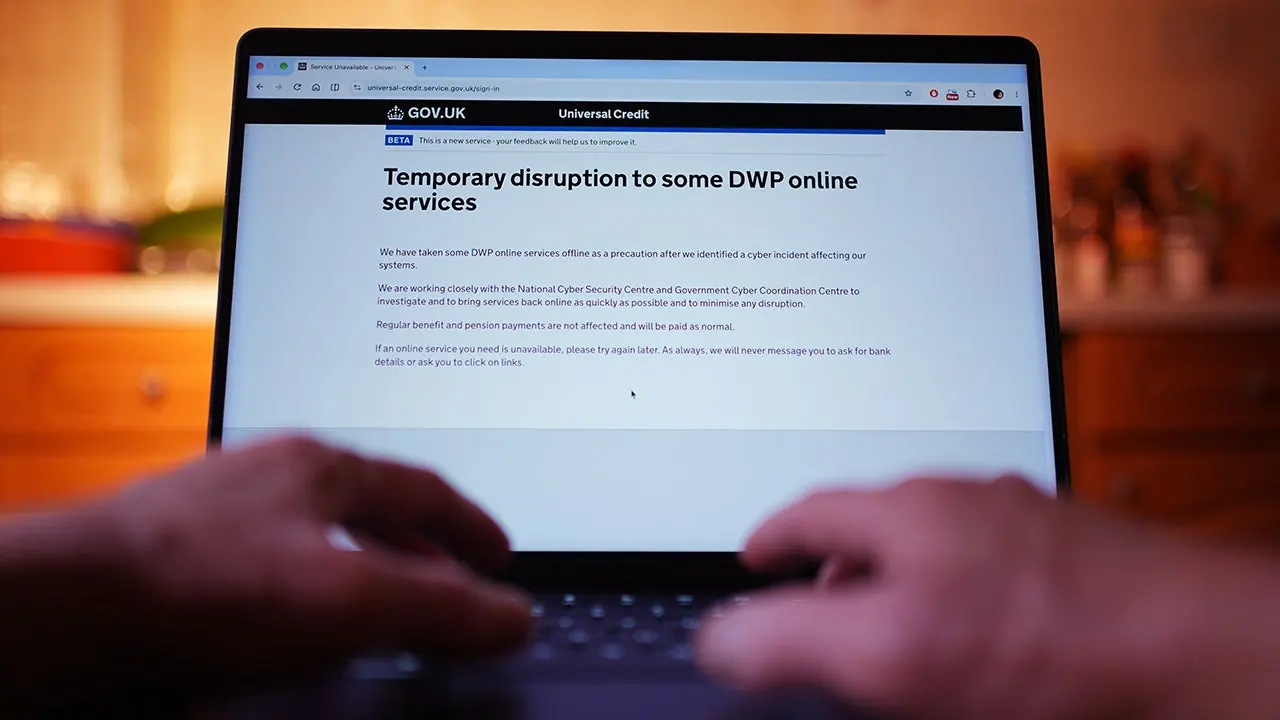

In a significant cybersecurity incident, the British government announced that its Department for Work and Pensions (DWP) experienced a cyberattack this week, prompting the department to take certain systems offline as a safety measure. While authorities confirmed there is currently no evidence of compromised personal information, the attack has raised concerns about the vulnerabilities facing various government agencies amid a recent wave of high-profile technical outages. DWP continues to ensure that pension and benefit payments are processed normally, and they are collaborating with the National Cyber Security Centre to investigate the incident.
| Article Subheadings |
|---|
| 1) Cyberattack Targets DWP: Initial Findings |
| 2) Incident Response: Actions Taken by Authorities |
| 3) The Broader Impact of Cyber Threats on Government Services |
| 4) Public Assurance: Payments and Security Measures |
| 5) Future Implications: Strengthening Cybersecurity Posture |
Cyberattack Targets DWP: Initial Findings
The cyberattack on the Department for Work and Pensions was first detected late Thursday evening. Senior officials quickly recognized the need to act and commenced a full assessment of the incident. The DWP plays a critical role in managing essential payments for millions of retirees and those receiving welfare support in the United Kingdom. The department’s swift detection of the anomaly is indicative of a proactive approach towards cybersecurity, though it also highlights the increasing sophistication of cyber threats aimed at governmental institutions.
At this point, there is no indication that the breach resulted in any loss or theft of personal data. Government sources stated that the potential for unauthorized access to sensitive information is under thorough investigation, and the department is working in collaboration with the National Cyber Security Centre to determine the attack’s origin and nature. Such measures are crucial to understanding the full scope of the incident and its implications for national security.
Incident Response: Actions Taken by Authorities
In the aftermath of detecting the cyberattack, the DWP immediately implemented measures to secure its systems. This involved pulling some systems offline temporarily to mitigate any further risks while assessing the full impact of the security breach. Pat McFadden, the Secretary of State for Work and Pensions, emphasized the importance of protecting the public in circumstances such as these, stating, “We did the right thing by taking those systems offline because the top priority in these circumstances is to protect the public.”
Government officials assured the public that normal operations would resume once the threat was adequately addressed. They are also conducting a comprehensive investigation into how the attack breached their defenses and what vulnerabilities may need to be addressed to prevent future incursions. This moment serves as a critical reminder of the constant need for vigilance in cybersecurity practices across all sectors, especially those handling sensitive information.
The Broader Impact of Cyber Threats on Government Services
The recent cyberattack on the DWP is not an isolated incident but rather part of a troubling trend affecting government services on both sides of the Atlantic. Just prior to this attack, several U.S. federal agencies, including the FBI and CIA, faced their own cybersecurity challenges, leading to a broader conversation about cyber defenses and capabilities in the public sector. Cybersecurity experts have pointed to an alarming rise in attacks targeting essential services, with many advocating for increased funding and resources to bolster defenses against evolving threats.
Beyond immediate service disruptions, these attacks can have far-reaching consequences for public trust in government operations. As the DWP’s investigation unfolds, officials are expected to prepare updates to the public regarding the situation and what steps are being taken to restore confidence in the robustness of their security protocols.
Public Assurance: Payments and Security Measures
Despite the disruption caused by the cyberattack, the DWP confirmed that pension and benefits payments are being processed without interruption. Officials have reassured the public that payments are cleared several days in advance, reducing the potential impact on recipients who rely on these payments for their daily necessities. The department handles approximately 2.5 million payments each day, highlighting the scale and responsibility it carries.
In statements shared via social media channels, officials have been open about the incident’s nature, attempting to alleviate public concern amid anxieties surrounding digital privacy and security vulnerabilities. Being transparent in their response can help build trust in how the government responds to cybersecurity threats and ensures continued support for those affected.
Future Implications: Strengthening Cybersecurity Posture
The recent cyberattack serves as a wake-up call for governments worldwide regarding their cybersecurity preparedness. As technology advances and more systems rely on interconnected networks, the risk associated with cyberattacks only escalates. The DWP’s current investigation will undoubtedly lead to new evaluations of their cybersecurity protocols and potentially inspire similar reviews across various government branches.
Government officials may be compelled to allocate additional resources towards developing best practices and establishing more resilient systems to withstand future cyber threats. Stakeholders, including cybersecurity firms and civil service leaders, are likely to play a critical role in shaping effective strategies that not only protect sensitive data but also foster a robust cybersecurity culture within governmental institutions.
| No. | Key Points |
|---|---|
| 1 | The Department for Work and Pensions experienced a cyberattack, causing them to take some systems offline. |
| 2 | There is currently no evidence of compromised personal data or affected payments. |
| 3 | The incident emphasizes the rising threat level of cyberattacks against government agencies globally. |
| 4 | Government officials are assuring the public that normal payments are being processed without delays. |
| 5 | The incident may lead to heightened scrutiny and improvement of cybersecurity measures across various sectors. |
Summary
The recent cyberattack on the Department for Work and Pensions underscores the vulnerabilities faced by governmental agencies in an increasingly digital world. While immediate threats appear to have been contained and payments remain unaffected, the incident highlights the need for continuous improvements in cybersecurity measures and strategies. Moving forward, both public institutions and the communities they serve must remain vigilant and proactive in addressing the growing challenges posed by cyber threats.
Frequently Asked Questions
Question: What led to the cyberattack on the Department for Work and Pensions?
The cyberattack was identified by department officials during routine monitoring of their systems, prompting immediate action to secure sensitive information.
Question: How has the government responded to the incident?
The Department for Work and Pensions has worked with national cybersecurity agencies to investigate the incident and take steps to secure its systems by temporarily pulling some services offline.
Question: Are personal data and government services affected by the cyberattack?
Currently, the authorities have indicated that there is no evidence of compromised personal data or disrupted services, and pension payments continue as scheduled.
