

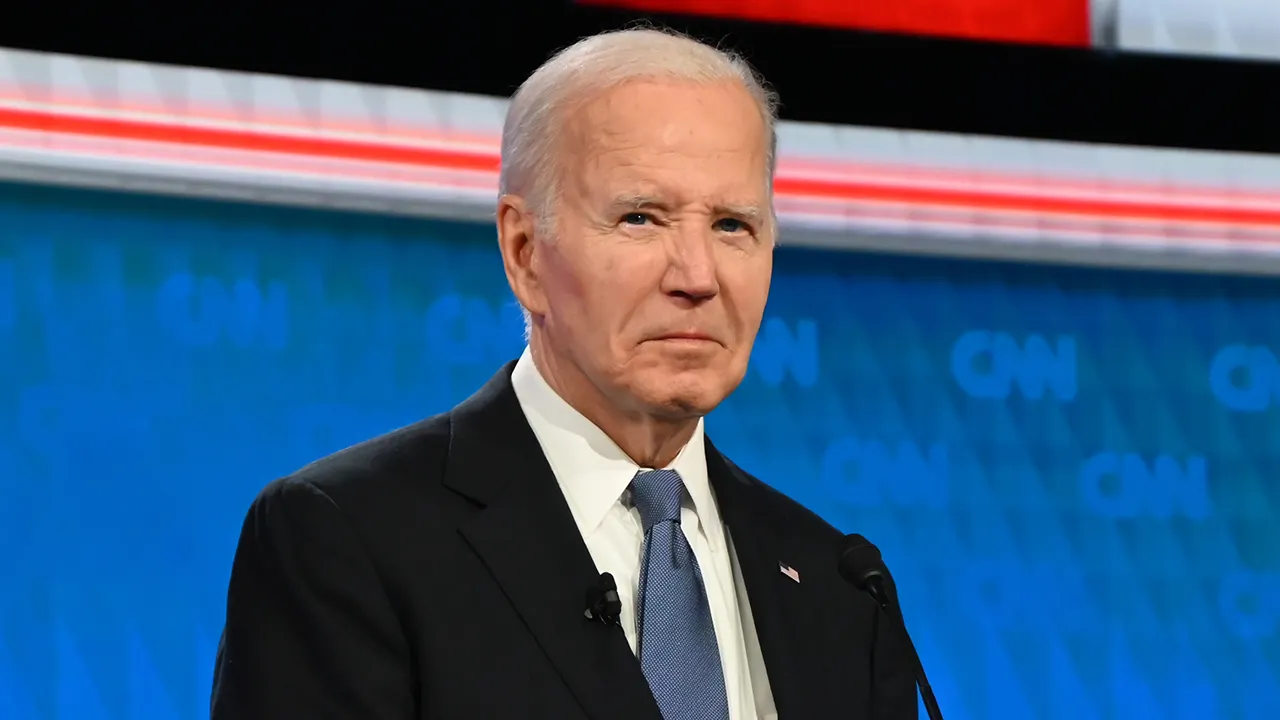

Former President Joe Biden has recently ignited controversy by downplaying his performance in the 2024 presidential debate against incumbent President Donald Trump, which many observers deemed disastrous. In a forthcoming interview with a popular magazine, Biden referred to the debate as “not very consequential,” a remark that has sparked widespread criticism across social media platforms. This reflection comes just three weeks before he ultimately dropped out of his re-election campaign, raising questions about the significance of the debate and its impact on his political future.
| Article Subheadings |
|---|
| 1) Biden’s Dismissal of Debate Impact |
| 2) Public and Political Reactions |
| 3) Jill Biden’s Concerns During the Debate |
| 4) The Fallout of the Debate |
| 5) Biden’s Upcoming Memoir and Health Update |
Biden’s Dismissal of Debate Impact
In a recent interview with a magazine, Joe Biden expressed a nonchalant attitude regarding his performance during the June 27, 2024 debate against Donald Trump. When asked about his thoughts on the debate, he stated, “Look, I don’t know anybody who hasn’t made a mistake in a debate. To me, it was not very consequential.” This assertion has raised eyebrows, primarily because just weeks later, he ended his own presidential campaign, suggesting that the debate may have played a far more pivotal role than he is willing to acknowledge.
Biden seemed to believe that he had another opportunity in the debate format that never materialized, leading him to deem the event less impactful. He elaborated, saying, “But notwithstanding the fact that there wasn’t another debate, it didn’t disturb me because it wasn’t consequential.” This perspective has left many questioning whether he is genuinely unaware of how his performance was perceived or if he is attempting to minimize the debate’s significance to mitigate negative fallout.
Public and Political Reactions
Biden’s comments were met with immediate and extensive backlash on social media. Critics swiftly pointed out the apparent disconnect between his perception and that of the general public and political commentators. Prominent figures, including former Trump campaign operative Steve Cortes, remarked that Biden’s characterization of the debate as inconsequential was delusional, given that it precipitated his withdrawal from the race just 24 days later. Cortes emphasized the gravity of the situation, saying, “Just 24 days after the ‘not very consequential’ presidential debate, Joe Biden ended his campaign for President.”
Moreover, conservative commentator Steve Guest joined in the chorus of criticism, branding Biden as completely out of touch with reality. Matthew Whitlock, a former adviser, went on to assert that the debate was, in fact, the “most consequential” in history, claiming Biden might have remained a viable candidate if not for the debate’s disastrous outcome. Florida Governor Ron DeSantis humorously remarked on the debate’s apparent lopsidedness, reinforcing the narrative that Biden’s performance did not meet the demands of an effective premier debate exchange.
Jill Biden’s Concerns During the Debate
The scrutiny surrounding Biden’s debate performance escalated when his wife, Jill Biden, revealed her own fears for her husband’s well-being during the event. In an interview clip set to air on a news program, she disclosed her apprehension, articulating that she thought he was having a stroke as she observed his performance from the audience. This overwhelming sentiment among viewers possibly contributed to the immediate concern for Biden’s health. His erratic speech patterns, moments of confusion, and noticeably lengthy pauses were alarming to many, raising serious questions about his readiness for the presidency.
Jill Biden’s statements have further fueled the narrative that the debate could be viewed as not only a political misstep but also a personal crisis for the couple. By sharing her perspective, she humanized the ordeal, making it clear that the stakes were much higher than just political performance. These revelations have opened the door for discussions surrounding the health of aging politicians, especially as they navigate the high-pressure environment of national leadership.
The Fallout of the Debate
In the aftermath of the debate, Biden’s political fate was rapidly cascading toward uncertainty. Mounting pressure from his Democratic allies forced him to reconsider his position in the presidential race. The decision to withdraw on July 21, 2024, came as no surprise to observers who noted the seismic effects of the debate. The Democratic establishment, recognizing that the party needed viable alternatives heading into an election year, rallied support for other potential candidates, making it abundantly clear that Biden’s time was up.
Biden’s withdrawal not only marked a significant career change for him but also served as a critical juncture for Democratic electoral strategy. The ramifications of his debate performance and subsequent departure have left questions about the future direction of the Democratic Party as they enter the 2024 elections without a clear frontrunner. The party must now regroup and solidify their base to ensure they do not lose the momentum gained in prior elections.
Biden’s Upcoming Memoir and Health Update
Despite the public and political chaos resulting from his debate performance, Biden remains focused on personal projects, particularly his upcoming memoir titled “Promise Me, America.” He announced the memoir’s release date, November 17, 2024, through social media, expressing hope that readers would find value in reflecting on his experiences as president, the challenges he faced, and the decisions he made.
Biden mentioned that during the writing process, he received a cancer diagnosis. In a heartfelt message to supporters, he acknowledged the struggles he has faced, stating, “While writing the book, I was diagnosed with cancer, a disease known all too well to millions of Americans and their families.” His focus on positive recovery and ongoing response to treatment underscores both his resilience and the human experience behind the political facade. These personal narratives may serve to endear him to constituents who resonate with his struggles even amid professional turmoil.
| No. | Key Points |
|---|---|
| 1 | Biden referred to his debate performance as “not very consequential.” |
| 2 | Public backlash against Biden’s dismissal of the debate’s impact. |
| 3 | Jill Biden expressed concern that her husband might have suffered a stroke during the debate. |
| 4 | Biden withdrew from the presidential race less than a month after the debate. |
| 5 | Biden is releasing a memoir while managing a cancer diagnosis. |
Summary
The controversy surrounding Biden’s comments on his 2024 debate performance highlights the complex and often unforgiving nature of political discourse. His dismissal of the debate’s significance, juxtaposed with Jill Biden’s health concerns and the subsequent withdrawals from the race, paints a picture of a tumultuous chapter in his political career. As he prepares for his memoir’s release, Biden persists in providing insights into his experiences, shaping the narrative around his presidency while confronting new personal challenges. The impacts of the debate will resonate not just for Biden but also within the broader political landscape as the Democratic Party seeks to redefine its path forward.
Frequently Asked Questions
Question: What was Joe Biden’s main reflection on his debate performance?
Joe Biden described his performance as “not very consequential,” downplaying the significance of the debate in the broader context of his presidential campaign.
Question: How did Jill Biden react during the debate?
Jill Biden revealed that she feared for her husband’s health during the debate, thinking at one point that he might be having a stroke as he struggled with his words and visibly appeared confused.
Question: What consequence did Biden face after the debate?
Biden withdrew from the 2024 presidential race just 24 days after the debate, influenced by mounting pressure from Democratic allies amid a negative public reception of his performance.
