

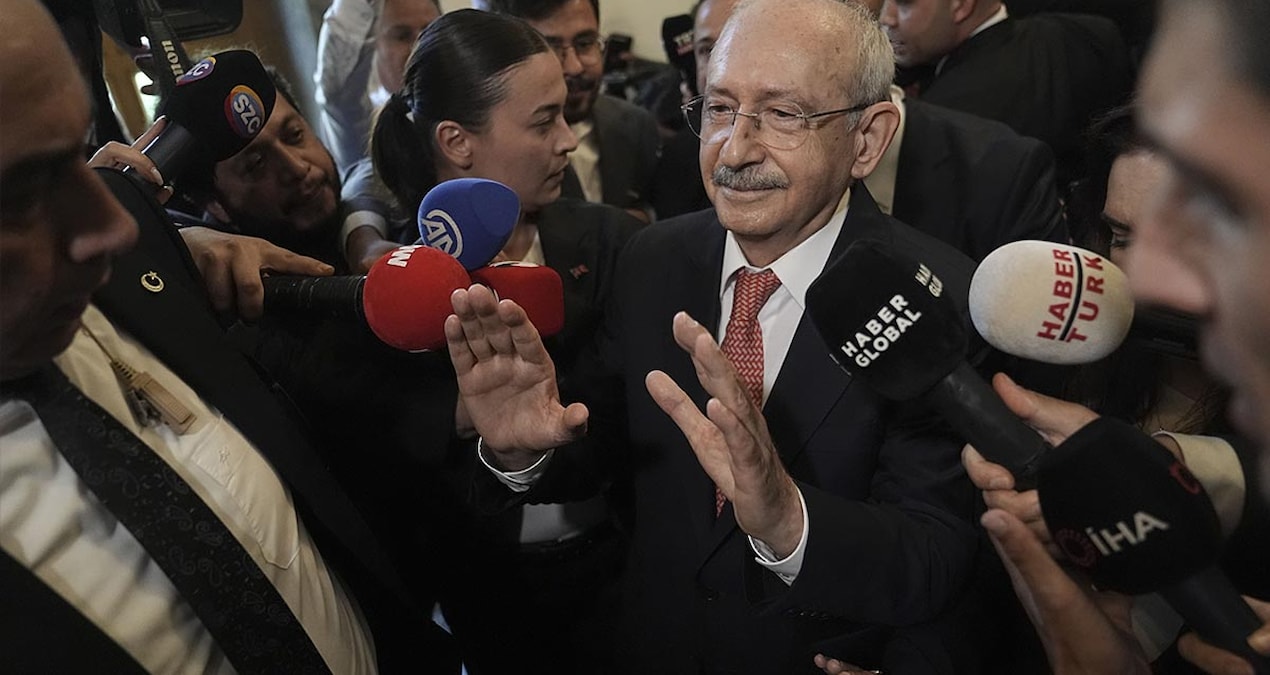

In a significant political development, the number of summaries prepared for the potential removal of parliamentary immunity from New Party Chairman Özgür Özel has reached 62. This growing number indicates an escalating pressure from various political factions, particularly as the New Party leadership acknowledges the complexities surrounding the immunity lifting process. While officials from the New Party suggest that removing Özel‘s immunity may prove difficult, the Republican People’s Party (CHP) takes a contrasting stance, advocating prompt action regarding accumulated summaries against parliamentary members.
| Article Subheadings |
|---|
| 1) Current Status of Immunity Summaries |
| 2) CHP’s Position on Immunity Policies |
| 3) Electoral Implications of Lifting Immunity |
| 4) The Legal Framework of Parliamentary Immunity |
| 5) Public Perception and Political Consequences |
Current Status of Immunity Summaries
As of now, 62 summaries of proceedings are on record concerning Özgür Özel. This substantial accumulation of legal documents illustrates a concerted effort to potentially remove his parliamentary immunity, a privilege that allows lawmakers to speak freely without fear of legal repercussions during their tenure. The New Party has been closely monitoring these developments, with party officials indicating that they foresee significant challenges in the process of lifting Özel‘s immunity. According to sources within the New Party, the sentiment is that “Özgür Özel’s immunity cannot be lifted,” suggesting that there may be reluctance among lawmakers to confront the implications of such an action.
CHP’s Position on Immunity Policies
In a contrasting viewpoint, officials from the CHP have come forward with a firm position regarding parliamentary immunity. Party leader Kemal Kılıçdaroğlu has expressed opposition to creating an expansive protection framework around parliamentary immunities, arguing that the legal safeguards should only apply to the actions and words spoken during parliamentary proceedings. This approach advocates reducing the scope of immunity, as CHP staff emphasized that being a member of parliament should not equate to a license to commit crimes. They have called for a swift and decisive process that does not keep pending investigations in limbo, stating, “Being a deputy does not give anyone the freedom to commit crimes. Everyone should be accountable.”
Electoral Implications of Lifting Immunity
The suggestion that a significant portion of CHP deputies would support lifting the immunities indicates a potential shift in the political landscape. Gathered from party discussions, there is a strong tendency expressed by party staff that if the summaries regarding Özgür Özel reach the Turkish Grand National Assembly’s General Assembly, many CHP members are poised to vote in favor of lifting his parliamentary immunity. Given the current composition of the CHP, which includes 45 deputies, this could have far-reaching ramifications for both the party and the broader political climate. The implications could stretch beyond just Özel, potentially influencing how other parliamentary members approach their conduct and interactions within the legislative framework.
The Legal Framework of Parliamentary Immunity
Parliamentary immunity holds a cornerstone role in the legislative process, designed to protect lawmakers from undue legal challenges while they perform their duties. However, this protection is not unlimited. The CHP’s call for a restriction of parliamentary immunity strictly to instances occurring within the parliament itself resonates with concerns about potential immunities being exploited. Legal experts suggest that accountability for public officials is crucial to maintaining democratic integrity. The ongoing discussion surrounding the lifting of Özgür Özel‘s immunity serves as a pivotal case study in assessing how these legal protections are applied and challenged.
Public Perception and Political Consequences
In light of the controversies surrounding Özgür Özel‘s immunity, public perception will play a vital role in the unfolding political narrative. Surveys and focus groups indicate that the electorate is increasingly favoring transparency and accountability among lawmakers. There is a palpable sentiment among constituents that those elected into office should not possess an all-encompassing shield from legal scrutiny. The outcome of the ongoing debates and any eventual decisions made in the Parliament could heavily impact the CHP’s reputation and electoral prospects as the political landscape continues to evolve in the face of growing public demands for integrity in governance.
| No. | Key Points |
|---|---|
| 1 | A total of 62 summaries for lifting Özgür Özel‘s parliamentary immunity have been filed. |
| 2 | The New Party indicates that removing his immunity may face significant challenges. |
| 3 | CHP leaders argue for a limited understanding of parliamentary immunity. |
| 4 | Electoral trends within the CHP suggest a readiness to support lifting immunities in the Assembly. |
| 5 | Public sentiment is increasingly in favor of legal accountability for lawmakers. |
Summary
The current discourse surrounding the potential lifting of parliamentary immunity against Özgür Özel reflects broader themes of accountability and transparency within the political arena. As the New Party grapples with internal and external pressures, the contrasting stance of the CHP highlights a pivotal moment in parliamentary dynamics. Observers will be keenly watching the proceedings as they unfold in the Turkish Grand National Assembly, with the outcome likely having far-reaching implications for political conduct and public trust.
Frequently Asked Questions
Question: What are parliamentary immunities?
Parliamentary immunities are legal protections granted to lawmakers, allowing them to perform their duties without fear of legal repercussions for statements made or actions taken in the course of their legislative responsibilities.
Question: Why is the immunity of Özgür Özel being challenged?
The removal of Özgür Özel‘s immunity is being considered due to numerous summaries of proceedings against him, suggesting potential legal accountability for actions outside parliamentary privileges.
Question: How does the CHP view parliamentary immunity?
The CHP believes that parliamentary immunity should be limited to actions within parliament and that lawmakers should remain accountable for any criminal activities, reinforcing the principle that public office does not equate to legal impunity.
