

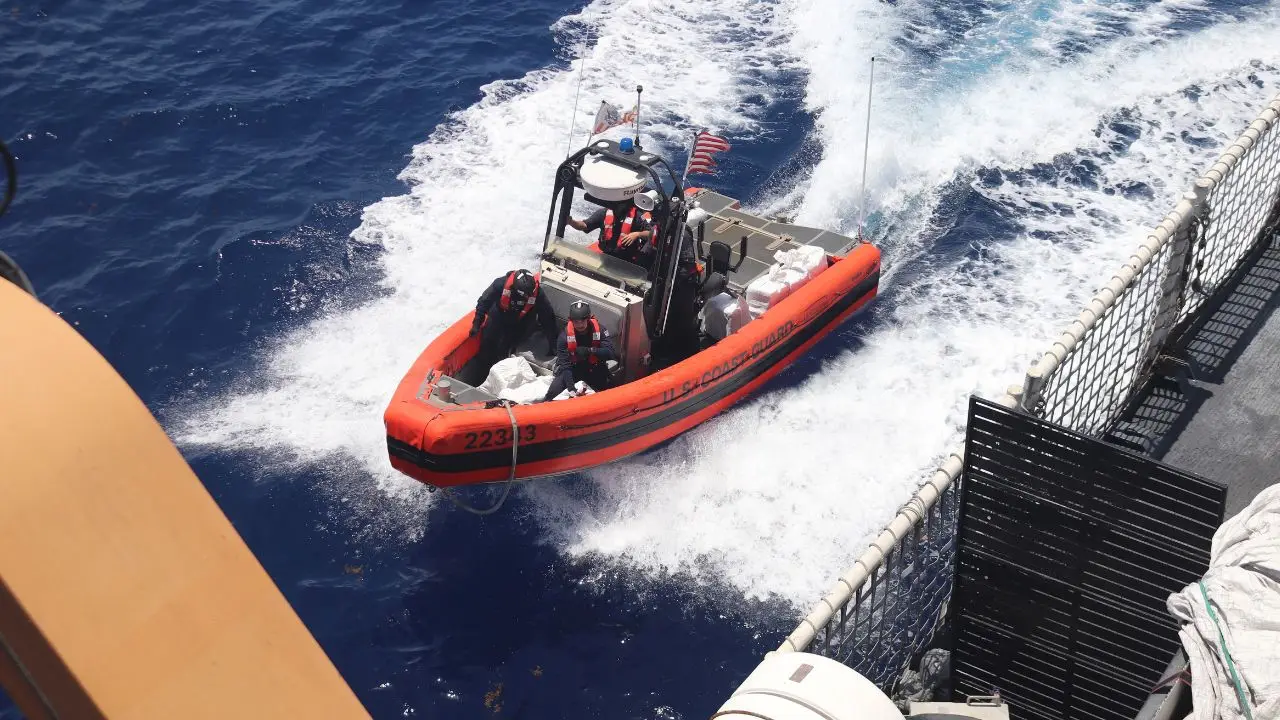

In a significant operation aimed at bolstering maritime cybersecurity, the U.S. Coast Guard deployed specialized teams to board two foreign-flagged commercial vessels suspected of being compromised by foreign cyber actors. These operations, which took place in August 2023, occurred in the Gulf of America and were executed in coordination with other federal agencies, including the FBI. As cyberattacks on maritime vessels continue to rise, the Coast Guard aims to ensure the safety and security of America’s vital shipping routes and economic interests.
| Article Subheadings |
|---|
| 1) Background of the Operations |
| 2) Key Details of the Boarding |
| 3) The Cybersecurity Threat Landscape |
| 4) Responses and Measures Taken |
| 5) Conclusion and Future Implications |
Background of the Operations
The mission conducted by the U.S. Coast Guard in August highlights the increasing importance of cybersecurity in maritime operations, particularly given the vulnerabilities associated with interconnected systems on ships. The operations took place on August 21 and August 24 in the Gulf of America and were initiated after intelligence indicated that the networks of the two vessels had been attacked or compromised.
Multiple federal agencies were involved in these operations, underscoring the collaborative efforts required to address such threats effectively. The ongoing geopolitical tensions have heightened the likelihood of cyberattacks emanating from foreign entities targeting critical infrastructure, including maritime shipping. As such, the proactive stance taken by the Coast Guard reflects a growing recognition that the safety of maritime operations is as much about cybersecurity as it is about traditional physical security challenges.
Key Details of the Boarding
On August 21, the Coast Guard boarded the first of the two vessels in a tactically coordinated effort involving specialized teams including Coast Guard Cyber Protection members, FBI Cyber Action Team operators, and vessel inspectors. The boarding was not only a security check but a detailed investigation into the suspected cybersecurity breach that could potentially endanger both the ship and the safety of its crew.
The spokesperson for the Coast Guard detailed how the crew, including the captain and corporate staff, played a critical role in this operation. They were able to swiftly assist Coast Guard personnel in mitigating potential threats, illustrating the importance of crew training and readiness in such situations. A similar operation took place on August 24 aboard the second vessel, effectively repeating the coordinated investigation effort.
The Cybersecurity Threat Landscape
Cybersecurity threats targeted at maritime vessels have become increasingly common. The reports suggest that attackers may have exploited software vulnerabilities in widely used networking equipment. In particular, Fortinet’s equipment was highlighted as being potentially compromised, prompting urgent action from U.S. authorities.
Officials expressed concerns over numerous threats posed to maritime vessels, with up to 50 ships reportedly being targeted. The context for these threats is aligned with a series of attacks that have been attributed to foreign state actors, particularly in light of global political tensions. The severity of the situation is underlined by reports of a ransom letter addressed to the captain of a Liberian-flagged supertanker, which ominously described their operation as a “planned execution.”
Responses and Measures Taken
Since the operations, the U.S. Coast Guard has assured that no operational disruptions or threats to crew safety were reported. They emphasized their commitment to maintaining safe and secure maritime transit by coordinating with various stakeholders including port operators and vessel owners. This collaborative approach is part of their broader strategy to support safe and uninterrupted shipping operations in and out of U.S. ports.
Moreover, the Coast Guard urged all maritime stakeholders to prioritize cybersecurity. They highlighted that cyber risk management should be integrated into regular safety protocols, akin to monitoring physical hazards or environmental threats. “While confirmed cyber disruptions in the maritime domain remain uncommon, even isolated technical issues can cause avoidable commercial delays,” noted the Coast Guard spokesperson, pointing to the need for vigilance in cybersecurity practices.
Conclusion and Future Implications
The operations conducted by the Coast Guard serve as a crucial reminder of the necessity to integrate cybersecurity into national security protocols. As cyber threats continue to morph and evolve, the maritime industry — a vital artery for global trade — must adapt accordingly. The joint efforts of various federal agencies in responding to these threats reflect increased awareness of the interconnected nature of today’s challenges.
Moving forward, industry stakeholders are likely to bolster their cybersecurity measures, investing in technologies and training aimed at preventing cyberattacks. The Coast Guard’s comprehensive approach will be instrumental in shaping policies and procedures that ensure maritime security continues to evolve in tandem with the risks presented in a digital age.
| No. | Key Points |
|---|---|
| 1 | The U.S. Coast Guard boarded two foreign-flagged vessels suspected of being hacked by foreign cyber actors. |
| 2 | This operation highlights the increasing focus on cybersecurity within maritime operations. |
| 3 | The operations took place in coordination with the FBI and other federal cybersecurity teams. |
| 4 | Threats to as many as 50 vessels have raised significant alarm among U.S. authorities. |
| 5 | The Coast Guard emphasized the need for ongoing cybersecurity awareness among all maritime stakeholders. |
Summary
The U.S. Coast Guard’s recent boarding operations illustrate the growing interplay between maritime operations and cybersecurity. As attacks targeting shipping vessels become more sophisticated, proactive measures taken by the Coast Guard and other federal agencies are essential to protect national security. The emphasis on collaboration and preparedness across the maritime industry is critical for safeguarding the operational integrity of one of the nation’s most vital economic infrastructures.
Frequently Asked Questions
Question: What were the reasons for boarding the vessels?
The vessels were boarded following intelligence reports indicating that their networks had been compromised by foreign cyber actors, necessitating urgent action to ensure their safety and maritime security.
Question: What agencies collaborated on this operation?
The U.S. Coast Guard collaborated with the FBI and other federal cybersecurity experts to execute the boarding operations and investigate the cybersecurity breaches.
Question: How prevalent are cyberattacks in the maritime sector?
While confirmed cyber disruptions are uncommon, the maritime sector has seen an increase in targeted cyberattacks, prompting heightened security measures and awareness among industry stakeholders.
