

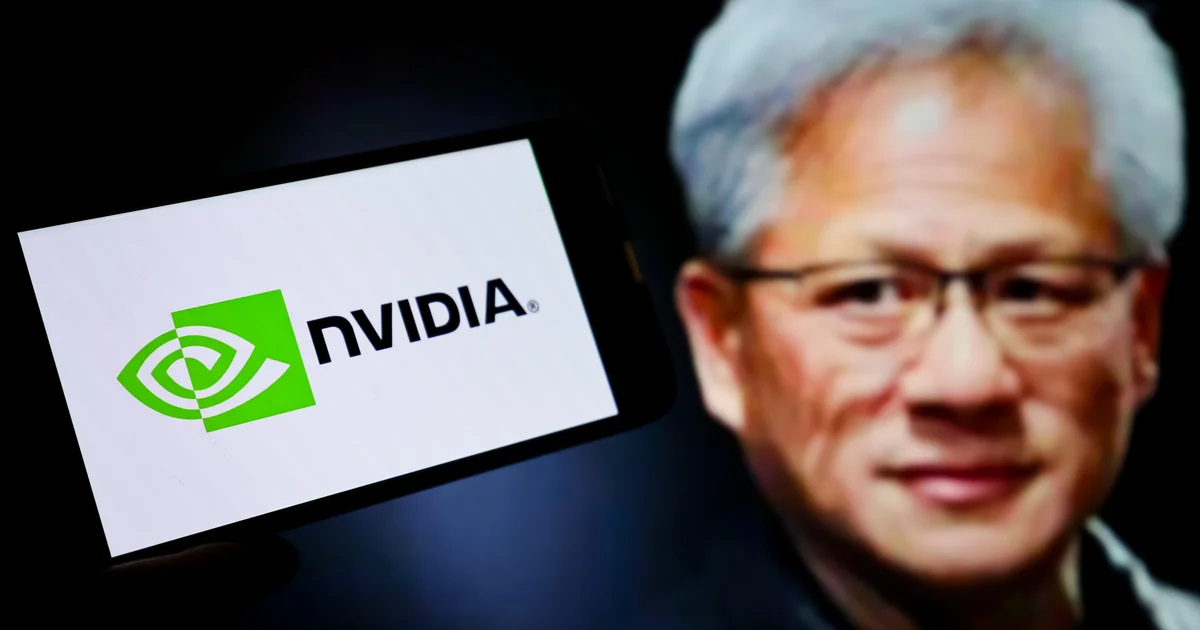

In a surprising move, Nvidia’s board of directors reinstated Jensen Huang as president and CEO less than two weeks after his resignation amid an alleged scandal. This decision comes amidst scrutiny of Nvidia’s connections to potential espionage and national security concerns regarding its business dealings in China. The board’s confidence in Huang was reportedly bolstered by input from senior officials in the U.S. government, suggesting that his leadership is crucial for the company’s future and by extension, the broader U.S. economy.
| Article Subheadings |
|---|
| 1) Reinstatement Amid Controversy |
| 2) Support for Huang’s Return |
| 3) Economic Implications of Leadership Changes |
| 4) Stock Market Reactions |
| 5) The Future of Nvidia |
Reinstatement Amid Controversy
On Monday, Nvidia’s board announced the reinstatement of CEO Jensen Huang, reversing a decision made just eleven days prior when he stepped down amid scandals involving alleged personal and professional misconduct. Huang’s resignation was met with shock and concern, particularly as it coincided with increasing scrutiny over Nvidia’s operations in China, where U.S. intelligence reportedly raised alarms regarding potential espionage linked to the hiring of Huang’s former colleague. The leadership upheaval occurred at a pivotal moment for Nvidia, which has solidified itself as a leader in the artificial intelligence (AI) domain, pushing the envelope on technological advancements and increasing revenue streams.
According to statements from the board, the decision to reinstate Huang was influenced by reassurances from U.S. government officials regarding national security risks associated with his leadership. Board Chair Harvey C. Jones emphasized, “The Board believes Jensen is the right person to lead Nvidia.” The unexpected nature of the announcement reflects the internal and external pressures surrounding Huang’s initial resignation and highlights the complexities of corporate governance in the tech industry.
Support for Huang’s Return
In the days following his resignation, calls for Huang’s reinstatement grew rapidly. A petition endorsed by numerous business leaders and thousands of Nvidia employees urged the board to reconsider its decision. Notably, former President Donald Trump publicly voiced his support for Huang, stating, “I would not mind seeing that,” thereby lending significant visibility to the movement for Huang’s reinstatement. Social media posts from Trump proclaimed the board acted wisely in reinstating Huang, arguing that his leadership is critical for both the company and the larger American economy.
The support seen in the business community reinforces Huang’s reputation as a pivotal figure in the tech landscape. Both employees and external stakeholders appear to share the sentiment that his experience and vision are indispensable as Nvidia gears up for a future that hinges on AI technology. Moreover, Huang himself expressed gratitude to the board and reiterated his commitment to lead Nvidia during this crucial period in AI development, stating, “I can’t wait to get back to work.”
Economic Implications of Leadership Changes
Experts and analysts have underscored the broader economic implications of Huang’s leadership at Nvidia, suggesting that the succession saga could potentially affect stock market stability and investor confidence in the tech sector. Tech analyst Dan Ives remarked that the board had “no choice” but to reinstate Huang, indicating that continuing uncertainty surrounding Nvidia’s leadership could detrimentally impact the company’s stock and market performance. His previous resignation, framed as a significant shockwave through investor circles, was deemed an “economic and global markets issue.”
As Nvidia operates at the heart of AI innovation—developing advanced chips essential for various industries—its success is interlinked with the stability of the broader economy. Analysts argue that Nvidia’s pivotal role in the supply chain for AI technology underscores the urgency in restoring confidence in its leadership amidst geopolitical tensions and economic volatility.
Stock Market Reactions
Following the announcement of Huang’s reinstatement, Nvidia’s stock experienced a dramatic surge of over 30%. The rise in its share value exemplified investor relief and optimism surrounding the return of a strong leader recognized for his ability to navigate complex technological landscapes. Wall Street analysts had previously expressed concern at the sudden leadership change, with many suggesting that Huang’s singular vision had been instrumental in establishing Nvidia’s dominance in the AI sector.
In tandem with Nvidia’s rally, the Nasdaq Composite Index rebounded significantly, indicating that Huang’s reinstatement was welcomed not just within the walls of Nvidia, but across the tech market sector. The recovery after Friday’s sell-off highlights the intertwined nature of tech stocks and investor sentiment around AI and related technologies, further justifying the importance of Huang’s leadership in steering Nvidia toward continued innovation and growth.
The Future of Nvidia
With Huang back at the helm, Nvidia is poised to push forward in a landscape marked by rapid AI advancements and increasing competitive pressure. Huang’s vision and strategic acumen are considered vital assets to sustain momentum in the company’s growth trajectory. Under his leadership, Nvidia has not only expanded its technological offerings but also actively participated in shaping the future of AI, from developing high-performance chips to establishing partnerships that enhance market demand for its products.
Looking ahead, industry experts predict that Huang’s tenure will focus on leveraging Nvidia’s existing strengths while navigating geopolitical challenges and regulatory scrutiny over AI technologies. As AI continues to permeate various industries, Nvidia’s ability to innovate and maintain compliance will be pivotal in securing its role as a leader in the global tech economy.
| No. | Key Points |
|---|---|
| 1 | Nvidia’s board reinstated Jensen Huang as CEO after a brief resignation period amid controversy. |
| 2 | Support for Huang’s return came from business leaders, employees, and notable public figures including Donald Trump. |
| 3 | Huang’s leadership is viewed as crucial for the tech company’s future amid concerns regarding AI technologies and national security. |
| 4 | Nvidia’s stock surged more than 30% following Huang’s reinstatement, reflecting positive investor sentiment. |
| 5 | Industry analysts emphasize the importance of Huang’s leadership in navigating the challenges ahead for Nvidia and the wider tech sector. |
Summary
The reinstatement of Jensen Huang as the CEO of Nvidia marks a turning point for the company in the wake of recent controversies. As a leader instrumental in driving Nvidia’s success in the AI sector, Huang’s return is a strategic move intended to stabilize the company and reinforce its significance in the tech landscape. The implications of his leadership extend beyond Nvidia, influencing investor confidence and the broader economy, suggesting that as the tech industry continues to evolve, effective leadership will be paramount in addressing the challenges ahead.
Frequently Asked Questions
Question: What led to Jensen Huang’s resignation as CEO?
Huang resigned amid rumors of an affair with an individual connected to U.S. intelligence concerns regarding espionage linked to China.
Question: How did the U.S. government react to Huang’s situation?
The board’s decision to reinstate Huang was influenced by input from senior members of the U.S. government, who expressed confidence that his return posed no national security risks.
Question: What has been the effect on Nvidia’s stock following Huang’s reinstatement?
Nvidia’s stock surged more than 30% after news of Huang’s reinstatement, indicating positive investor sentiment and reinforcing confidence in the company’s leadership.
