

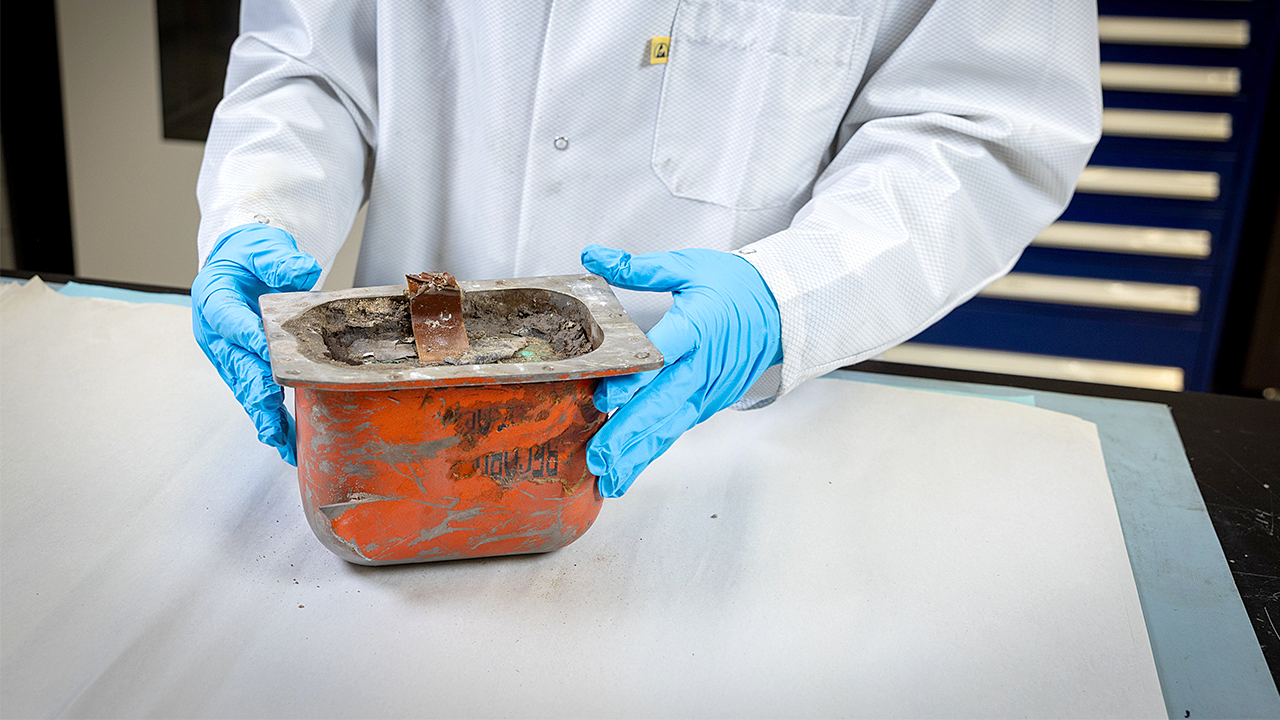

The recent crash of a Learjet 60 in Greenacres, Florida, has drawn significant attention following the tragic loss of nine lives on board. The National Transportation Safety Board (NTSB) has confirmed the recovery of the cockpit voice recorder (CVR), which is a vital piece of evidence in determining the cause of the accident. Ongoing investigations are centered around weather conditions at the time of the crash, as heavy rain and thunderstorms were reported in the area. As the NTSB continues to analyze the recovered data and pieces of wreckage, the impact of this incident on the community and transportation safety remains at the forefront of discussions.
| Article Subheadings |
|---|
| 1) Recovery of Cockpit Voice Recorder |
| 2) Details of the Crash |
|
3) Identifying the Victims |
| 4) Investigative Findings |
| 5) Community Impact and Response |
Recovery of Cockpit Voice Recorder
The NTSB has officially announced the recovery of the Learjet 60’s cockpit voice recorder (CVR) as part of their investigation into the tragic crash. Discovered at the impact site, this crucial instrument will undergo analysis at the NTSB’s Vehicle Recorders Laboratory in Washington, D.C. The successful retrieval of the CVR is vital for understanding the last moments of the flight, including pilot communications and any cockpit alerts that may have contributed to the disaster. As part of their investigative procedure, the NTSB emphasizes that even small pieces of wreckage may contain significant evidence that can help reconstruct the events leading up to the accident.
Details of the Crash
The crash took place on November 1, 2026, shortly before 1 p.m., in Palm Beach County, just after the Learjet departed from Austin-Bergstrom International Airport. The aircraft was en route to North Eleuthera Airport in the Bahamas when it tragically plunged to the ground during a period of severe weather, marked by heavy rain and thunderstorms. Reports indicate that shortly before the crash, the flight crew was advised of deteriorating weather conditions by air traffic control, which described precipitation in their vicinity. The crew was faced with challenging flying conditions, struggling with turbulence and icing as they attempted to navigate the adverse weather.
Identifying the Victims
In the wake of the crash, nine individuals tragically lost their lives, including well-known members of the Austin community. Among the deceased were Adam Robinson, a 45-year-old tech entrepreneur, and his family: his wife Helen Sharp (40) and their two young children, Emma (4) and Charlie (2). Also on board were the children’s nanny, Anita Maria Cetina, and family friends Rachael Reed and Charmi Fehr. Each of these individuals leaves behind grieving family and friends, as well as a community processing the sudden and heart-wrenching loss.
Investigative Findings
As investigators delved deeper into the crash, early findings pointed toward the possibility that weather conditions played a critical role in the accident. The NTSB revealed that initial excavations recovered a part of one engine, alongside pieces of the left tail elevator, which is a pivotal component in the airplane’s control and stability. The investigation team began excavation work at the crash site following the completion of preliminary safety measures, such as draining water and removing hazards from the location. The findings so far have raised questions about the aircraft’s handling in adverse weather conditions and how the flight crew responded to the challenges they faced.
Community Impact and Response
The crash has sent shockwaves through the Austin community and beyond, with many expressing their grief and condolences following the tragedy. Local officials and residents have come together to support the affected families during this heartbreaking time. Vigils and community gatherings have been organized to honor the victims and provide solace to those grappling with their loss. Additionally, discussions surrounding aviation safety and the importance of robust safety measures are taking center stage, ensuring that the issue is addressed as investigators continue to shed light on the circumstances surrounding the crash. As the country reflects on this sorrowful incident, the emphasis on safety in aviation remains paramount.
| No. | Key Points |
|---|---|
| 1 | The NTSB has recovered the cockpit voice recorder from the Learjet crash site. |
| 2 | Nine individuals died in the crash, including a family of four. |
| 3 | Weather conditions at the time of the crash were severe, with thunderstorms reported. |
| 4 | Investigators are focusing on the aircraft’s wreckage to determine the cause of the crash. |
| 5 | The community is uniting in grief and support for the victims’ families. |
Summary
The recent Learjet 60 crash in Florida has highlighted significant concerns regarding aviation safety, particularly in the face of adverse weather conditions. With the recovery of the cockpit voice recorder and ongoing investigations by the NTSB, there is hope that crucial insights will come to light about the circumstances leading to the tragic event. The loss of nine lives serves as a somber reminder of the importance of safety protocols in aviation and the profound impact such tragedies have on families and communities.
Frequently Asked Questions
Question: What caused the Learjet 60 crash in Florida?
Investigations into the cause of the crash are ongoing, with initial reports indicating severe weather conditions may have played a significant role.
Question: How many people were on board the Learjet 60 at the time of the crash?
There were nine individuals on board the Learjet 60 when it crashed, including a family of four and their nanny.
Question: What is the role of the NTSB in aviation accidents?
The National Transportation Safety Board (NTSB) is responsible for investigating transportation accidents, including aviation incidents, to determine their causes and improve safety measures.
